
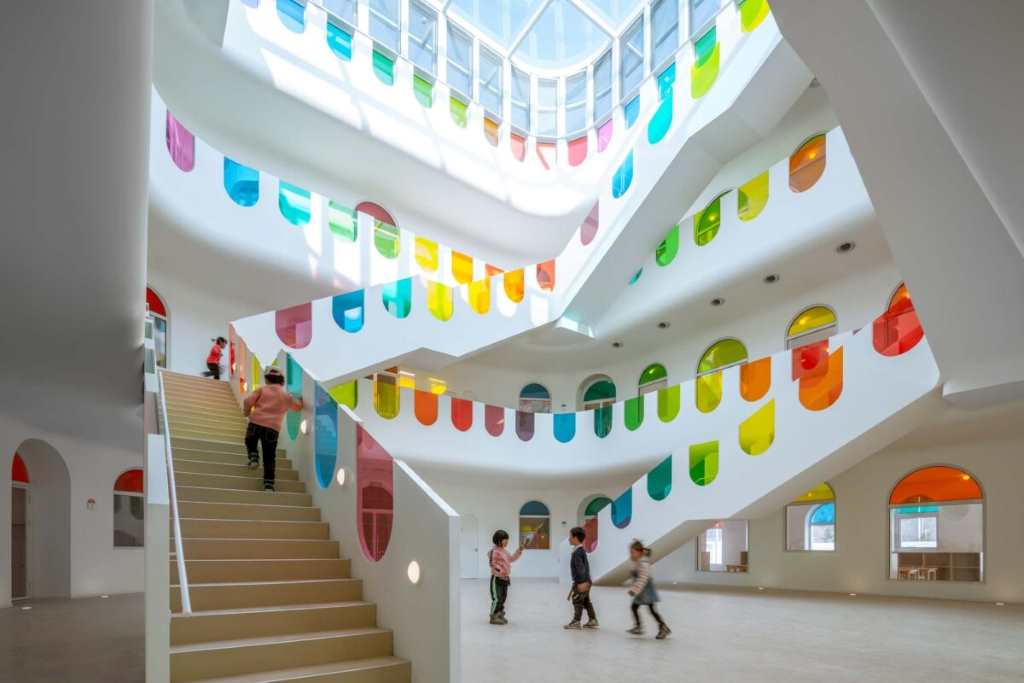
Schools are more than just places of learning; they are environments that shape young minds, foster creativity, and build community. The design of a school building plays a pivotal role in achieving these goals. A well-designed school can positively impact student well-being, academic performance, and overall school culture. Let’s delve into the key elements that make a school building truly exceptional.
1. Functionality and Flexibility
The cornerstone of any successful school design is its functionality. Classrooms should be well-lit, acoustically sound, and equipped with modern technology. Flexible spaces that can be adapted for various activities, such as group projects, presentations, or quiet study, are increasingly important in today’s educational landscape.
- Open Learning Spaces: These versatile areas encourage collaboration and interdisciplinary learning. They can be transformed into science labs, art studios, or performance spaces, depending on the need.
- Movable Furniture: Chairs, desks, and tables that can be easily rearranged allow for personalized learning experiences and cater to different teaching styles.
2. Natural Light and Outdoor Connections
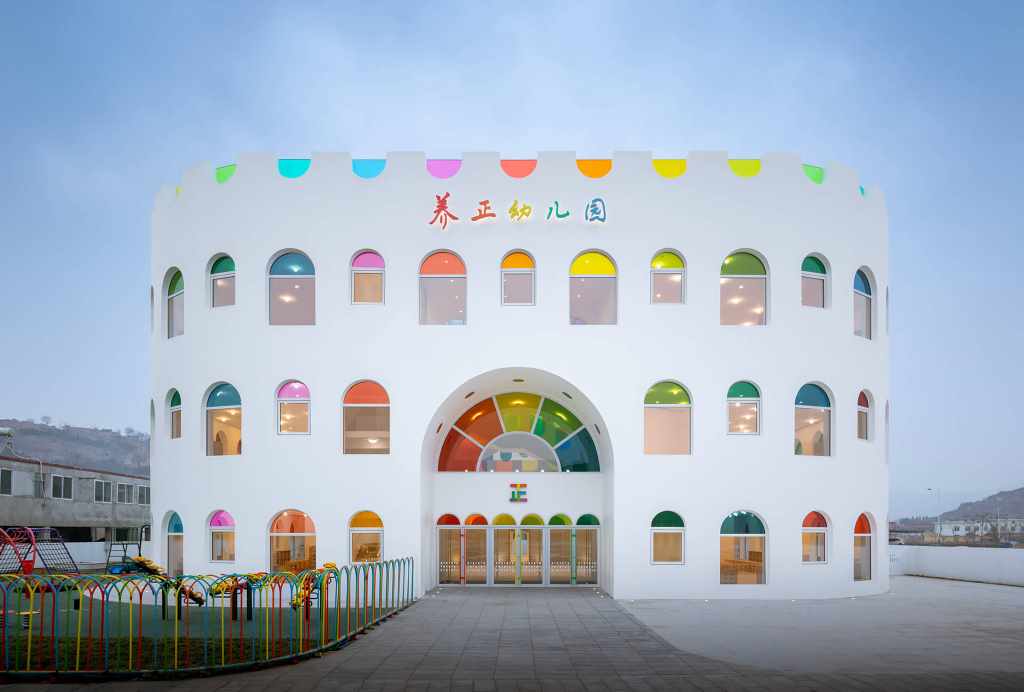
Research consistently shows that natural light improves mood, concentration, and overall well-being. Schools should maximize natural light in classrooms and common areas. Large windows, skylights, and light shelves can help achieve this.
Additionally, integrating outdoor spaces into the school design is crucial. Courtyards, gardens, and rooftop terraces provide opportunities for students to connect with nature, engage in physical activity, and learn about sustainability, helping them to pay attention in class.
3. Sustainability and Energy Efficiency
In an era of climate change, sustainable design is not a luxury but a necessity. Schools should incorporate energy-efficient systems, such as solar panels, geothermal heating and cooling, and green roofs. Using recycled materials and minimizing waste during construction are also essential considerations.
- Daylight Harvesting: Sensors that adjust artificial lighting based on the amount of natural light can significantly reduce energy consumption.
- Water Conservation: Rainwater collection systems and efficient plumbing fixtures can help conserve water resources.
4. Safety and Security
The safety of students and staff is paramount. Schools should be designed with clear sightlines, secure entrances, and well-lit pathways. Access control systems, surveillance cameras, and emergency communication systems can further enhance security.
- Single Point of Entry: This design feature allows for better visitor management and control.
- Safe Zones: Designated areas where students can seek refuge during emergencies can provide peace of mind.
5. Aesthetics and Inspiration
A school building should not only be functional and safe but also aesthetically pleasing and inspiring. Art installations, murals, and creative architectural features can add vibrancy and personality to the school environment.
- Student Input: Involving students in the design process can foster a sense of ownership and pride in their school.
- Community Spaces: Inviting common areas, such as libraries, cafeterias, and auditoriums, can encourage social interaction and create a sense of belonging.
The Future of School Design
The design of school buildings is constantly evolving. Emerging trends include:
- Adaptive Reuse: Repurposing existing buildings for educational use can be a sustainable and cost-effective option.
- Modular Construction: Pre-fabricated building components can accelerate construction and reduce waste.
- Smart Technology: Sensors, data analytics, and artificial intelligence can be used to optimize energy use, improve security, and personalize learning experiences.
What Are the Three Key Concepts in Transformational Learning?
Conclusion
The best school building designs go beyond mere aesthetics and functionality. They create environments that nurture, inspire, and prepare students for the challenges of the 21st century. By incorporating the elements discussed above, architects and educators can collaborate to create schools that are not only places of learning but also beacons of innovation and sustainability.