
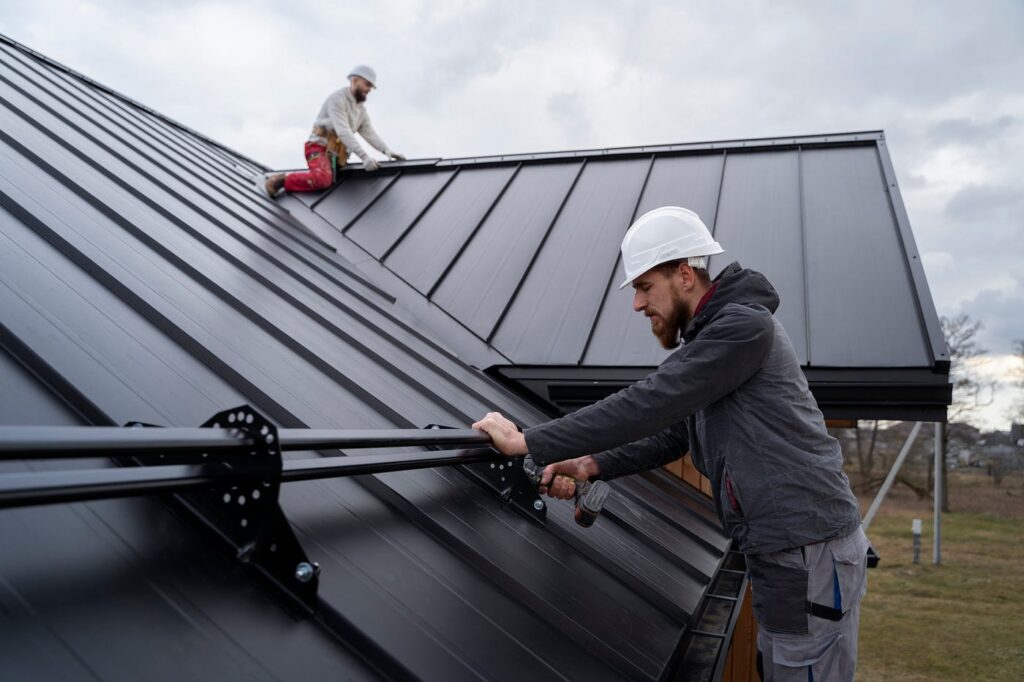
A roof isn’t just a shelter; it’s an investment in your home’s comfort, safety, and value. Choosing the right roofing material can significantly impact your home’s energy efficiency, durability, and overall aesthetic appeal. With a vast array of options available, understanding the pros, cons, and costs of each material is crucial to making an informed decision.
Popular Roofing Materials: A Detailed Look
- Asphalt Shingles: The most common residential roofing material, asphalt shingles are affordable, easy to install, and come in various styles and colors.
- Pros: Budget-friendly, readily available, suitable for most climates.
- Cons: Relatively short lifespan (15-30 years), susceptible to damage from extreme weather, not the most environmentally friendly option.
- Metal Roofing: Known for its longevity and durability, metal roofing has become increasingly popular. It comes in various forms, including standing seam, metal shingles, and corrugated panels.
- Pros: Extremely durable (50+ years), fire and impact resistant, reflects sunlight, reducing cooling costs.
- Cons: Higher upfront cost, can be noisy during rain or hail, requires professional installation.
- Clay and Concrete Tiles: These tiles offer a classic, elegant look and are known for their resistance to fire, insects, and rot.
- Pros: Long lifespan (50+ years), excellent insulation, withstands extreme weather.
- Cons: Heavy, requires additional structural support, expensive.
- Slate: A premium roofing material, slate is exceptionally durable and aesthetically pleasing.
- Pros: Extremely long lifespan (100+ years), fireproof, low maintenance.
- Cons: Very expensive, heavy, requires specialized installation.
- Wood Shakes and Shingles: Offering a natural, rustic charm, wood roofing is a popular choice for those seeking a traditional aesthetic.
- Pros: Attractive, good insulation, environmentally friendly when sourced responsibly.
- Cons: Prone to fire, insect damage, and rot, requires regular maintenance, expensive.

Related: How to fix a leaky roof
Spotlight on Spray Cork Insulation: A Waterproofing Powerhouse
In recent years, spray cork insulation has gained traction as an innovative waterproofing solution for roofs. Derived from the bark of cork oak trees, this eco-friendly material offers several advantages:
- Superior Waterproofing: Cork’s natural cellular structure repels water, making it an effective barrier against leaks and moisture damage.
- Thermal Insulation: Cork’s inherent thermal properties can help regulate your home’s temperature, reducing energy consumption.
- Soundproofing: The cellular structure of cork also absorbs sound vibrations, providing additional noise reduction benefits.
- Eco-Friendly: Cork is a renewable resource and its production process has a low environmental impact.
- Versatile Application: Spray cork insulation can be applied to various roofing materials, including metal, concrete, and wood.
Cost Considerations
Roofing costs vary significantly depending on the material, complexity of the roof, and geographic location. Generally:
- Asphalt shingles are the most affordable option.
- Metal roofing falls in the mid-range.
- Clay, concrete, slate, and wood are at the higher end.
- Spray cork insulation adds an additional cost but offers long-term value through energy savings and waterproofing benefits.
Conclusion
Choosing the right roofing material is a decision that requires careful consideration. Factor in your budget, climate, aesthetic preferences, and desired lifespan when making your choice. Remember, a well-maintained roof not only protects your home but also adds to its curb appeal and overall value.
A Note for the Knowledgeable Reader:
If you’re already familiar with roofing basics, consider delving deeper into spray cork insulation. Research its application process, long-term performance, and compatibility with your existing or planned roofing material.