
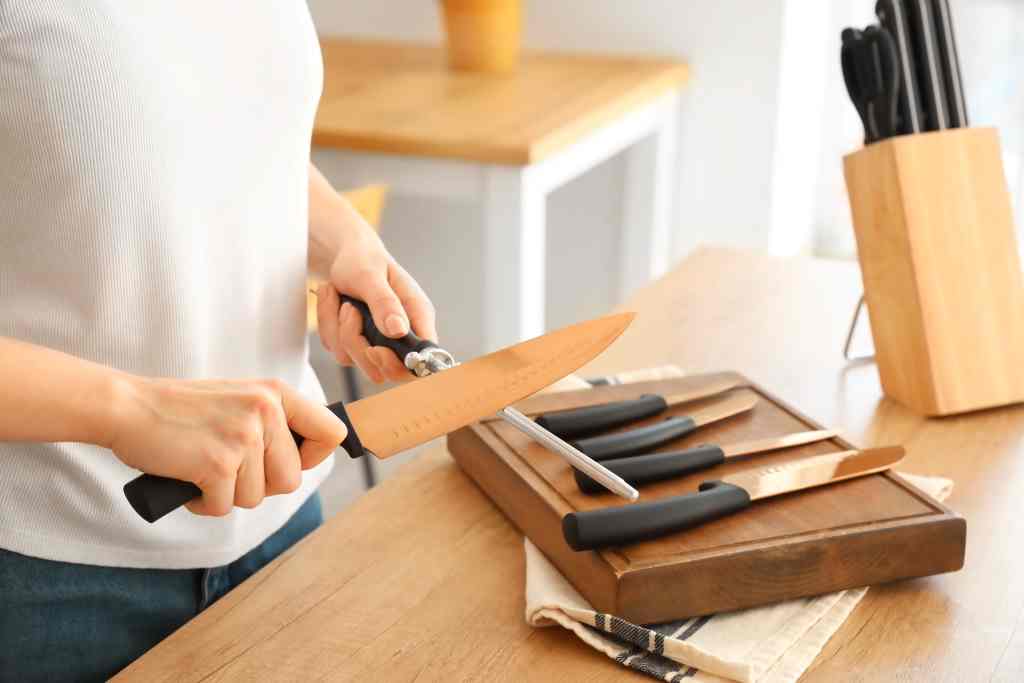
The allure of a gleaming knife block, brimming with a variety of blades, is undeniable. It promises a solution to every culinary challenge, from slicing delicate herbs to carving a Thanksgiving turkey. But do these knife sets truly deliver on their promise, or are they an unnecessary extravagance for the average home cook?
The Appeal of Knife Sets
Knife sets, particularly those housed in stylish blocks, hold an undeniable appeal. They project an image of a well-equipped kitchen, ready to tackle any culinary adventure. The convenience factor is also significant; having a range of knives at your fingertips eliminates the need to rummage through drawers in search of the right tool for the job. Moreover, for novice cooks, a knife set can provide a sense of confidence and guidance, ensuring they have the essential tools for their culinary journey.
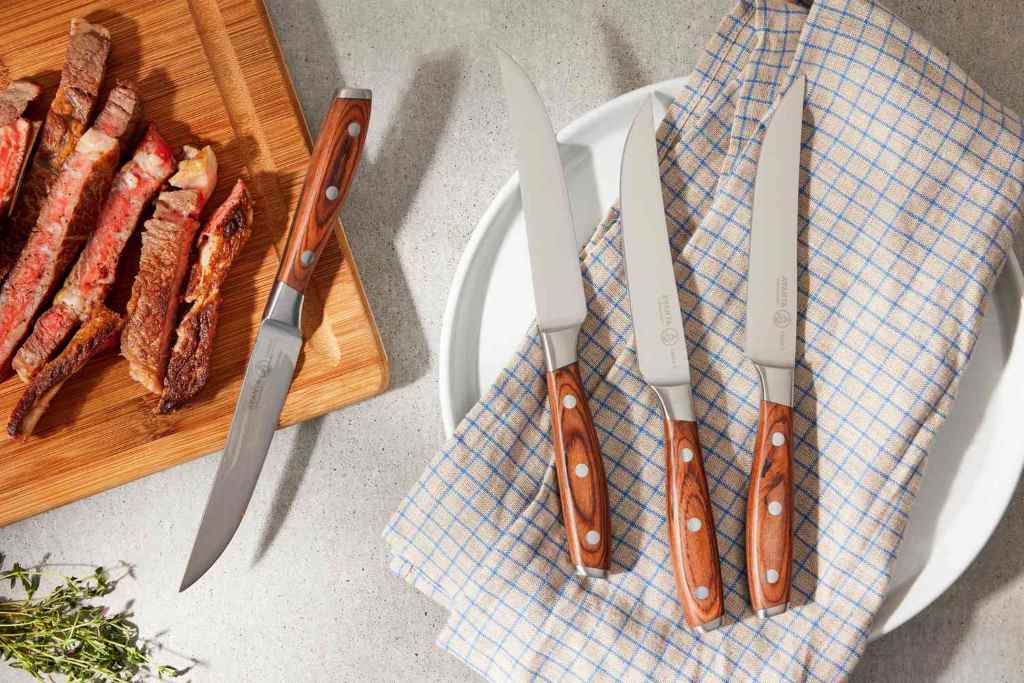
The Case for Knife Sets
- Convenience: A well-curated knife set offers a convenient solution, providing a range of blades for various tasks.
- Completeness: A good set will include the essential knives for most kitchen tasks, eliminating the need for individual purchases.
- Value: Buying a set can be more cost-effective than purchasing individual knives, especially if you’re starting from scratch.
- Safety & Storage: Knife blocks provide safe and organized storage, protecting both the blades and your fingers.
- Aesthetics: Knife blocks can enhance the visual appeal of your kitchen, adding a touch of sophistication.
The Case Against Knife Sets
- Unnecessary Knives: Many sets include specialized knives that may rarely, if ever, be used.
- Quality Concerns: Some sets prioritize quantity over quality, resulting in subpar blades that dull quickly.
- Space Constraints: Knife blocks can occupy valuable counter space, particularly in smaller kitchens.
- Limited Flexibility: Sets may not cater to individual preferences or specific culinary needs.
- Cost: High-end sets can be a significant investment, particularly if you’re on a budget.
Essential Knives for a Home Cook
Before delving deeper into the pros and cons of knife sets, it’s crucial to identify the essential knives for a typical home kitchen. These include:
- Chef’s Knife: The workhorse of the kitchen, used for chopping, slicing, and dicing a variety of ingredients.
- Paring Knife: Ideal for intricate tasks like peeling, trimming, and coring.
- Serrated Knife: Perfect for slicing bread and other foods with a hard crust and soft interior.
- Utility Knife: A versatile knife for smaller tasks that don’t require a chef’s knife.
With these four knives, a home cook can handle the majority of kitchen tasks efficiently.
Factors to Consider When Choosing a Knife Set
If you’re considering a knife set, several factors warrant careful consideration:
- Quality of the Blades: The quality of the steel and the craftsmanship are paramount. Look for knives made from high-carbon stainless steel, which offers a balance of durability, sharpness, and stain resistance.
- Construction: Full-tang construction, where the blade extends through the handle, is preferable for strength and balance.
- Comfort & Ergonomics: The handles should be comfortable to grip and provide good control.
- Number & Types of Knives: Consider the knives included in the set and whether they align with your culinary needs.
- Storage: The knife block should be sturdy, well-designed, and offer easy access to the knives.
- Price: Set a budget and compare options within your price range. Remember, quality is more important than quantity.
Alternatives to Knife Sets
If a knife set doesn’t seem like the right fit, there are alternatives to consider:
- Building Your Own Collection: Purchase individual knives based on your specific needs and preferences. This allows for greater flexibility and ensures you invest in high-quality blades.
- Starter Sets: Opt for a smaller set with the essential knives, adding to your collection as your culinary skills and needs evolve.
Caring for Your Knives
Regardless of whether you choose a knife set or individual knives, proper care is essential to maintain their sharpness and longevity.
- Hand-washing: Hand-wash your knives with warm soapy water and dry them immediately to prevent rust and corrosion.
- Honing: Regularly hone your knives with a honing steel to maintain their edge.
- Sharpening: Periodically sharpen your knives professionally or with a sharpening stone to restore their sharpness.
- Storage: Store your knives in a knife block or on a magnetic strip to protect the blades and prevent accidents.
Conclusion
Knife sets can be a valuable addition to a kitchen, providing convenience, completeness, and often, good value. However, they’re not essential for every home cook. If you’re just starting out, a small set with the essential knives might be a good option. But if you have specific preferences or limited space, building your own collection might be more suitable. The key is to prioritize quality over quantity and invest in knives that will serve you well for years to come. Additionally, if you’re considering other tools, you might want to explore Bestusatools review on carpet knife vs utility knife to make informed decisions about versatile tools for your kitchen or home projects. Remember, a well-maintained knife, whether part of a set or not, is a cook’s most valuable tool.
Additional Tips:
- Research & Reviews: Before purchasing a knife set, read reviews and compare options to find the best fit for your needs and budget.
- Try Before You Buy: If possible, try out the knives in a store to ensure they feel comfortable in your hand.
- Consider Your Culinary Style: If you specialize in a particular cuisine, you might need specialized knives not included in a standard set.
- Don’t Forget the Cutting Board: A good cutting board is essential for protecting both your knives and your countertops.
Ultimately, the decision of whether to invest in a knife set is a personal one. By weighing the pros and cons and considering your individual needs, you can make an informed choice that enhances your culinary experience. Remember, the joy of cooking lies not in the tools you use but in the creativity and passion you bring to the kitchen.