

It’s a heartbreaking scenario for any aquarist: you wake up one morning, or come home from work, to find one or more of your beloved fish floating lifelessly in the tank. Sudden fish death can be incredibly frustrating, especially when there are no obvious warning signs. But don’t despair! You can find helpful insights and tips to prevent this from happening by visiting Aquariumfishblog. Understanding the potential causes and implementing preventive measures can help you maintain a healthy aquarium environment for your fish. While pinpointing the exact cause can sometimes be tricky, understanding the common culprits can help you prevent future tragedies and maintain a healthy aquatic environment.
-
Water Quality Issues: The Silent Killer
Poor water quality is the leading cause of sudden fish death. Fish are sensitive to changes in their environment, and even slight imbalances can have fatal consequences. Here’s what to watch out for:
- Ammonia and Nitrite Spikes: These toxic compounds build up from fish waste and uneaten food. A newly set-up aquarium is particularly vulnerable to ammonia spikes as beneficial bacteria haven’t yet established to break down these toxins. Regular water testing and proper cycling of your tank are crucial.
- Nitrate Buildup: While less toxic than ammonia and nitrite, high nitrate levels can stress fish, weaken their immune systems, and make them susceptible to disease. Regular partial water changes are essential to keep nitrates in check.
- Sudden pH Changes: Fish thrive within a specific pH range. Drastic fluctuations can shock their system and prove fatal. Use a reliable pH test kit and avoid sudden changes in water chemistry.
- Temperature Fluctuations: Fish are cold-blooded, meaning their body temperature matches their surroundings. Rapid temperature changes can stress them and disrupt their biological functions. Ensure your aquarium heater is functioning correctly and avoid placing the tank in direct sunlight or near drafts.
-
Oxygen Depletion: Can’t Breathe, Won’t Live
Fish need oxygen to survive, and a lack of it can quickly lead to suffocation. Overcrowding, excessive algae growth, and inadequate water circulation can all contribute to oxygen depletion.
- Overstocking: Too many fish in a tank means more competition for oxygen. Choose fish species carefully and avoid overcrowding.
- Algae Overgrowth: While plants produce oxygen during the day, they consume it at night. Excessive algae can lead to oxygen depletion, especially at night. Maintain a balanced ecosystem and control algae growth.
- Poor Water Circulation: Ensure your filter and any air stones are working correctly to maintain adequate oxygen levels.
-
Disease Outbreaks: The Invisible Threat
Fish can succumb to various diseases, some of which can cause rapid death. While external signs might not always be apparent, internal infections or parasites can quickly overwhelm a fish’s immune system.
- Bacterial Infections: These can be introduced through new fish, contaminated water, or even decorations. Quarantine new fish before introducing them to your main tank and maintain good hygiene.
- Parasitic Infestations: Parasites can weaken fish and make them vulnerable to other diseases. Regular observation of your fish and prompt treatment are essential.
-
Toxins in the Tank: Unseen Dangers
Everyday household items can leach harmful chemicals into your aquarium water. Be mindful of the following:
- Chlorine and Chloramines: Tap water contains chlorine and chloramines to kill bacteria, but these chemicals are toxic to fish. Always use a water conditioner to neutralize them before adding water to your tank.
- Heavy Metals: Metals like copper and zinc can leach from pipes or decorations, poisoning your fish. Choose aquarium-safe decorations and avoid using metal objects near your tank.
- Cleaning Products: Residue from cleaning products can also contaminate your aquarium, potentially affecting the delicate balance needed for your tropical fish. It’s essential to use dedicated aquarium cleaning tools and avoid using harsh chemicals near your tank to maintain a stable tropical fish temperature.
-
Stress-Induced Mortality: A Hidden Factor
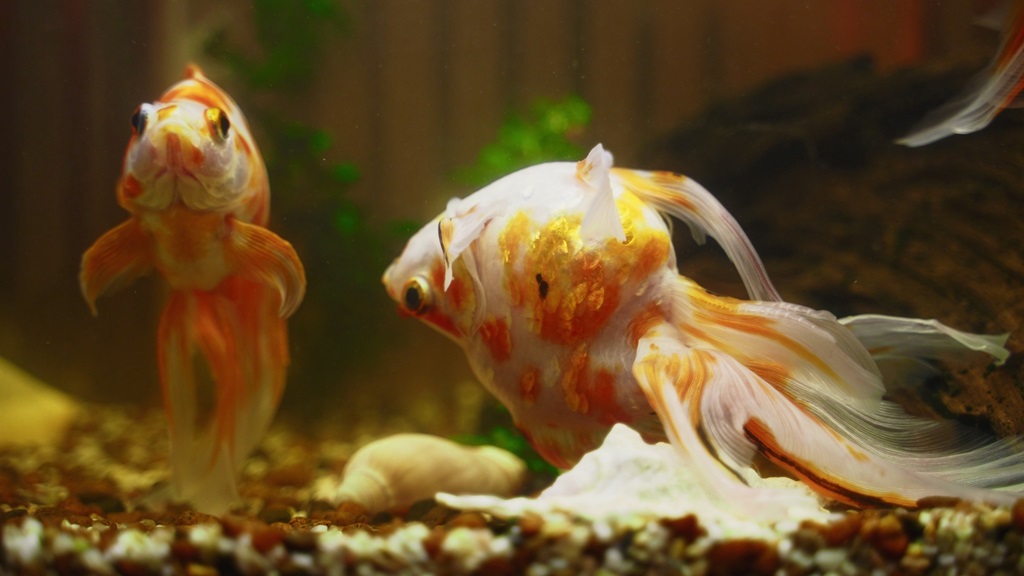
Stress plays a significant role in fish health. A stressed fish is more susceptible to disease and less able to cope with environmental challenges. Common stressors include:
- Aggression: Bullying from tank mates can cause significant stress. Choose compatible species and provide adequate hiding places.
- Sudden Changes: Any sudden change in the environment, such as a large water change or a new tank mate, can stress your fish. Introduce changes gradually.
- Poor Diet: An inadequate diet can lead to nutritional deficiencies and weaken the immune system. Feed your fish a varied and balanced diet.
Related: Aquarium Plants: Nature’s Oxygenators and Decor
-
Equipment Malfunction: The Unexpected Hazard
Faulty equipment can also contribute to sudden fish death.
- Heater Malfunction: A malfunctioning heater can overheat the water, leading to rapid temperature increases and fish death. Regularly check your heater and consider using a temperature controller.
- Filter Failure: A sudden filter stoppage can disrupt water circulation and oxygenation, leading to a rapid decline in water quality. Regularly clean and maintain your filter.
Investigating the Cause: Playing Detective
When faced with a sudden fish death, try to identify the cause to prevent further losses.
- Observe the Tank: Check water parameters, temperature, and equipment functionality. Look for any signs of disease or unusual behavior in the remaining fish.
- Consider Recent Changes: Did you recently add new fish, change the water, or introduce new decorations?
- Examine the Deceased Fish: Look for any physical signs of disease or injury.
Prevention is Key: Maintaining a Healthy Aquarium
While not all fish deaths are preventable, proactive measures can significantly reduce the risk:
- Cycle your tank properly: Establish a healthy colony of beneficial bacteria before adding fish.
- Maintain excellent water quality: Regularly test water parameters and perform partial water changes.
- Choose compatible fish species: Avoid overcrowding and aggression.
- Provide a balanced diet: Feed your fish a variety of high-quality foods.
- Minimize stress: Introduce changes gradually and provide a suitable environment.
- Monitor equipment: Regularly check and maintain your aquarium equipment.
By understanding the common causes of sudden fish death and taking preventative measures, you can create a thriving aquatic environment where your fish can live long and healthy lives.