
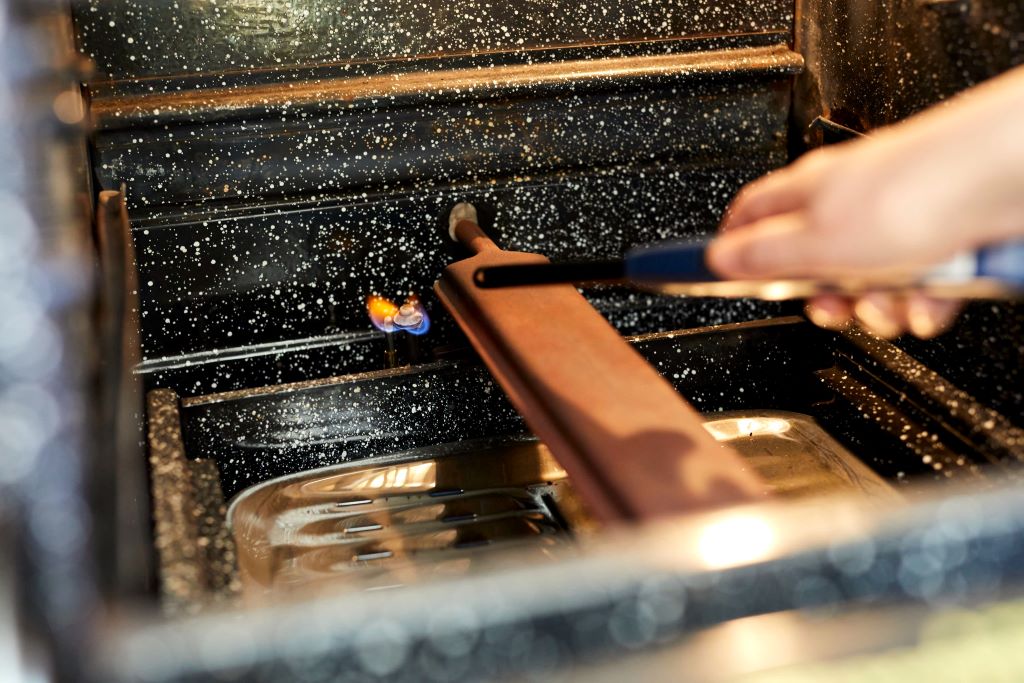
Gas ovens are staples in many homes, known for their efficiency and reliability. However, like any appliance, they can occasionally face problems. One of the most common issues is a malfunctioning pilot light. If you’re wondering how to fix the pilot light on a gas oven, this article will walk you through every detail, backed by logical steps and expert advice.
Maintaining your gas oven’s pilot light is crucial, as this small flame ignites the burners that provide the heat needed for cooking. When it fails, your oven won’t function properly, but fixing it doesn’t always require a professional. Often, simple troubleshooting and maintenance can solve the issue. As you explore Nothincreative, you’ll find plenty of practical home improvement tips like this one.
Understanding the Role of the Pilot Light
A gas oven’s pilot light is a small, continuously burning flame responsible for igniting the main burners. Without it, your oven simply won’t work. Knowing the basics of how it operates can help you better understand why it might fail and how to fix it.
Why the Pilot Light Might Go Out
Several factors could cause your pilot light to go out:
- Drafts: Open windows or poor insulation can extinguish the flame.
- Dirty Components: Dust or grease can clog the pilot orifice, obstructing the gas flow.
- Thermocouple Issues: The thermocouple ensures safety by shutting off the gas supply if the pilot light isn’t burning. If it’s faulty, the gas flow may be prematurely interrupted.
Each of these causes requires specific fixes, which we will detail below.
Step-by-Step Guide to Fixing the Pilot Light

-
Ensure Safety First
Before diving into the repair process, always prioritize safety. Gas leaks are dangerous and can lead to serious consequences if not handled correctly.
- Turn off the gas supply at the main valve.
- Ventilate the area by opening windows or using fans.
- Keep flammable objects away from the work area.
-
Locate the Pilot Light
The location of the pilot light depends on your oven’s make and model. Typically, it can be found beneath the oven floor or at the back of the appliance. Consult your user manual for specific details.
-
Inspect the Pilot Light Assembly
Carefully examine the pilot light assembly for visible issues:
- Clogged Orifice: Remove dirt or grease using a soft brush or a pin.
- Damaged Thermocouple: Look for signs of wear or corrosion.
-
Clean the Pilot Light Components
Cleaning is often the simplest and most effective solution for reigniting a stubborn pilot light.
- Use a dry cloth to remove dirt or grease.
- For stubborn debris, apply a mild detergent solution and wipe clean.
- Ensure all components are dry before proceeding.
-
Relight the Pilot Light
Once cleaned, it’s time to reignite the pilot light.
- Turn the gas supply back on.
- Hold a match or a long-reach lighter close to the pilot light orifice.
- Press and hold the pilot control knob to release gas.
- Ignite the flame and hold the knob for 30–60 seconds to allow the thermocouple to heat up.
Addressing Common Pilot Light Problems
Thermocouple Malfunction
The thermocouple is a critical safety device that senses whether the pilot light is lit. If it’s defective:
- Inspect the wiring for damage.
- If corroded, clean it with fine-grit sandpaper.
- Replace the thermocouple if it shows significant wear.
Gas Supply Issues
Sometimes, the problem lies with the gas supply rather than the pilot light itself. A faulty regulator or blockages in the gas line could restrict gas flow. Check your gas meter box cover to ensure all components are intact and functional.
Tips for Preventing Future Pilot Light Problems
Preventive maintenance can save you from repeated hassles:
- Regular Cleaning: Keep the pilot light and surrounding areas clean.
- Inspect Components Annually: Check the thermocouple and gas line for signs of wear.
- Professional Servicing: Have your gas oven serviced annually by a qualified technician.
When to Call a Professional
While many pilot light issues can be fixed at home, some problems require professional expertise:
- Persistent extinguishing of the pilot light.
- A damaged gas line or regulator.
- The smell of gas even after turning off the main valve.
You Might Enjoy: Knife Sets: A Complete Cutting Collection or Unnecessary Expense?
Conclusion
Knowing how to fix the pilot light on a gas oven can save time and money, while also ensuring your appliance runs efficiently. From cleaning components to addressing thermocouple issues, many solutions are straightforward. However, don’t hesitate to seek professional help when needed. By maintaining your oven regularly, you can prevent common pilot light problems and enjoy consistent cooking performance.