
Squeaky hardwood floors can be a homeowner’s nightmare, especially when hidden beneath layers of carpet. The persistent creaks disrupt peace and may point to structural concerns that require attention. But here’s the good news—you don’t have to pull up your carpet to address these pesky noises! Fixing squeaky hardwood floors without removing carpet is not only possible but also affordable and straightforward if approached correctly.
Whether it’s loose subflooring, misaligned joists, or poorly installed planks causing the racket, we’ll guide you through tried-and-tested methods to silence those squeaks. By using common tools like screws, shims, and powdered lubricants, you can tackle this problem with confidence. And while you’re here, don’t forget to explore Shahraradecor for top-notch home improvement tips and solutions.
Common Causes of Squeaky Hardwood Floors Under Carpet
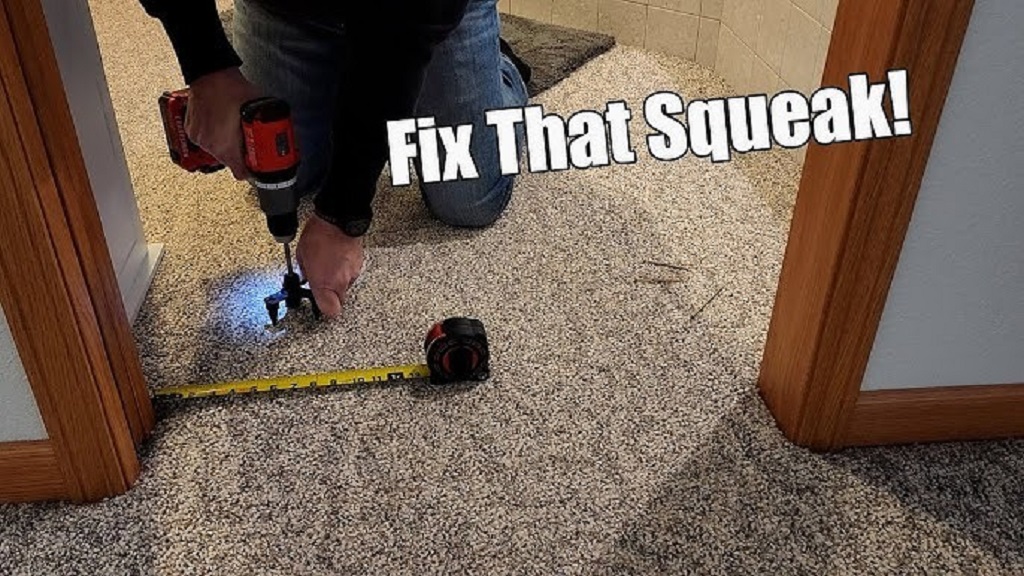
Identifying the Culprit Beneath the Carpet
Squeaky floors typically result from friction between floorboards, a loose subfloor, or inadequate support beneath the flooring. Over time, nails securing the hardwood may loosen, or wood may expand and contract due to humidity changes. These shifts create gaps or instability that result in noise.
Why It Matters to Fix Squeaks Early
Unchecked squeaks might escalate into severe problems, such as compromised floor strength or increased wear on carpeting. Addressing these issues promptly preserves the integrity of your flooring and prevents more costly repairs.
Tools and Materials You’ll Need
To get started, gather essential tools like a stud finder, drill, screws, shims, and talcum powder. Each method requires specific materials, so prepare accordingly to minimize interruptions during the repair process.
How to Identify the Problem Area Without Removing Carpet
Step-by-Step Floor Examination
Locating the source of the squeak is the first step. Start by walking across the floor slowly, marking spots where noises occur. Pay attention to patterns—squeaks near walls often indicate joist issues, while random creaks could signal loose boards.
Using a Stud Finder for Precision
A stud finder is invaluable for detecting joists beneath the flooring. Once located, you can accurately determine where to insert screws or shims without damaging the surrounding structure.
Practical Tips for Spotting Problem Zones
Press down on suspected squeaky areas with your weight and observe changes in noise. Enlist a partner to walk across the floor while you listen closely below to pinpoint trouble spots. When managing home repairs, other problems like roof leaks might arise. If you’re wondering how to tackle such challenges, check out how to repair leaking roof. Proactive maintenance keeps your home in top condition and prevents cascading issues.
Effective Solutions for Fixing Squeaky Hardwood Floors Without Removing Carpet
Using Screws to Secure Loose Subflooring
One of the most reliable methods involves using specialized screws to tighten the subfloor to the joists. Choose screws designed for carpeted floors, as these prevent surface damage while effectively eliminating movement.
Applying Lubricants for Temporary Relief
Powdered graphite or talcum powder can be sprinkled into gaps around squeaky areas. These reduce friction, offering a quick and inexpensive fix until more permanent solutions are implemented.
Inserting Wooden Shims
If gaps between the joists and subfloor are causing the noise, inserting wooden shims is a highly effective remedy. Gently tap the shims into place, being careful not to over-tighten and warp the flooring.
When to Seek Professional Help
While DIY methods work in most cases, severe structural issues may require a professional touch. A licensed contractor can assess whether deeper repairs are necessary to ensure the longevity of your hardwood floors.
Read More Also: How to Remove Makeup Without Disrupting the Skin’s pH Balance
Preventing Future Squeaks Through Maintenance
Controlling Humidity Levels
Fluctuating humidity is a significant contributor to squeaky floors. Invest in a good dehumidifier or humidifier to maintain optimal moisture levels year-round.
Ensuring Proper Installation Practices
If you’re planning renovations or floor replacements, ensure proper installation techniques are followed. Tight fitting and secure fastening reduce the risk of future squeaks.
Routine Floor Inspections
Make it a habit to inspect your floors periodically for early signs of looseness or wear. Addressing minor issues promptly can save you from extensive repairs down the road.
Frequently Asked Questions
What causes squeaky hardwood floors under carpet?
Squeaky floors often stem from loose nails, friction between boards, or inadequate support from joists. Moisture changes and wear over time can exacerbate the problem.
Can I fix squeaky floors without special tools?
Yes! Many fixes, such as using talcum powder or wooden shims, require minimal tools and can be done by homeowners without prior experience.
Will fixing squeaky floors damage my carpet?
Not if done carefully. Use specialized screws and avoid over-tightening. Proper planning ensures your carpet remains intact during repairs.
What is the easiest way to temporarily stop floor squeaks?
Sprinkling talcum powder or powdered graphite between floorboards can quickly reduce squeaks by minimizing friction.
Are professional repairs expensive?
Costs vary depending on the extent of the issue. Minor fixes are affordable, but structural problems may require professional intervention, which can be pricier.
How do I maintain squeak-free floors?
Regular maintenance, humidity control, and addressing minor issues early help prevent squeaks from developing.
Conclusion
Fixing squeaky hardwood floors without removing carpet is a manageable task that restores quiet and protects your flooring’s integrity. Whether you choose DIY methods like securing loose boards with screws or rely on professional help for structural issues, addressing the problem promptly is key. Remember, proactive maintenance is your best ally in keeping your floors squeak-free.