
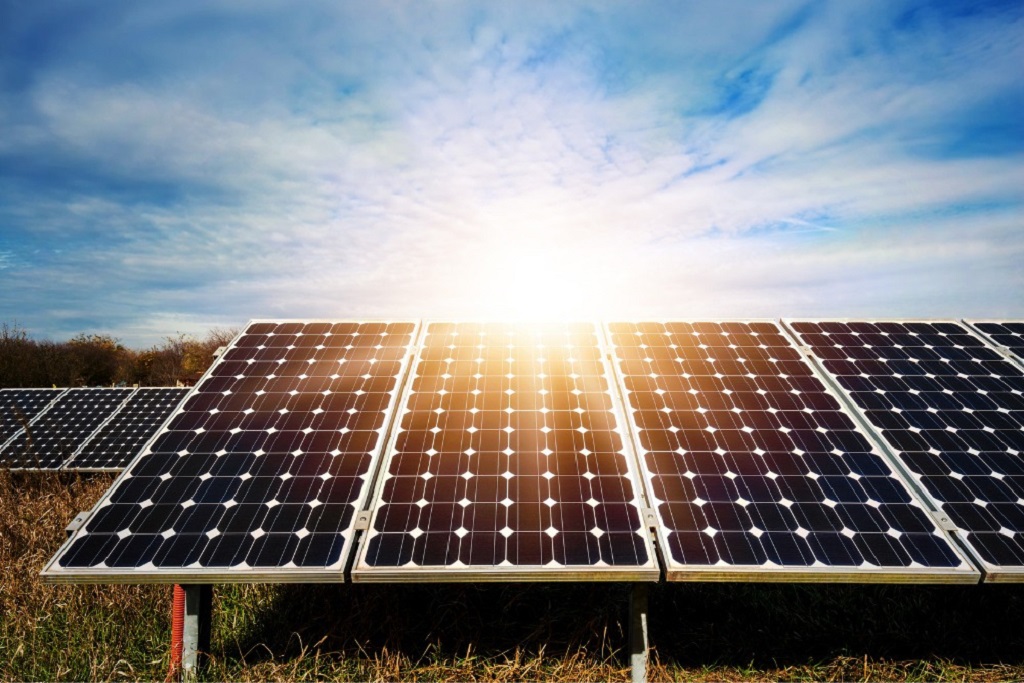
Solar energy has become one of the leading sources of clean, renewable power worldwide. As more homeowners and businesses transition to solar power, understanding how to maximize its potential is critical. One of the most significant factors influencing solar panel efficiency is shading. Even partial shading can have a noticeable impact on the energy output of solar panels. By reducing shading, you can significantly boost the efficiency of your solar energy system and save money in the long term.
In this article, we’ll dive deep into how to reduce solar panel shading, its effects on efficiency, and what strategies you can employ to get the most out of your solar installation. If you’re looking to explore ways to improve your solar setup, consider checking out Future Life Network for additional resources.
Understanding the Importance of Solar Panel Efficiency
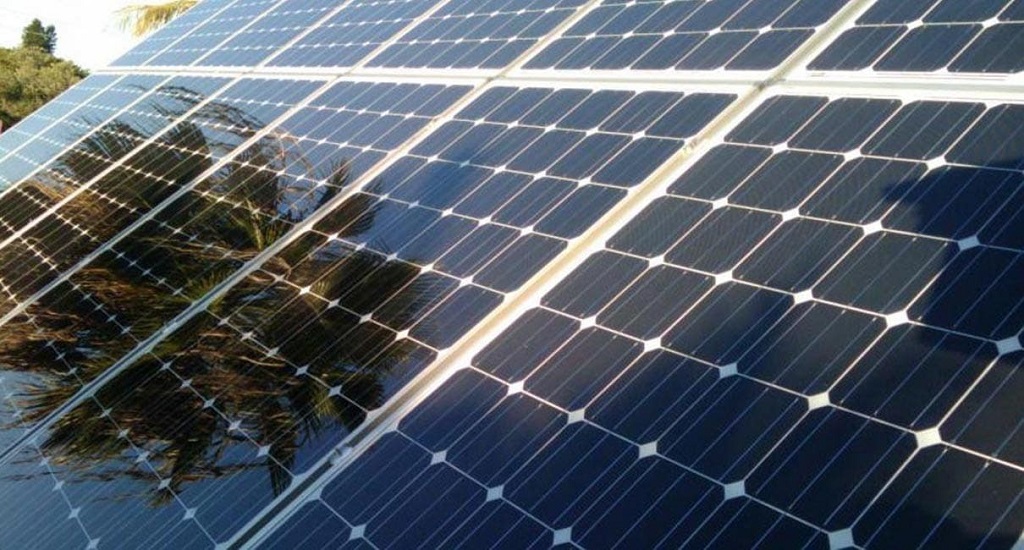
Before we dive into the specifics of shading reduction, it’s essential to grasp how solar panels work and why efficiency matters. Solar panels are designed to convert sunlight into electricity through photovoltaic cells. The more sunlight they receive, the more energy they produce.
However, not all sunlight is created equal. When trees, buildings, or other objects cast shadows on your solar panels, it blocks the sunlight from reaching them, reducing their overall output. This is particularly problematic if the shading occurs during peak sun hours.
Reducing solar panel shading is crucial because even small reductions in sunlight can cause a drop in efficiency. For example, a small section of your solar array shaded for just a few hours can lower energy production by a significant margin.
How Efficient is Solar Energy?
Solar energy is undeniably efficient, but like any technology, it has its limits. On a clear, sunny day, solar panels can convert up to 20% or more of the sunlight they receive into usable electricity. However, factors like shading, orientation, and angle can drastically affect these numbers. To understand just how much shading can impact efficiency, it’s vital to explore the specifics of how solar panels are affected by shadowing.
When even a small section of a solar panel is shaded, it can cause the entire system to underperform. Modern solar panels are often wired in series, which means that if one panel is partially shaded, the others in the series may also suffer a reduction in output. This is why partial shading can be especially problematic—its effects are far-reaching.
You can get a deeper dive into solar energy efficiency by exploring how efficient is solar energy.
The Effects of Shading on Solar Panels
Shading on solar panels comes in many forms—some of the most common culprits include trees, power lines, nearby buildings, and even dirt and debris that collect on the panels. Even slight shading, such as a small section of a single panel being covered by a leaf or branch, can cause efficiency to plummet.
The primary issue with shading is that it prevents solar cells from absorbing the sunlight they need to produce energy. When a portion of the panel is shaded, the rest of the panel’s ability to generate power decreases, leading to a decrease in overall output.
Studies have shown that shading can cause a drop in solar panel performance by up to 25% or more. This reduction in energy production leads to higher electricity costs for homeowners and businesses relying on solar energy.
Identifying Sources of Shading
To combat the problem of shading, it’s essential to identify the sources causing the issue. Here are the most common sources of shading that affect solar panel performance:
-
Trees and Vegetation
One of the leading causes of shading on solar panels is the growth of nearby trees or plants. As trees grow taller, they can cast shadows on your panels, reducing their exposure to sunlight.
-
Nearby Buildings or Structures
If your home or business is located in an area with taller buildings or structures, you might experience shading from them, especially in the early morning or late afternoon when the sun is at a lower angle.
-
Dirt and Debris
Sometimes, shading can be caused by dirt or debris collecting on the surface of the panels. While not as severe as tree shading, a buildup of dirt and dust can still block sunlight and lower energy production.
-
Power Lines
Overhead power lines are another potential source of shading, particularly if the lines are close to your solar array. These lines can cast a shadow, especially if the sun is in a position where it lines up directly with the lines.
Strategies to Reduce Shading on Solar Panels
Now that we’ve explored the effects of shading, let’s dive into how you can reduce shading to boost your solar panel’s efficiency.
-
Trim Trees and Vegetation Regularly
If trees or shrubs are causing shading, regular trimming can help ensure they don’t cast shadows on your solar panels. If the trees are particularly tall, you may need to consider removing or relocating them entirely.
-
Optimize the Angle and Orientation of Your Panels
Adjusting the angle and orientation of your solar panels can help minimize shading, especially if nearby structures or objects are casting shadows. In some cases, reconfiguring your panels can significantly improve exposure to sunlight.
-
Install Solar Panel Systems with Microinverters
If your solar system is wired in series, shading can affect the entire array. To combat this, consider installing microinverters. These inverters work on a panel-by-panel basis, so if one panel is shaded, it won’t affect the rest of the system.
-
Use Shade-Resistant Solar Panels
Some solar panels are designed with technologies that allow them to perform better under shaded conditions. These panels may be equipped with bypass diodes or other features that reduce the impact of shading.
-
Clean Your Solar Panels Regularly
Ensure that your solar panels are free of dirt, dust, and debris by cleaning them regularly. A dirty panel can have reduced efficiency, so it’s essential to keep them clean for optimal performance.
Read More Also: How to Achieve Effortless Chic Style on a Budget
Conclusion
Reducing shading on solar panels is an effective way to increase their efficiency and boost energy production. By understanding the sources of shading and implementing strategies to minimize them, you can ensure that your solar panels operate at their peak performance. Remember that even small improvements can lead to significant energy savings and increased long-term benefits for your solar investment.