
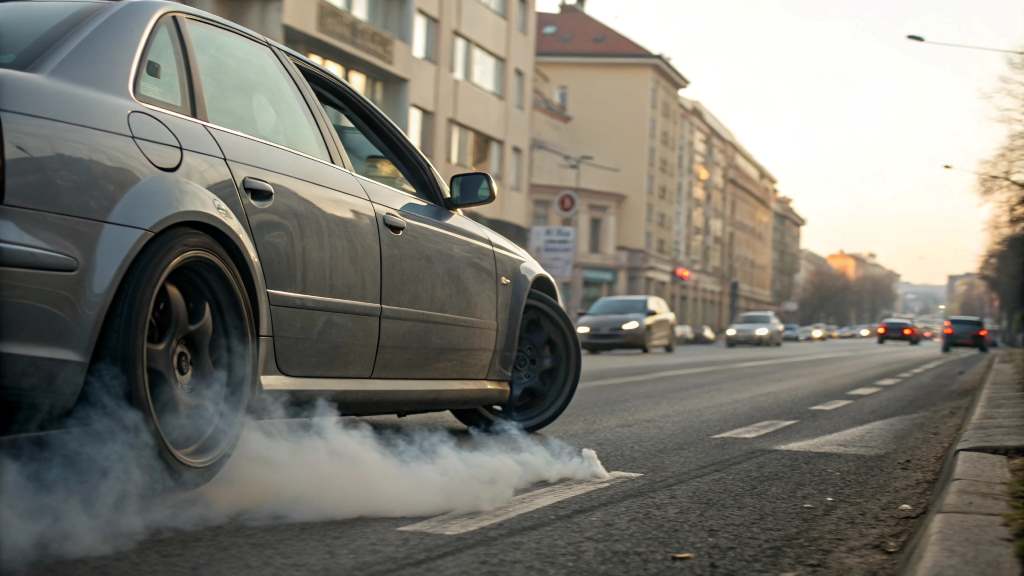
Car brake squeal is not just annoying—it can be a sign of underlying problems. Whether you’re dealing with high-pitched noises every time you hit the brakes or an occasional squeak, ignoring it can lead to costly repairs. The good news? You don’t need to be a mechanic to fix it. With a few simple DIY hacks, you can eliminate brake squeal and enjoy a quieter, smoother ride.
If you love working on cars or are interested in classic car history, you might want to explore Trade Car Hub for more automotive insights. Now, let’s dive into the best ways to get rid of that irritating brake noise.
Understanding Why Brakes Squeal
Before you fix the problem, it’s essential to understand why brake squeal happens. Here are some of the most common reasons:
- Glazed Brake Pads: When brake pads overheat, their surface becomes smooth and hard, causing them to produce a high-pitched squeal.
- Moisture and Rust: Rain or humidity can create a thin layer of rust on the rotors, leading to temporary squeaking.
- Worn-Out Brake Pads: Most brake pads have wear indicators that make noise when it’s time for a replacement.
- Loose or Improperly Installed Parts: If components are not correctly tightened, they can vibrate and create noise.
- Low-Quality Brake Pads: Cheap pads often contain high amounts of metal, leading to excessive noise and poor braking performance.
Understanding the root cause is the first step to solving the issue effectively. Explore The Signs Your Car Needs a Reliable Mechanic.
DIY Hacks to Eliminate Brake Squeal

Replace or Upgrade Your Brake Pads
One of the most effective ways to eliminate brake squeal is by upgrading to high-quality brake pads. Ceramic or semi-metallic brake pads are quieter and last longer than cheap organic pads. A study by the Brake Manufacturers Council found that ceramic pads reduce noise by up to 30% compared to standard options.
When replacing brake pads:
- Choose OEM (Original Equipment Manufacturer) or high-quality aftermarket pads.
- Apply an anti-squeal lubricant to the back of the pads to reduce vibrations.
- Break in new pads properly by performing controlled stops to help them wear evenly.
Clean and Lubricate Brake Components
Dirt, grime, and rust can cause brake noise. Cleaning and lubricating key components can eliminate unwanted squeaks.
- Use brake cleaner spray to remove dust and debris from rotors and calipers.
- Apply a small amount of high-temperature brake grease to contact points where the pads touch the caliper.
- Avoid getting lubricant on the brake pad surface, as this can reduce braking performance.
Resurface or Replace Rotors
If your brake rotors are uneven or have deep grooves, they can cause vibrations that lead to squealing. Machining or replacing them can fix this issue.
- Check rotors for signs of wear and warping.
- If they are still within the manufacturer’s thickness limit, you can have them resurfaced.
- If they are too thin, replace them with high-quality rotors designed for noise reduction.
Tighten Loose Brake Components
Loose bolts, clips, or calipers can create unwanted vibrations that result in brake squeal. Ensuring all components are properly tightened can help eliminate noise.
- Inspect brake hardware, including clips and shims, for wear and replace them if necessary.
- Use a torque wrench to tighten bolts to manufacturer specifications.
- Ensure that brake pads fit snugly in the caliper bracket to minimize movement.
Use Brake Pad Shims or Noise-Dampening Insulators
Shims or insulators act as a cushion between the brake pad and caliper, reducing vibrations and noise. Many premium brake pads come with built-in shims, but you can also buy aftermarket ones if needed.
- Choose high-quality rubber or metal shims.
- Properly align shims to ensure even pressure distribution.
- Avoid stacking multiple shims, as this can cause uneven braking.
Bed-In Your Brakes Properly
Improper break-in procedures can lead to excessive noise. Bedding-in your brakes helps transfer an even layer of brake pad material onto the rotors, reducing squeal.
To bed-in your brakes:
- Find a safe, open road and accelerate to 40-50 mph.
- Apply the brakes firmly but not aggressively, slowing to around 10 mph.
- Repeat this process 5-10 times, allowing brakes to cool between stops.
This process ensures better contact between the pads and rotors, minimizing noise.
The Role of Speed in Brake Noise and Performance
Did you know that braking performance is directly related to how fast a car is going? In fact, in the 1920s, vehicles had much lower speed limits compared to today. If you’re curious about historical car speeds, check out this article on how fast did cars go in 1920. Understanding past and present braking technology can help you appreciate the improvements made in modern braking systems.
When to Seek Professional Help
While DIY fixes work for most cases, some issues require professional attention. Visit a mechanic if:
- The squeal persists after trying multiple fixes.
- Braking feels weak, spongy, or inconsistent.
- You notice grinding noises, which indicate severely worn pads.
- The brake warning light appears on your dashboard.
Ignoring serious brake issues can lead to dangerous driving conditions, so don’t hesitate to get expert advice when needed.
FAQs
Can I drive with squeaky brakes?
Yes, but it’s not advisable. Squeaky brakes can indicate worn-out pads or other issues that may compromise braking performance.
How long does it take to fix brake squeal?
Most DIY fixes, like lubricating components or replacing pads, can be done in 1-2 hours. More complex repairs, like resurfacing rotors, may take longer.
Do all new brake pads squeak?
Some new brake pads may squeak during the break-in period. Proper bedding-in usually eliminates the noise within 100-200 miles.
What’s the best lubricant for brake noise?
Use a high-temperature brake grease or anti-squeal spray. Avoid using regular grease, as it can cause brake failure.
How often should I check my brakes?
Inspect your brakes every 6 months or every 10,000 miles, whichever comes first. Regular maintenance prevents noise and ensures safety.
Eliminating brake squeal is easier than you think. By following these DIY hacks, you can enjoy a smoother, quieter ride while extending the life of your braking system. If you’re passionate about cars, continue exploring resources like Trade Car Hub to enhance your automotive knowledge.