
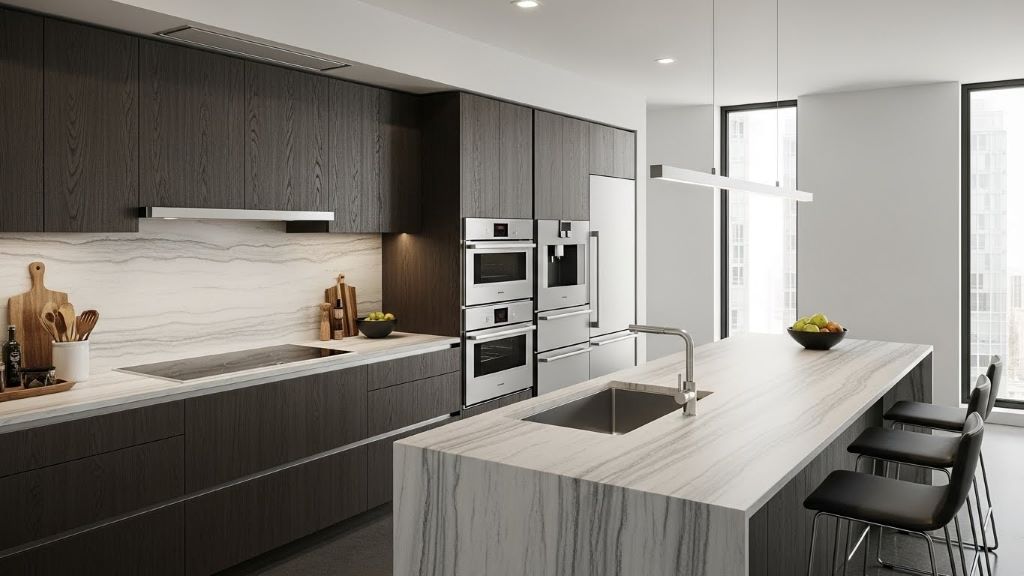
Choosing the right countertop material can transform your kitchen or bathroom. Two popular options that often confuse homeowners are sintered stone and technical porcelain. While they share similarities, understanding their differences helps you make an informed decision. According to The Funky Kitchen, selecting the appropriate material depends on your specific needs, budget, and design preferences.
Both materials offer durability and aesthetic appeal. However, they differ in manufacturing processes, performance characteristics, and pricing. Additionally, many people wonder is sintered stone porcelain, which adds to the confusion when comparing these materials. This guide breaks down everything you need to know about these two sophisticated surface options.
What Is Sintered Stone?
Sintered stone represents a relatively new innovation in surface materials. Manufacturers create it by subjecting natural minerals to extreme heat and pressure. This process mimics the natural formation of stone over thousands of years, but it happens in just hours.
The sintering process bonds particles together without melting them completely. Raw materials like silica, mineral oxides, and natural clays undergo temperatures exceeding 1200 degrees Celsius. Moreover, the pressure applied during manufacturing reaches approximately 400 bars. This combination creates an ultra-compact surface with minimal porosity.
The result is a non-porous, highly durable material. Sintered stone resists scratches, stains, and heat better than many traditional surfaces. Furthermore, it maintains its appearance even under harsh conditions. Popular brands include Dekton, Lapitec, and Neolith, each offering unique color palettes and finishes.
Understanding Technical Porcelain
Technical porcelain, also known as porcelain stoneware or engineered porcelain, comes from refined clays and minerals. Manufacturers fire these materials at high temperatures, typically between 1200 and 1400 degrees Celsius. The firing process vitrifies the clay, creating a dense and durable surface.
This material originated in the tile industry but has expanded into countertops and other applications. Technical porcelain slabs are thinner than traditional stone but remarkably strong. Additionally, they come in large formats, reducing the number of seams in installations.
Porcelain surfaces offer excellent resistance to moisture, stains, and bacteria. They also withstand temperature fluctuations without cracking. According to Forbes, porcelain countertops have gained popularity in modern kitchen designs due to their versatility and low maintenance requirements.
Key Differences in Manufacturing
The primary difference between sintered stone and technical porcelain lies in their production methods. Sintered stone uses a combination of extreme pressure and heat simultaneously. This process creates a material with virtually no porosity and exceptional density.
Technical porcelain relies primarily on high-temperature firing. While the temperatures are similar, the absence of extreme pressure during manufacturing affects the final product’s characteristics. Consequently, porcelain may have slightly higher porosity than sintered stone, though it remains highly water-resistant.
Raw materials also differ between the two. Sintered stone often incorporates a wider variety of minerals and natural materials. Technical porcelain focuses on refined clays and feldspathic materials. Therefore, each material achieves its unique properties through distinct processes.
Durability and Performance
Both materials excel in durability, but sintered stone typically edges ahead. Its manufacturing process creates an ultra-compact surface that resists scratching better than most alternatives. You can cut directly on sintered stone without damaging it, though this isn’t recommended for knife longevity.
Technical porcelain also offers impressive durability. It resists chips and cracks under normal use. However, it may be more susceptible to impact damage compared to sintered stone. Nevertheless, both materials outperform natural stone and laminate in durability tests.
Heat resistance is another area where sintered stone shines. You can place hot pots directly on the surface without worry. Technical porcelain handles heat well too, but extreme temperature changes may cause thermal shock. Therefore, using trivets remains a good practice for both materials.
Stain Resistance and Maintenance
Sintered stone’s non-porous nature makes it virtually impervious to stains. Acidic substances like lemon juice or wine won’t penetrate the surface. This characteristic makes it ideal for kitchens where spills are common. Furthermore, you can clean it with simple soap and water.
Technical porcelain also resists stains effectively due to its low porosity. Most spills wipe away easily without leaving marks. However, some lighter-colored porcelains may show staining over time if not cleaned promptly. Fortunately, both materials require no sealing, unlike granite or marble.
Maintenance for both surfaces is minimal. Regular cleaning with mild detergents keeps them looking new. Additionally, neither material harbors bacteria, making them hygienic choices for food preparation areas. This low-maintenance aspect appeals to busy homeowners seeking practical solutions.
Aesthetic Options and Design Flexibility
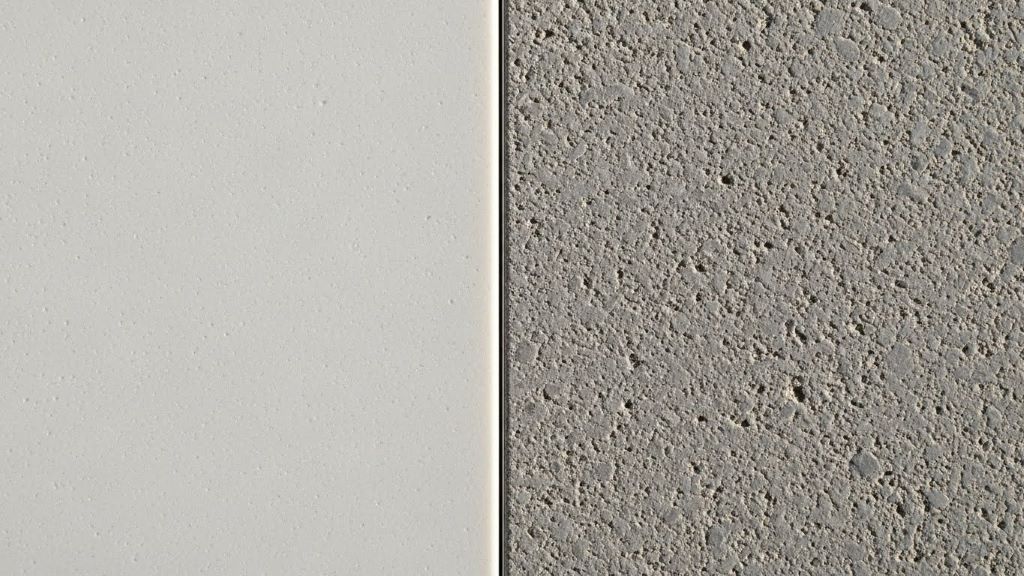
Sintered stone offers extensive design possibilities. Manufacturers can replicate natural stone, concrete, and even fabric textures. The material comes in various thicknesses, from slim 6mm slabs to robust 20mm options. Moreover, large-format slabs minimize seams in installations.
Technical porcelain provides equally impressive aesthetic variety. It excels at mimicking natural materials like marble and granite. Digital printing technology allows for intricate patterns and veining. Additionally, porcelain slabs are available in numerous finishes, including polished, matte, and textured surfaces.
Both materials suit contemporary and traditional design styles. Their versatility extends beyond countertops to wall cladings, flooring, and outdoor applications. Therefore, designers appreciate the creative freedom these materials provide.
Cost Considerations
Price differences between sintered stone and technical porcelain can be significant. Sintered stone typically costs more due to its advanced manufacturing process. Expect to pay between $60 to $120 per square foot installed. Premium brands and unique finishes push prices even higher.
Technical porcelain generally offers a more budget-friendly option. Installation costs range from $40 to $80 per square foot. However, prices vary based on brand, thickness, and complexity of installation. Consequently, obtaining multiple quotes helps ensure competitive pricing.
Both materials represent investments in quality and longevity. While initial costs may seem high, their durability and low maintenance offset expenses over time. Therefore, consider the long-term value when making your decision.
Installation Requirements
Installing sintered stone requires specialized skills and equipment. The material’s density makes cutting and shaping challenging. Professional installers use diamond-tipped tools designed for ultra-compact surfaces. Additionally, proper support structures are essential due to the material’s weight.
Technical porcelain installation is somewhat easier but still demands expertise. The thinner profile makes handling more manageable. However, the material can be brittle during installation, requiring careful handling. Moreover, both materials need experienced fabricators to achieve seamless results.
Hiring qualified professionals is crucial for both materials. Improper installation can lead to cracking, chipping, or uneven surfaces. Therefore, research installers with specific experience in these premium materials before committing.
Environmental Impact
Sintered stone manufacturers often emphasize sustainability. The production process uses natural, abundant materials without harmful chemicals. Additionally, the material’s longevity reduces replacement frequency, minimizing environmental impact. Some brands also incorporate recycled content into their products.
Technical porcelain similarly benefits from natural raw materials. The firing process requires significant energy, but technological advances have improved efficiency. Furthermore, both materials’ durability means less waste in landfills over time. Therefore, they represent relatively eco-friendly choices compared to some alternatives.
Making Your Decision
Choosing between sintered stone and technical porcelain depends on several factors. Consider your budget, design preferences, and performance requirements. Sintered stone suits those wanting maximum durability and heat resistance. It works well in high-use kitchens where performance is paramount.
Technical porcelain appeals to budget-conscious homeowners who still want premium quality. It offers excellent performance at a more accessible price point. Additionally, its wide range of designs satisfies various aesthetic preferences. Therefore, evaluate your priorities before making a final decision.
Conclusion
Both sintered stone and technical porcelain offer exceptional quality for modern surfaces. Sintered stone provides superior durability and heat resistance through its unique manufacturing process. Technical porcelain delivers comparable performance at a more affordable price. Understanding these differences helps you select the material that best fits your project requirements and budget. Whether you choose sintered stone or technical porcelain, both materials promise longevity, beauty, and minimal maintenance for years to come.
Frequently Asked Questions
Is sintered stone better than porcelain?
Sintered stone generally offers superior scratch and heat resistance due to its manufacturing process involving extreme pressure. However, technical porcelain provides excellent performance at a lower cost, making it a better choice for budget-conscious projects.
Can you cut on sintered stone countertops?
Yes, you can cut directly on sintered stone without damaging the surface. However, this practice will dull your knives quickly. Using a cutting board protects both your knives and maintains hygiene.
Does porcelain crack easily?
High-quality technical porcelain is quite durable and resistant to cracking under normal use. However, it can be more susceptible to impact damage from heavy objects compared to sintered stone.
How thick should sintered stone countertops be?
Sintered stone countertops typically range from 12mm to 20mm thick. The 20mm thickness is most common for countertops as it provides a substantial appearance and easier edge profiling options.
Do sintered stone and porcelain need sealing?
No, neither sintered stone nor technical porcelain requires sealing. Both materials are non-porous or have extremely low porosity, making them naturally resistant to stains and moisture without additional treatment.
Related Topics:
Dallas Commercial Property Reviews: Brokers, Listings and Financing