
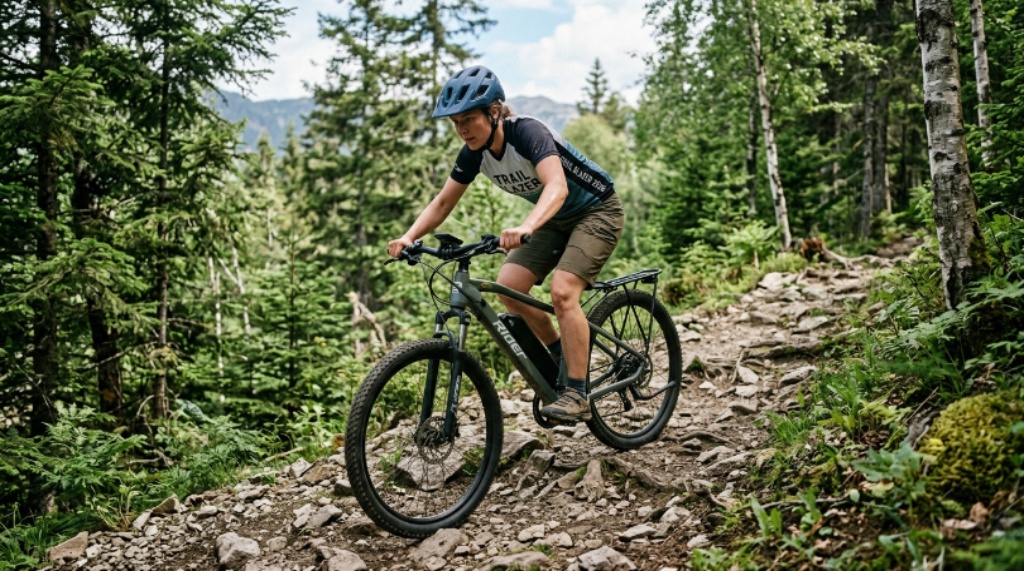
Electric mountain bikes have changed the way people ride. Hills feel easier. Trails feel more accessible. Longer rides become possible for more people. However, one thing has always stood in the way for many riders — the price tag.
The good news is that the market has shifted. You no longer need to spend thousands to get a capable electric mountain bike. A cheap e-bike for adults has become a realistic option, and many budget models now deliver the kind of performance that was once reserved for premium builds.
This guide will help you find the right bike. It covers what to look for, what to avoid, and how to shop smart so you get real value for your money.
Why Electric Mountain Bikes Have Become More Affordable
A few years ago, electric mountain bikes were considered a luxury. The technology was expensive to produce, and brands passed that cost directly to the consumer. Therefore, most riders on a tight budget were simply priced out of the market.
That has changed significantly. Battery technology has improved and become cheaper to manufacture. More brands have entered the space, which has increased competition and driven prices down. Additionally, components that once featured only on high-end models are now available at lower price points.
Today, a capable electric mountain bike can be found for well under $2,000. Some solid options sit even below $1,500. The key is knowing which features matter most and which ones you can live without.
Understanding What Makes an Electric Mountain Bike Perform Well
Performance on the trail comes down to a handful of core components. Understanding these will help you evaluate any bike you consider, regardless of price.
Motor Power and Placement
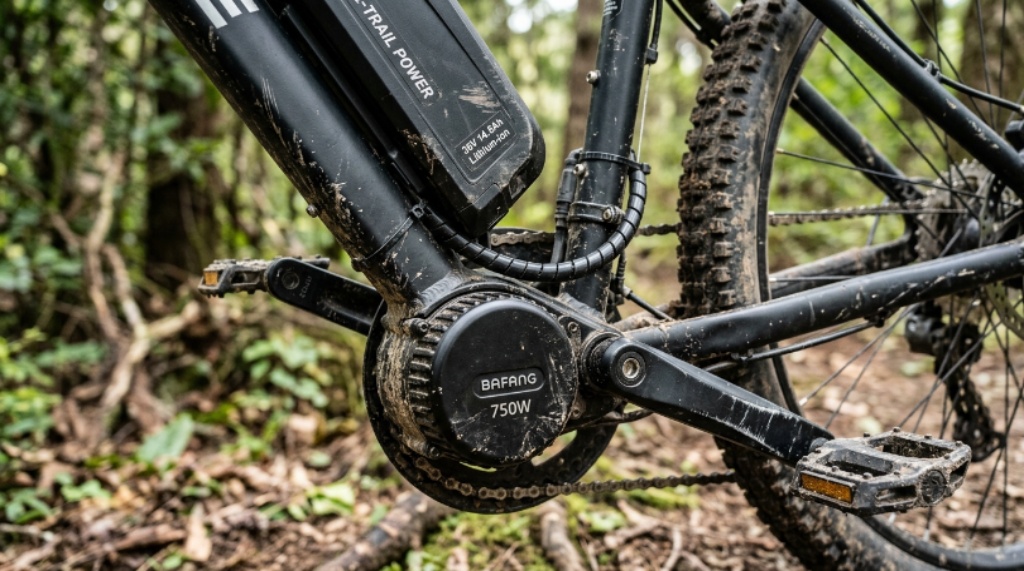
The motor is the heart of any electric bike. Most electric mountain bikes use motors rated between 250 watts and 750 watts. For trail riding, a 500-watt or 750-watt motor gives you enough power to handle steep climbs and loose terrain.
Motor placement also matters. Hub motors sit in the rear or front wheel and are common on entry-level bikes. Mid-drive motors sit at the center of the frame near the pedals. Mid-drive motors offer better weight distribution and a more natural riding feel. However, they tend to cost more to produce, so hub motors are more common in budget builds.
If a budget bike includes a mid-drive motor, that is a genuine bonus. If it comes with a rear hub motor, that is still perfectly capable for most trail riders.
Battery Capacity and Range
Battery capacity is measured in watt-hours (Wh). A larger number means more energy stored and, therefore, more range per charge. For mountain biking, look for a battery with at least 400Wh. This gives you enough range for most trail sessions without constant recharging.
Keep in mind that range varies based on terrain, rider weight, assist level used, and temperature. A bike rated for 50 miles of range on flat ground may deliver only 20 to 30 miles on hilly trails. Additionally, battery quality matters as much as capacity. Look for bikes that use cells from reputable manufacturers such as Samsung, LG, or Panasonic.
Frame Material and Geometry
The frame holds everything together and shapes how the bike handles. Aluminum alloy frames are the standard choice for budget electric mountain bikes. They are light enough for trail use, strong enough to handle rough terrain, and much more affordable than carbon fiber.
Frame geometry determines how the bike feels on the trail. A slack head angle makes the bike more stable at speed on descents. A steeper angle makes it more agile and easier to climb. Most trail-oriented builds aim for a middle ground that works well in both situations.
Suspension Setup
Suspension absorbs bumps and keeps the wheels in contact with the ground. Electric mountain bikes come in two main setups.
Hardtail bikes have front suspension forks but no rear suspension. They are simpler, lighter, and less expensive to maintain. For most riders exploring mild to moderate trails, a hardtail is more than enough.
Full-suspension bikes have both front and rear suspension. They handle rough terrain better and are more comfortable on long descents. However, they cost more and require more maintenance. At the budget end of the market, a quality hardtail usually outperforms a poorly built full-suspension bike.
Features You Can Afford to Compromise On
When shopping for a low-cost electric bicycle, you will likely need to make some trade-offs. Knowing which compromises are acceptable helps you spend your money wisely.
Display quality is one area where budget bikes often cut costs. A basic LCD display that shows speed, battery level, and assist mode is all you really need. Fancy color touchscreens are nice but not essential.
Component branding is another area. Premium bikes often feature name-brand groupsets from Shimano or SRAM. Budget bikes may use lesser-known components. However, as long as the brakes and gears function reliably, the lack of a famous logo does not affect your ride in any meaningful way.
Finishing details like cable routing, paint quality, and accessory mounts can also differ on budget models. These are cosmetic or minor convenience differences. They do not affect core performance on the trail.
Red Flags to Watch for When Shopping at Lower Price Points
Not every budget bike is a good deal. Some are genuinely poor products that will cause problems quickly. Here is what to watch for.
Suspiciously low prices are the first warning sign. A brand-new electric mountain bike offered for under $800 should raise questions. At that price, corners have almost certainly been cut on the motor, battery, or frame in ways that will affect safety and longevity.
Vague product descriptions are another red flag. Trustworthy brands clearly state motor wattage, battery capacity in watt-hours, frame material, and component brands. If a listing avoids specific numbers, that usually means the specs are not worth sharing.
Additionally, poor customer support and limited warranty coverage suggest a brand that does not stand behind its product. Look for bikes that come with at least a one-year warranty on the frame and electrical components.
Where to Find the Best Budget Electric Mountain Bikes
Knowing where to shop is just as important as knowing what to buy. There are several reliable options worth exploring.
Established online retailers like REI, Backcountry, and Chain Reaction Cycles carry a curated range of electric mountain bikes at various price points. Buying from a reputable retailer gives you access to customer service, easy returns, and accurate product information.
Direct-to-consumer brands have become an excellent source of value. Companies like Ride1UP, Lectric, and Aventon sell bikes directly through their websites. By cutting out the middleman, they can offer higher-spec bikes at lower prices than traditional retail. Therefore, these brands often represent some of the best value in the budget segment.
Local bike shops sometimes carry entry-level electric mountain bikes, and buying in person has real advantages. You can test the bike before buying, get a professional fit, and build a relationship with a mechanic who can service the bike later.
Used bikes are also worth considering. The electric bike market has grown rapidly, which means there are many nearly-new bikes available secondhand. Platforms like Facebook Marketplace, Craigslist, and Pinkbike’s buy-and-sell section are good places to search. However, always inspect a used electric bike carefully and, if possible, take it for a test ride before purchasing.
How to Get the Most Out of a Budget Electric Mountain Bike
Buying the right bike is only the first step. How you maintain and use it determines how long it lasts and how well it performs.
Keep the battery charged properly. Avoid letting it drain completely before recharging, and do not store it at full charge for extended periods. Keeping it between 20 and 80 percent charge when not in use extends battery life significantly.
Clean the bike regularly, especially after muddy trail rides. Dirt and grit can wear down the drivetrain quickly. Additionally, check the brake pads frequently, as electric mountain bikes are heavier than regular bikes and put more strain on the braking system.
Learn to use the assist modes wisely. Using the highest assist level constantly drains the battery fast. Using a moderate assist level on flat or rolling terrain and saving the highest level for steep climbs will extend your range on every ride.
Conclusion
Finding a budget electric mountain bike without sacrificing performance is absolutely achievable. The market in 2026 offers more capable options at lower prices than ever before. Focus on motor power, battery capacity, frame quality, and suspension setup when evaluating any bike. Know which trade-offs are acceptable and which red flags to avoid.
Shop from reputable retailers and direct-to-consumer brands for the best value. Consider used bikes as a serious option. And once you have your bike, take care of it properly to get the most out of every ride.
A cheap e-bike for adults does not have to mean a compromise-filled experience. With the right research and a clear sense of your priorities, you can find a bike that performs well on the trail and fits comfortably within your budget.
Frequently Asked Questions
What is a reasonable budget for an electric mountain bike that actually performs well?
Most riders can find a genuinely capable electric mountain bike between $1,000 and $2,000. Below $1,000, quality starts to drop noticeably. Above $2,000, you begin to see premium components and features that offer meaningful improvements for serious riders.
Is a hub motor or a mid-drive motor better for trail riding?
Mid-drive motors offer better balance and a more natural pedaling feel, making them the preferred choice for technical trails. However, hub motors are reliable and more than adequate for most recreational trail riders. At budget price points, a good hub motor is often the smarter trade-off.
How far can a budget electric mountain bike travel on one charge?
Real-world range on trails typically falls between 20 and 40 miles depending on terrain, rider weight, and assist level. Bikes with batteries above 400Wh generally offer more consistent range for trail use.
Are budget electric mountain bikes safe to ride on rough trails?
Yes, as long as the frame is made from quality aluminum alloy and the brakes are hydraulic or high-quality mechanical disc brakes. Always check the bike’s rated load capacity and inspect it before each ride.
What is the best way to find a reliable low-cost electric bicycle without getting scammed?
Buy from established retailers or well-reviewed direct-to-consumer brands. Read independent reviews from cycling publications and user communities. Avoid listings with vague specs, no warranty information, or prices that seem too good to be true.