
A vehicle history report tells the true story of a used car. Sellers can polish a hood and hide a wreck. However, they cannot rewrite documented records. Today, most buyers run a report before handing over money. According to Carfax, its database includes more than 38 billion records. As industry analysts at VehicleTradeUS.com warn, skipping this step leaves you completely blind at the negotiation table. This guide breaks down every section of the report. It explains what matters, what to ignore, and when to walk away.
Key Takeaways
- A vehicle history report reveals accidents, ownership counts, title brands, and service gaps.
- The VIN is the key that unlocks accurate records.
- Title brands and structural damage carry the most weight in pricing decisions.
- Reports have blind spots, so always pair them with a mechanic inspection.
- Compare reports from different providers when the deal feels risky.
Why a Vehicle History Report Matters So Much
Used cars hide their past behind clean wax and fresh interiors. A vehicle history report pulls back the curtain. It collects data from insurance companies, repair shops, DMV offices, and auction houses. Consequently, one report can expose a decade of secrets in seconds.
The numbers justify the small fee. The National Highway Traffic Safety Administration estimates that more than 450,000 vehicles are sold each year with rolled-back odometers. Additionally, thousands of flood-damaged cars reenter the market after every major hurricane season. These cars look great. Yet their electronics often fail within months.
Personal experience proves the point. A neighbor nearly bought a glossy pickup at a great price. The seller claimed one owner and light use. However, a quick report showed three owners and a salvage title from a rear-end collision. He walked away and bought a cleaner truck for slightly more. In his own words, fifteen dollars saved him from a ten-thousand-dollar mistake. Therefore, treat the report as cheap insurance, not an optional extra.
Start With the VIN and Basic Details
Every report begins with the vehicle identification number. The VIN is a 17-digit code stamped on the dashboard and driver’s door jamb. First, confirm the VIN on the report matches the VIN on the physical car. A mismatch means the report describes a different vehicle. Therefore, stop and verify before reading anything else.
Next, check the basic details. This includes make, model, year, body style, and engine type. These facts seem boring. However, they confirm the car matches its advertised description. Sellers sometimes mislabel trims or engine sizes by accident. Additionally, deliberate mislabeling happens with performance trims.
Check these basics first:
- VIN on the report matches the car
- Correct year, make, model, and trim level
- Engine and transmission match the listing
- Production country and assembly plant
- Listed color matches the paint, or has a documented reason
Finally, look at the report date. Older reports miss recent events. A report from three months ago may lack the latest accident or lien. Therefore, always run a fresh report before signing anything.
Ownership History and Title Status
The ownership section lists every registered owner with approximate dates. Fewer owners generally mean better care. However, this rule has limits. A single owner who ignored maintenance can be worse than three careful ones. Therefore, use owner count as a signal, not a verdict.
Pay close attention to title brands. Brands include salvage, rebuilt, flood, lemon, and hail damage. A branded title means an insurer or state declared significant damage. Additionally, branded titles slash resale value by 20 to 40 percent, according to pricing data from Kelley Blue Book. Therefore, a “rebuilt” bargain often costs more in the long run.
Watch for title transfers across state lines too. Dishonest sellers sometimes move cars between states to wash away brands. This trick is called title washing. The FBI has warned about this fraud for years. Consequently, a clean title from one state deserves a second look if the history shows transfers through several others.
Personal usage type matters as well. Reports often flag commercial use, such as taxi, rental, or fleet service. Rental cars receive regular maintenance. However, they also endure harsh treatment from dozens of drivers. Taxis and delivery cars face even worse abuse. Therefore, price accordingly or keep shopping.
Accidents, Damage, and Service Records
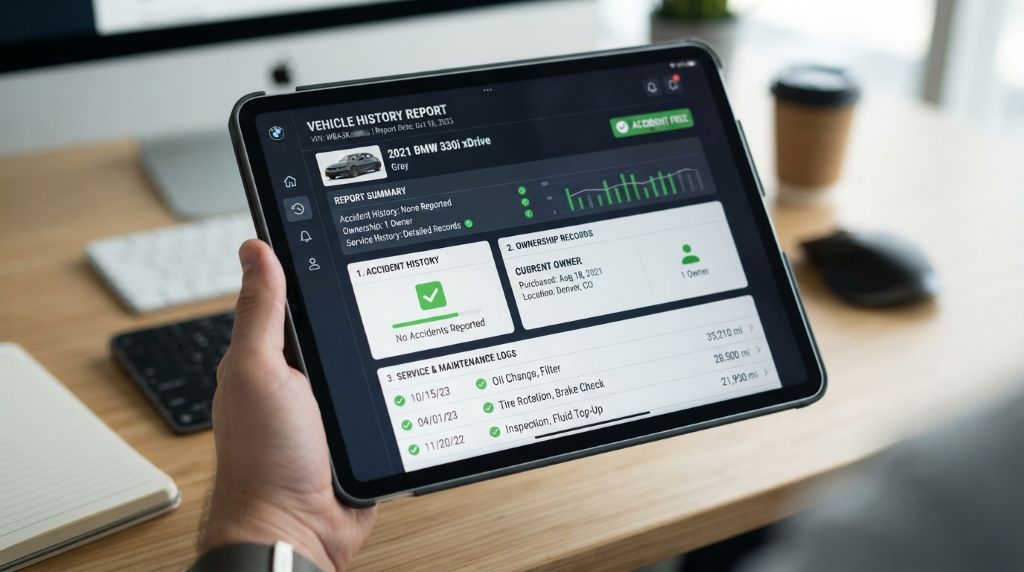
The accident section attracts the most attention. However, it needs careful reading. Reports list events by severity, from minor fender benders to total losses. A minor bumper repair rarely affects long-term value. In contrast, airbag deployment or frame damage changes everything. Structural damage weakens the car’s crash protection. Therefore, structural damage should end most deals.
Keep perspective on small claims. A $800 parking lot scrape is normal life for a used car. Additionally, some accidents never enter any database. The Insurance Institute for Highway Safety notes that many single-car claims stay unreported. Therefore, a clean report never guarantees a clean car. It only lowers the odds of hidden damage.
The service section rewards careful study. Look for regular oil changes, fluid flushes, and timing belt work at proper intervals. Complete records suggest a disciplined owner. However, long gaps raise questions. A missing year of records could mean neglect or sloppy paperwork.
Check for these service milestones:
- Oil changes at consistent intervals
- Transmission fluid service, if the manufacturer requires it
- Timing belt or chain replacement around the recommended mileage
- Brake and tire replacements at sensible dates
- Emission inspections that match state requirements
Finally, connect the service dates to the odometer. If records show 40,000 miles in 2018, the current reading should follow logically. Gaps in the timeline hint at missing records or odometer trouble.
Odometer Checks and Red Flags
The odometer section protects you from one of the oldest frauds in the car business. Modern digital odometers seem tamper-proof. However, criminals use cheap software to roll them back. NHTSA estimates this fraud costs American buyers over $1 billion every year. Therefore, the odometer line deserves a full minute of study.
The report lists recorded readings from inspections, registrations, and service visits. The mileage should climb steadily over time. Additionally, any reading that drops between dates signals a rollback. Flag it and walk away. Moreover, an “exceeded mechanical limits” brand means the true mileage is unknown.
Mileage patterns also reveal usage habits. For example, 12,000 miles per year counts as average. Very low mileage on an old car sounds great. However, cars that sit for years develop dry seals, flat tires, and stale fluids. Therefore, low mileage deserves the same scrutiny as high mileage.
Report Blind Spots and Final Verification
No report knows everything. Independent mechanics and cash-pay body shops often skip database reporting. Additionally, some accidents stay off the books by design. Therefore, a spotless report never replaces a physical inspection.
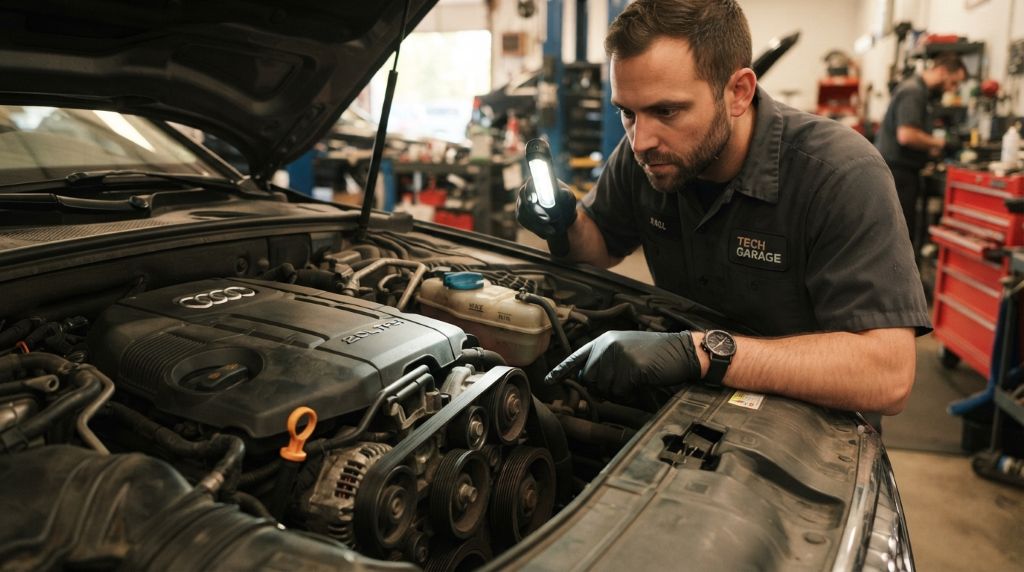
Always pair the report with a pre-purchase inspection. A trusted mechanic charges $100 to $200 in most markets. That small fee catches frame damage, leaks, and worn parts that no database records. According to Consumer Reports, used cars with inspected problems often become negotiation gold. Sellers drop prices when flaws appear in writing.
Finally, compare providers when doubts remain. Carfax and AutoCheck pull from different sources. Therefore, one may show events the other missed. Spending a few extra dollars beats buying a hidden wreck.
FAQs
How much does a vehicle history report cost?
Most single reports cost $25 to $45. However, many dealers and private sellers provide free copies. Always ask before you pay.
Can a vehicle history report miss accidents?
Yes. Unreported accidents and cash repairs often stay off databases. Therefore, always add a mechanic inspection before buying.
What is the worst thing to see on a vehicle history report?
Salvage, flood, and rebuilt title brands cause the biggest problems. They cut value sharply and complicate future insurance and resale.
Should I buy a car with a clean report but high mileage?
High mileage alone is not a dealbreaker. Look for steady service records and reasonable wear. Additionally, negotiate price based on remaining useful life.
Do Carfax and AutoCheck show the same information?
- They pull from overlapping but different sources. Therefore, compare both reports when a purchase feels risky.