
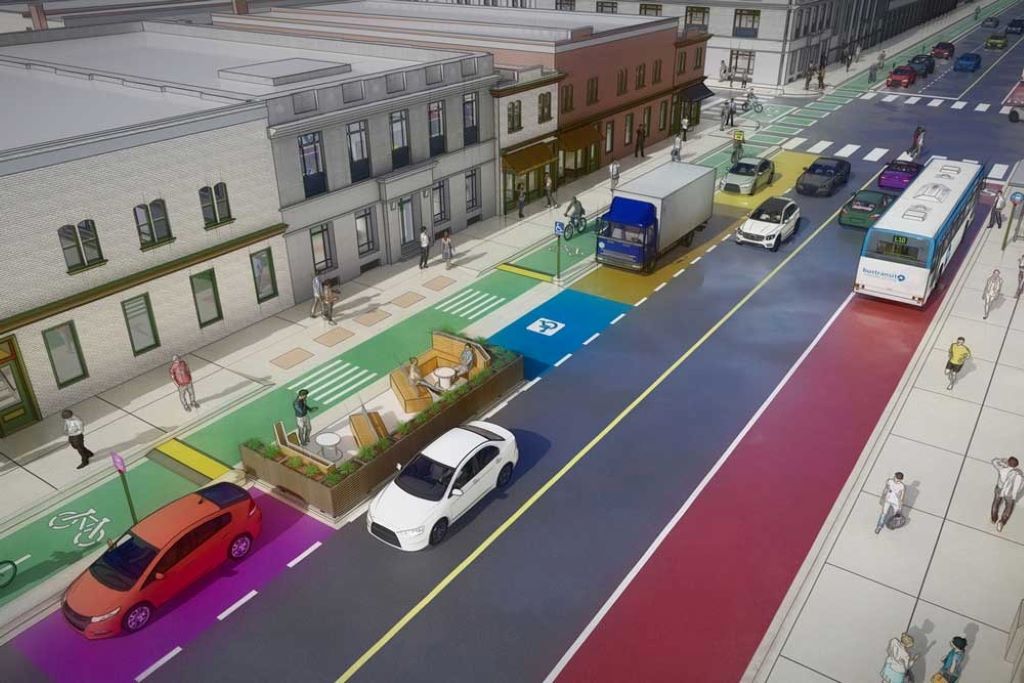
Cities worldwide face mounting pressure to optimize limited street space while accommodating diverse transportation needs. Curbspace management has emerged as a critical urban planning challenge that affects traffic flow, economic vitality, and quality of life. Smart allocation strategies help municipalities maximize efficiency without massive infrastructure investments. Transportation companies like Wanna Taxi recognize how effective curbspace policies directly impact service delivery and urban mobility patterns.
Urban planners increasingly recognize curbspace as valuable real estate that requires strategic management. Traditional approaches often fail to address the complex interplay between parking, loading zones, transit stops, and emerging mobility services. However, innovative low-cost solutions can transform how cities utilize these critical linear assets.
The evolution of modern transportation systems demands flexible curbspace policies that accommodate ride-sharing, micro-mobility, and delivery services alongside traditional parking needs. Therefore, cities must adopt comprehensive strategies that balance competing demands while maintaining economic accessibility for implementation.
Understanding Curbspace Dynamics
The Economic Value of Curb Real Estate
Curbspace represents some of the most valuable real estate in urban environments. Each linear foot of curb can generate significant economic activity through parking fees, loading zone permits, and transit operations. Additionally, efficient curbspace utilization supports local businesses by facilitating customer access and deliveries.
Research shows that well-managed curbspace can increase property values and stimulate commercial activity. Conversely, poor management creates congestion, reduces accessibility, and diminishes neighborhood attractiveness. Therefore, cities must view curbspace as an asset requiring strategic investment and management.
The economic impact extends beyond direct revenue generation. Efficient curbspace management reduces travel times, improves air quality, and enhances pedestrian safety. However, quantifying these broader benefits requires comprehensive analysis of usage patterns and community needs.
Competing Demands and Stakeholder Interests
Modern curbspace serves multiple functions simultaneously, creating complex management challenges. Residents need parking access, businesses require loading zones, transit systems need dedicated stops, and emerging mobility services demand pickup areas. Additionally, pedestrians and cyclists compete for safe passage and storage space.
Each stakeholder group has legitimate needs that must be balanced through thoughtful policy design. Traditional first-come, first-served approaches no longer suffice in dense urban environments. However, completely eliminating any single use often creates unintended consequences elsewhere in the transportation system.
Successful curbspace management requires ongoing dialogue between city officials, residents, business owners, and transportation providers. Regular stakeholder meetings help identify emerging needs and adjust policies accordingly. Therefore, flexibility and responsiveness become key characteristics of effective management strategies.
Technology-Enabled Solutions
Digital Parking Management Systems
Smart parking meters and mobile payment applications provide cost-effective tools for dynamic curbspace management. These systems enable real-time pricing adjustments based on demand patterns and occupancy rates. Additionally, digital platforms provide valuable data for policy refinement and long-term planning.
Variable pricing strategies encourage turnover in high-demand areas while maintaining affordable options during off-peak periods. Time-of-day restrictions can prioritize different uses throughout daily cycles. However, implementation requires careful consideration of equity impacts and community acceptance.
Mobile applications streamline the parking experience while providing cities with detailed usage analytics. Real-time availability information reduces circling behavior that contributes to congestion. Therefore, technology solutions offer both immediate operational improvements and long-term planning insights.
Data-Driven Policy Making
Modern sensor technology and mobile data provide unprecedented insights into curbspace utilization patterns. Occupancy sensors, traffic counters, and smartphone location data reveal how different areas are actually used throughout various time periods. Additionally, this information helps identify underutilized spaces that could serve other functions.
Analytics platforms can process large datasets to identify trends and predict future needs. Machine learning algorithms optimize space allocation based on historical patterns and real-time conditions. However, cities must balance efficiency gains with privacy concerns and community input.
Regular data analysis enables evidence-based policy adjustments rather than relying on anecdotal complaints or political pressure. Performance metrics help demonstrate the effectiveness of management strategies to stakeholders and elected officials. Therefore, data-driven approaches build credibility and support for innovative policies.
Zone-Based Management Approaches
Creating Functional Districts
Dividing cities into distinct curbspace management zones allows tailored approaches that reflect local needs and characteristics. Commercial districts prioritize short-term parking and loading access, while residential areas emphasize longer-term parking for residents. Additionally, mixed-use areas require flexible policies that adapt throughout daily cycles.
Zone-based management enables targeted interventions without citywide policy changes that might be inappropriate for certain areas. Local business districts can experiment with innovative approaches while residential neighborhoods maintain familiar systems. However, zone boundaries must be clearly defined and consistently enforced.
Successful zoning strategies consider pedestrian movement patterns, public transit access, and local economic activities. Regular community input ensures that zone policies reflect actual usage needs rather than theoretical planning assumptions. Therefore, bottom-up feedback improves top-down policy design.
Time-Based Use Allocation
Temporal zoning maximizes curbspace efficiency by allocating different functions throughout daily and weekly cycles. Morning hours might prioritize commuter parking and transit operations, while midday periods focus on commercial loading and customer access. Additionally, evening allocations can support dining and entertainment activities.
Rush hour restrictions prevent long-term parking from blocking transit and delivery operations during peak demand periods. Weekend policies can differ from weekday approaches to accommodate recreational activities and different travel patterns. However, frequent changes require clear signage and public education campaigns.
Time-based systems work best when aligned with actual activity patterns rather than arbitrary schedules. Regular monitoring ensures that time restrictions match real usage needs and adjust as neighborhoods evolve. Therefore, flexible temporal policies adapt to changing urban dynamics.
Community Engagement Strategies
Stakeholder Consultation Processes
Effective curbspace management requires ongoing dialogue with affected communities. Regular public meetings provide forums for discussing proposed changes and gathering feedback on existing policies. Additionally, online platforms enable broader participation from residents who cannot attend in-person sessions.
Business association partnerships help ensure that commercial needs are considered in policy development. Loading zone requirements vary significantly between different business types, and local input improves policy effectiveness. However, balancing competing business interests requires skilled facilitation and compromise.
Resident surveys and focus groups provide insights into parking behavior and community priorities. Understanding why people make certain transportation choices helps design policies that encourage desired behaviors. Therefore, community engagement improves both policy design and public acceptance.
Building Public Support
Successful curbspace management changes require community buy-in to ensure compliance and long-term sustainability. Educational campaigns explain policy rationales and expected benefits to build support for new approaches. Additionally, pilot programs allow communities to test changes before committing to permanent implementations.
Transparent communication about policy goals and expected outcomes helps address concerns and misconceptions. Regular progress updates demonstrate policy effectiveness and build trust in city management capabilities. However, acknowledging problems and making adjustments shows responsiveness to community feedback.
Success stories from similar communities provide models and reassurance about proposed changes. Site visits and peer exchanges help community leaders understand potential benefits and implementation challenges. Therefore, learning from others’ experiences accelerates local acceptance and implementation.
According to the Urban Institute, cities that invest in comprehensive curbspace management see significant improvements in traffic flow and economic activity within two years of implementation.
Low-Cost Implementation Tactics
Paint and Sign Solutions
Simple paint and signage changes can dramatically improve curbspace functionality without major infrastructure investments. Color-coded curb painting helps distinguish different use zones and improves compliance with regulations. Additionally, clear signage reduces confusion and enforcement burden.
Temporary installations allow cities to test new configurations before making permanent changes. Removable bollards and portable signs enable flexible responses to changing conditions or special events. However, temporary solutions require more frequent maintenance and replacement.
Community volunteer programs can help implement simple improvements while building stakeholder investment in successful outcomes. Local groups often provide labor for painting and sign installation projects. Therefore, volunteer engagement reduces costs while building community ownership.
Pilot Program Development
Small-scale pilot programs provide opportunities to test innovative approaches with limited risk and investment. Single-block demonstrations allow cities to evaluate new policies and make adjustments before broader implementation. Additionally, pilots generate valuable data and lessons learned for scaling successful approaches.
Short-term pilots reduce political risk by avoiding permanent commitments to unproven strategies. Six-month test periods provide sufficient data while allowing quick reversals if problems emerge. However, pilot durations must be long enough to capture seasonal variations and behavioral adaptations.
Pilot program documentation helps other cities learn from both successes and failures. Detailed reporting on implementation challenges, costs, and outcomes accelerates knowledge sharing across municipalities. Therefore, pilot investments benefit broader urban planning communities.
Partnership and Collaboration Models
Public-private partnerships can reduce implementation costs while accessing specialized expertise and technology. Parking management companies, transportation network providers, and technology vendors often contribute resources in exchange for operational opportunities. Additionally, partnerships can provide ongoing maintenance and customer service capabilities.
Inter-agency collaboration within city government reduces duplicated efforts and improves policy coordination. Transportation, planning, economic development, and public works departments must work together for comprehensive curbspace management. However, coordination requires dedicated staff time and clear communication protocols.
Regional cooperation enables shared resources and coordinated policies across municipal boundaries. Metropolitan transportation authorities can facilitate regional approaches to curbspace management. Therefore, collaboration multiplies limited resources while improving overall system effectiveness.
Measuring Success and Performance
Key Performance Indicators
Effective curbspace management requires clear metrics to evaluate policy success and guide ongoing improvements. Occupancy rates, turnover frequency, and revenue generation provide quantitative measures of space utilization efficiency. Additionally, user satisfaction surveys capture qualitative impacts on community experience.
Traffic congestion measures help assess broader transportation system impacts of curbspace policies. Reduced circling behavior and improved traffic flow demonstrate successful space allocation strategies. However, isolating curbspace impacts from other traffic influences requires careful analysis.
Economic indicators like business revenue, property values, and commercial activity levels show broader community benefits of effective curbspace management. Pedestrian counts and safety statistics provide additional measures of policy success. Therefore, comprehensive measurement systems capture multiple dimensions of performance.
Continuous Improvement Processes
Regular policy review cycles ensure that curbspace management strategies adapt to changing conditions and emerging needs. Annual assessments provide opportunities to adjust pricing, time restrictions, and space allocations based on performance data. Additionally, ongoing monitoring identifies problems before they become critical.
Feedback mechanisms enable rapid responses to operational issues and community concerns. Online reporting systems and mobile applications allow users to report problems and suggest improvements. However, response systems must be adequately staffed to maintain credibility and user engagement.
Best practice research and peer learning help cities stay current with innovative approaches and emerging technologies. Professional associations and academic partnerships provide access to cutting-edge research and implementation guidance. Therefore, continuous learning improves policy effectiveness and community outcomes.
Integration with Broader Transportation Planning
Multimodal Coordination
Effective curbspace management must integrate with broader transportation planning to optimize system-wide performance. Transit-oriented development principles prioritize space allocation that supports public transit, walking, and cycling over single-occupancy vehicle storage. Additionally, coordination with regional transportation authorities ensures consistent policies across jurisdictional boundaries.
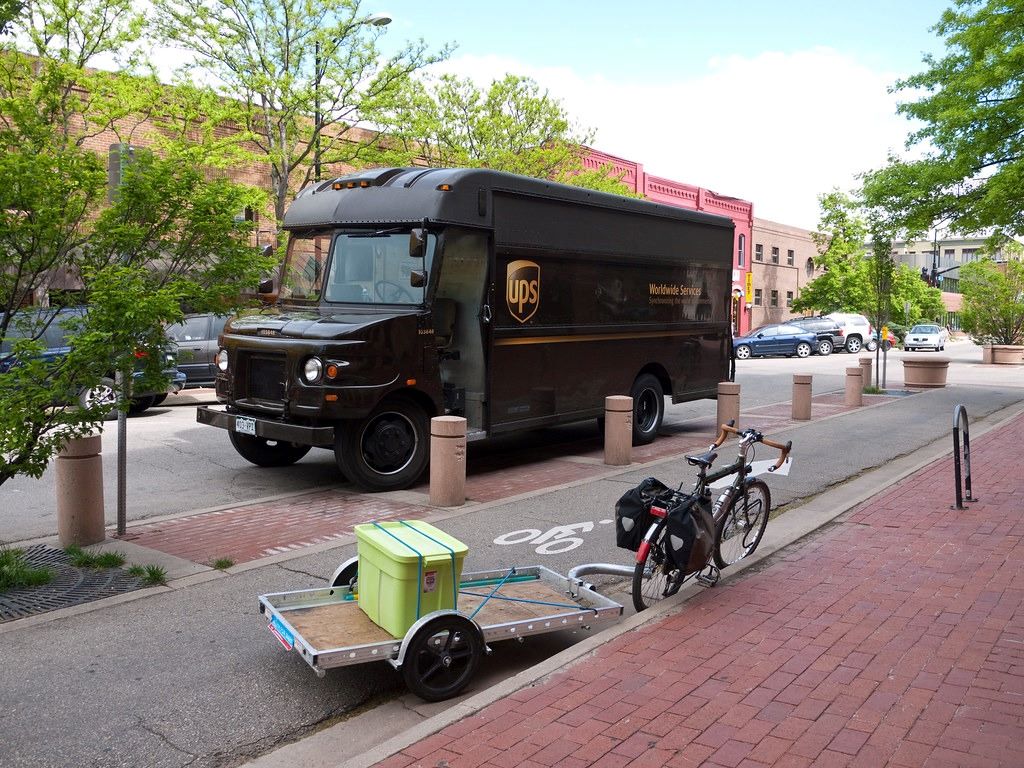
Bike-share and scooter-share programs require dedicated curbspace for vehicle storage and user access. Integration with these emerging mobility services can reduce overall parking demand while providing alternative transportation options. However, regulation and management of shared mobility requires ongoing attention and policy adjustment.
Electric vehicle charging infrastructure represents a growing curbspace demand that requires forward-thinking allocation strategies. Charging stations need longer dwell times than traditional parking, affecting turnover rates and space availability. Therefore, EV infrastructure planning must consider broader curbspace management goals.
Land Use and Development Impacts
Curbspace management policies significantly influence local development patterns and land use decisions. Reduced parking requirements can enable more intensive development while lowering housing costs. Additionally, improved curbspace management can make areas more attractive for commercial investment and redevelopment.
Transit-oriented development benefits from effective curbspace management that prioritizes non-automobile transportation modes. Strategic space allocation can encourage walking, cycling, and transit use while reducing automobile dependency. However, policy changes must consider existing resident needs and transportation patterns.
According to The New York Times, cities implementing comprehensive curbspace management report increased commercial activity and improved quality of life within three years of policy implementation.
Long-term planning processes must anticipate how curbspace needs will evolve with changing demographics, technology, and transportation preferences. Autonomous vehicles, drone deliveries, and other emerging technologies will create new demands on curbspace resources. Therefore, flexible policies and infrastructure investments prepare cities for uncertain futures.
Conclusion
Low-cost curbspace management strategies offer cities practical approaches to optimize limited street space resources without massive infrastructure investments. Technology-enabled solutions, zone-based management, and community engagement create comprehensive frameworks for balancing competing demands. Additionally, pilot programs and partnerships provide accessible pathways for implementation and continuous improvement.
Success requires understanding curbspace as valuable real estate that generates economic activity and supports community vitality. Data-driven decision making, stakeholder engagement, and performance measurement ensure that policies achieve intended outcomes while maintaining community support. However, effective implementation demands ongoing attention and adaptive management approaches.
Key strategies include digital payment systems, time-based use allocation, community consultation processes, and regional collaboration models. These approaches maximize efficiency while maintaining affordability and accessibility for diverse user groups. Therefore, comprehensive curbspace management contributes to broader urban sustainability and livability goals.
Frequently Asked Questions
How much does it typically cost to implement comprehensive curbspace management? Initial implementation costs range from $50,000 to $200,000 for small cities, depending on technology choices and scope. However, revenue generation often covers costs within 18-24 months while providing ongoing operational funding for system maintenance and improvements.
What are the most effective low-cost technologies for curbspace management? Mobile payment applications, smart parking meters, and basic occupancy sensors provide the best cost-benefit ratios for most cities. Additionally, simple paint and signage improvements deliver immediate benefits with minimal investment requirements.
How do cities balance resident parking needs with commercial and transit demands? Successful cities use time-based allocation strategies that prioritize residential parking during evening hours while supporting commercial activities during business hours. Therefore, temporal zoning maximizes space utilization while serving multiple stakeholder groups.
What role does community engagement play in successful curbspace management? Community engagement is essential for building support and ensuring policy compliance. Regular stakeholder meetings, pilot programs, and transparent communication help address concerns while incorporating local knowledge into policy design. Additionally, engaged communities often provide volunteer support for implementation activities.
How long does it typically take to see results from new curbspace management policies? Most cities observe initial improvements in space utilization and traffic flow within 3-6 months of implementation. However, full behavioral adaptation and maximum benefits typically require 12-18 months as users adjust to new policies and systems.
Read More:
Beach Bike Tires: A Guide to Sand-Specific Traction and Cruising Comfort