
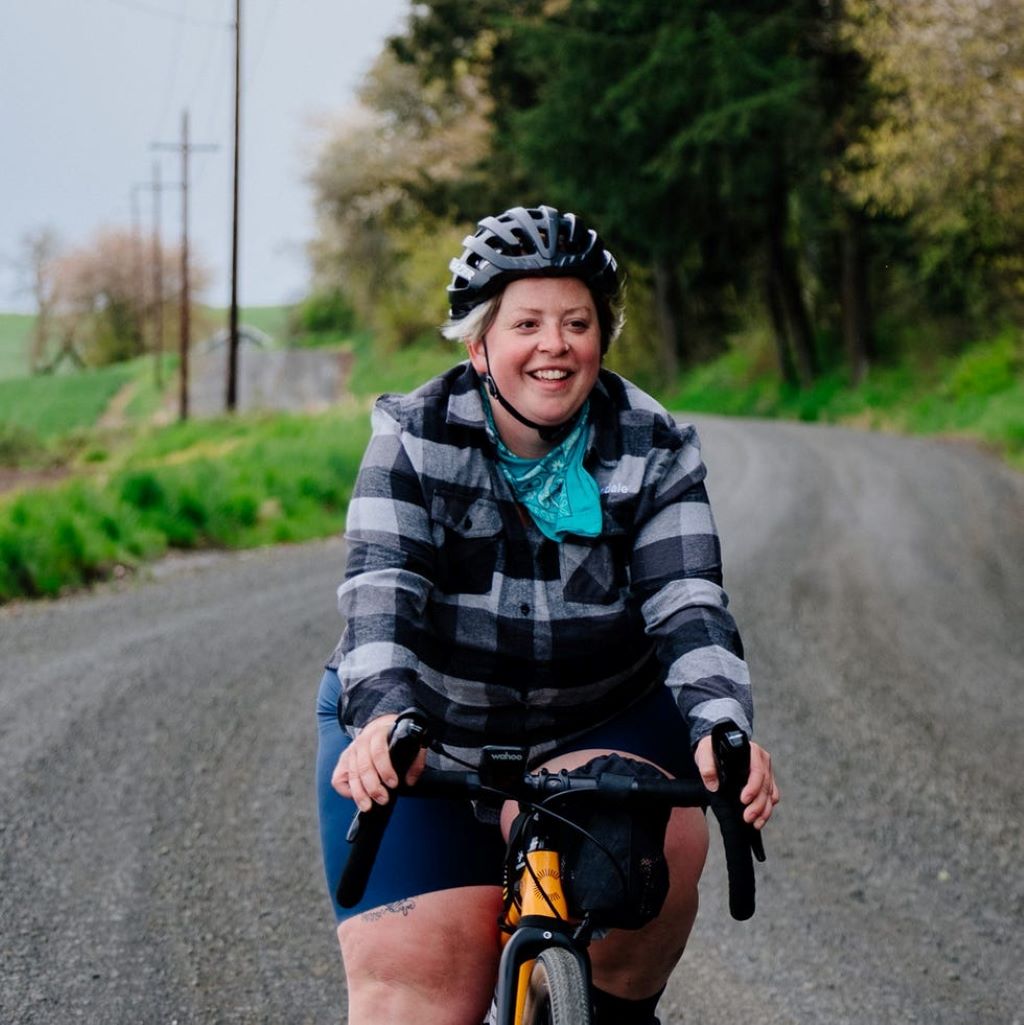
Starting a cycling journey at 50 can feel intimidating, but it’s one of the most rewarding fitness decisions you can make. Many people discover the joy of cycling later in life and find it transforms their health and well-being. According to Cyclist View, cycling provides an excellent low-impact workout that’s gentle on joints while building cardiovascular strength and endurance.
The key to success lies in starting gradually and building your stamina systematically. Your body may not respond as quickly as it did in your twenties, but consistent training will yield remarkable results. Additionally, cycling offers the perfect opportunity to explore your local area while getting fit.
When beginning your cycling adventure, choosing the right routes makes all the difference in building confidence and stamina. Therefore, cycling for beginners at 50 best routes should focus on flat terrain with minimal traffic and well-maintained surfaces. These beginner-friendly paths allow you to focus on developing your endurance without worrying about challenging hills or dangerous road conditions.
Understanding Your Body at 50
Your body undergoes significant changes by age 50 that affect your cycling performance. Muscle mass naturally decreases, and recovery takes longer than it used to. However, this doesn’t mean you can’t build impressive stamina and strength through cycling.
Metabolism slows down, making weight management more challenging. Additionally, joint flexibility may decrease, and cardiovascular efficiency might not be what it once was. Nevertheless, regular cycling can actually reverse many of these age-related changes when approached correctly.
The good news is that cycling is incredibly joint-friendly compared to running or other high-impact activities. Furthermore, your experience and mental discipline at 50 often compensate for any physical limitations you might face.
Creating a Smart Training Plan
Building cycling stamina requires a structured approach that respects your body’s need for recovery. Start with 20-30 minute rides three times per week on relatively flat terrain. Therefore, consistency matters more than intensity in the beginning stages.
Week one should focus entirely on getting comfortable with your bike and developing a rhythm. Additionally, pay attention to proper bike fit and posture to prevent discomfort or injury. Week two can introduce slight increases in duration, adding five minutes to each ride.
By week three, consider adding a fourth ride to your schedule. However, always include at least one full rest day between rides initially. This recovery time allows your muscles to adapt and grow stronger.
Progress gradually by increasing ride duration by 10% each week. Moreover, this conservative approach prevents overuse injuries that could derail your progress. After six weeks, you can start incorporating gentle hills or slight intensity variations.
Proper Equipment and Setup
Investing in the right equipment significantly impacts your comfort and success. A properly fitted bike prevents pain and allows you to focus on building stamina rather than managing discomfort. Therefore, visit a reputable bike shop for professional fitting advice.
Choose a bike style that matches your goals and physical capabilities. Additionally, hybrid bikes offer excellent versatility for beginners, combining comfort with efficiency. Road bikes provide speed but require more aggressive positioning that might not suit everyone.
Essential accessories include a comfortable saddle, proper helmet, and moisture-wicking clothing. Furthermore, consider padded shorts to reduce saddle discomfort during longer rides. Water bottles and basic repair tools complete your essential gear list.
According to Harvard Health Publishing, cycling provides numerous health benefits including improved cardiovascular health, stronger bones, and better mental well-being.
Nutrition and Hydration Strategies
Proper fueling becomes increasingly important as you age and build cycling stamina. Your body needs adequate nutrients to recover from rides and adapt to increasing training loads. Therefore, focus on whole foods that provide sustained energy and support recovery.
Before rides, eat easily digestible carbohydrates 30-60 minutes prior to departure. Additionally, avoid heavy meals that could cause stomach upset during exercise. Bananas, oatmeal, or whole grain toast work well as pre-ride fuel.
During longer rides over 60 minutes, consider bringing snacks or sports drinks. However, water usually suffices for shorter beginner rides. Post-ride nutrition should combine carbohydrates and protein within 30 minutes of finishing to optimize recovery.
Stay hydrated throughout the day, not just during rides. Furthermore, proper hydration supports every aspect of your training and recovery process. Monitor your urine color as a simple hydration indicator.
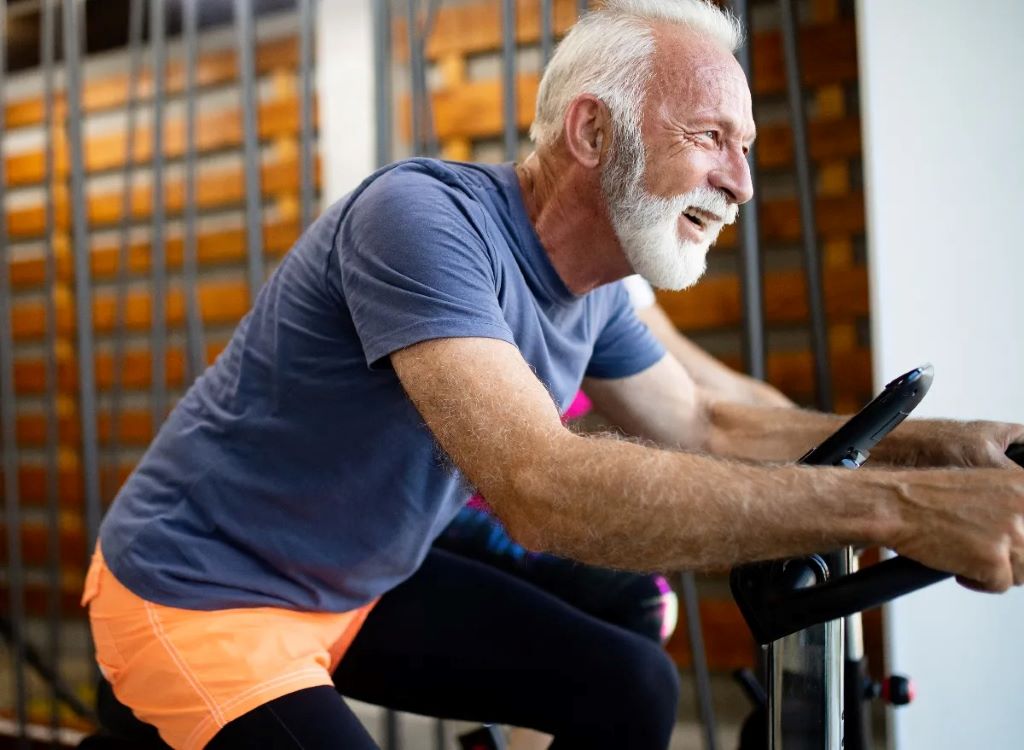
Recovery and Rest Days
Recovery becomes more critical as we age, making rest days essential components of your training plan. Your muscles actually grow stronger during recovery periods, not during the rides themselves. Therefore, respect your body’s need for adequate rest between training sessions.
Active recovery involves light movement like walking or gentle stretching rather than complete inactivity. Additionally, this approach promotes blood flow and helps reduce muscle stiffness. Yoga or swimming can provide excellent active recovery activities.
Sleep quality directly affects your ability to build stamina and recover from training. Furthermore, aim for 7-9 hours of quality sleep nightly to support your cycling goals. Poor sleep undermines training adaptations and increases injury risk.
Listen to your body’s signals and adjust your training accordingly. Moreover, some weeks you might need extra rest days, and that’s perfectly normal. Consistency over months matters more than pushing through when your body needs recovery.
Common Challenges and Solutions
Many cyclists over 50 face similar obstacles when building stamina. Knee pain often results from improper bike fit or pushing too hard too soon. Therefore, address fit issues immediately and progress gradually to avoid overuse injuries.
Time constraints challenge busy adults trying to establish new fitness routines. However, even 20-minute rides provide significant health benefits when done consistently. Additionally, consider cycling for transportation to combine exercise with daily activities.
Weather concerns keep many people indoors, but proper clothing makes cycling enjoyable in various conditions. Furthermore, indoor trainers provide alternatives during extreme weather while maintaining training consistency.
Motivation can wane after initial enthusiasm fades. Therefore, set specific, achievable goals and track your progress to maintain momentum. Additionally, joining local cycling groups provides social support and accountability.
Building Long-Term Success
Sustainable stamina building requires patience and realistic expectations. Your fitness will improve steadily over months rather than weeks, but the results will be lasting and significant. Therefore, celebrate small victories along your journey rather than focusing solely on distant goals.
Variety keeps training interesting and prevents both physical and mental staleness. Additionally, explore different routes, terrains, and cycling styles as your fitness improves. This approach maintains engagement while developing well-rounded cycling abilities.
Regular bike maintenance ensures safe, enjoyable rides that support your training goals. Furthermore, learning basic repair skills increases confidence and independence on longer rides. Most bike shops offer maintenance classes for beginners.
Consider working with a cycling coach or joining structured programs designed for older adults. Moreover, professional guidance can accelerate your progress while minimizing injury risk through proper technique and training progressions.
Conclusion
Building cycling stamina at 50 requires patience, consistency, and smart training approaches. Start with manageable goals and gradually increase your riding duration and intensity over time. Remember that proper equipment, nutrition, and recovery are just as important as the time spent on your bike.
The journey of building cycling stamina later in life offers incredible rewards beyond just physical fitness. You’ll discover new places, meet fellow cyclists, and develop a sustainable form of exercise that can last for decades. Additionally, the mental health benefits and sense of accomplishment make every pedal stroke worthwhile.
Success comes from consistent effort rather than intense bursts of activity. Therefore, focus on creating sustainable habits that fit your lifestyle and support your long-term cycling goals. With dedication and the right approach, you’ll be amazed at how much your stamina and overall fitness can improve.
Frequently Asked Questions
How long does it take to build cycling stamina at 50? Most beginners notice improvements within 4-6 weeks of consistent riding. However, significant stamina gains typically develop over 3-6 months with regular training. Your individual progress depends on starting fitness level, consistency, and training approach.
Should I use a road bike or hybrid bike as a beginner at 50? Hybrid bikes are generally better for beginners over 50 because they offer a more comfortable, upright riding position. Additionally, they’re versatile enough for various terrains and easier to handle than road bikes. Consider your intended use and comfort preferences when choosing.
How often should I ride my bike to build stamina effectively? Start with 3 rides per week, allowing rest days between sessions for recovery. After 6-8 weeks, you can increase to 4 rides weekly if your body responds well. Consistency matters more than frequency, so maintain a schedule you can sustain long-term.
What should I eat before and after cycling at 50? Eat easily digestible carbohydrates 30-60 minutes before riding, such as bananas or oatmeal. After rides, combine carbohydrates and protein within 30 minutes to optimize recovery. Chocolate milk, Greek yogurt with fruit, or a balanced meal work well for post-ride nutrition.
Is it normal to feel tired after starting cycling at 50? Yes, initial fatigue is completely normal as your body adapts to new demands. However, persistent exhaustion or pain indicates you might be pushing too hard. Additionally, ensure you’re getting adequate sleep, nutrition, and recovery time between rides.
Read More: