
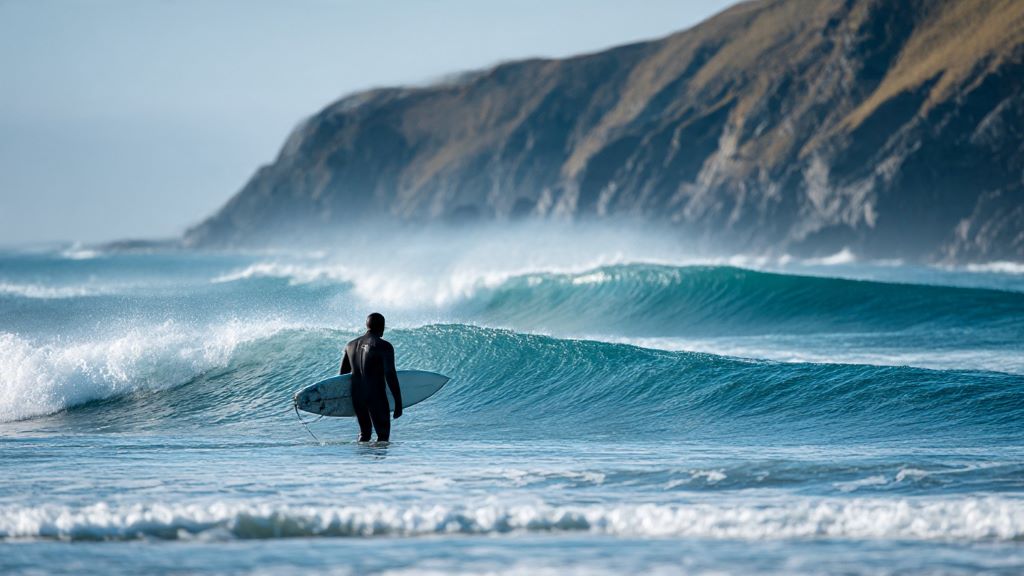
Cold water surfing offers something that tropical destinations rarely can: solitude. While crowds pack the warm water breaks of California and Hawaii, frigid waters hold a special appeal for surfers seeking empty lineups. The thrill of paddling out in sub-60-degree water comes with unique rewards. You’ll discover waves breaking without competition and experience nature in its rawest form. Moreover, investing in quality equipment from Cool Surfing Gear ensures comfort and performance in challenging conditions.
The allure of cold water surfing extends beyond just avoiding crowds. These environments create a meditative experience where the ocean feels entirely yours. Additionally, the surf community in colder regions tends to be tight-knit and welcoming. However, success requires proper preparation and knowledge of where to look.
Why Cold Water Means Empty Waves
Most surfers chase warmth and sunshine. Therefore, cold water destinations naturally filter out casual wave riders. The barrier to entry includes thick wetsuits, booties, gloves, and hoods. Furthermore, harsh weather conditions deter those seeking comfortable sessions. This combination creates opportunities for dedicated surfers willing to embrace the cold.
Exploring surfing secret spots in frigid waters often reveals pristine breaks untouched by tourist crowds. These hidden gems exist along rugged coastlines where few venture during winter months. Consequently, you’ll find yourself riding perfect waves with maybe one or two other surfers nearby.
Cold water regions also receive powerful swells generated by winter storms. These swells travel across vast ocean expanses, creating clean, organized sets. The trade-off for freezing temperatures is often better wave quality and consistency.
Essential Gear for Cold Water Surfing
Proper equipment makes the difference between misery and enjoyment. A high-quality wetsuit rated for your water temperature is non-negotiable. Most cold water surfers wear 5/4mm or 6/5mm suits with sealed seams. Additionally, neoprene boots, gloves, and hoods protect extremities from numbness.
Your surfboard choice matters too. Many cold water surfers prefer slightly more volume for extra paddling power in thick wetsuits. However, board preference remains personal. Some riders stick with their standard shortboards while others opt for fish or mid-length designs.
Invest in quality surf wax formulated for cold water. Regular wax becomes too hard in frigid conditions. Furthermore, consider applying a base coat followed by temperature-appropriate top coat for maximum grip.
Prime Cold Water Surfing Destinations
The Pacific Northwest offers incredible cold water surfing opportunities. Oregon and Washington coastlines feature numerous point breaks and beach breaks with minimal crowds. According to Surfer Magazine, the region receives consistent swells from October through April. Rocky headlands create quality setups that rarely see more than a handful of surfers.
Northern California’s Lost Coast provides true isolation. This remote stretch requires hiking to reach many breaks. Consequently, you’ll often surf alone or with one companion. The reward is pristine waves breaking against dramatic cliffs.
Scotland and Ireland present world-class cold water surfing. These destinations combine powerful Atlantic swells with stunning landscapes. Additionally, the surf culture welcomes travelers seeking authentic experiences away from commercialized breaks.
New England’s coastline hides numerous secret spots. Maine, New Hampshire, and Massachusetts offer quality waves during winter nor’easters. However, water temperatures can drop below 40 degrees, demanding serious commitment.
Reading Cold Water Conditions
Understanding weather patterns helps you score empty lineups. Winter storm systems generate the best swells in cold water regions. Therefore, monitoring weather charts becomes essential. Look for low-pressure systems tracking across the ocean toward your target coastline.
Wind direction dramatically affects wave quality. Offshore winds clean up wave faces and create hollow sections. Additionally, dawn patrol sessions typically offer the calmest conditions before afternoon sea breezes develop.
Tide charts reveal optimal surfing windows. Many cold water breaks work best on specific tide stages. Research local spots to understand whether incoming, outgoing, or mid-tide produces the cleanest waves. Furthermore, some reef breaks only work during low tide while others need high water.
Safety Considerations in Frigid Waters
Cold water surfing carries real risks that warm water surfers never face. Hypothermia can set in quickly if your wetsuit fails or you spend too long in the water. Always surf with a buddy when possible. Moreover, inform someone onshore about your plans and expected return time.
Strong currents and rip tides intensify during winter swells. Study the break before paddling out. Identify channels for easier paddling and safe exit points. Additionally, never surf beyond your ability level in cold water conditions.
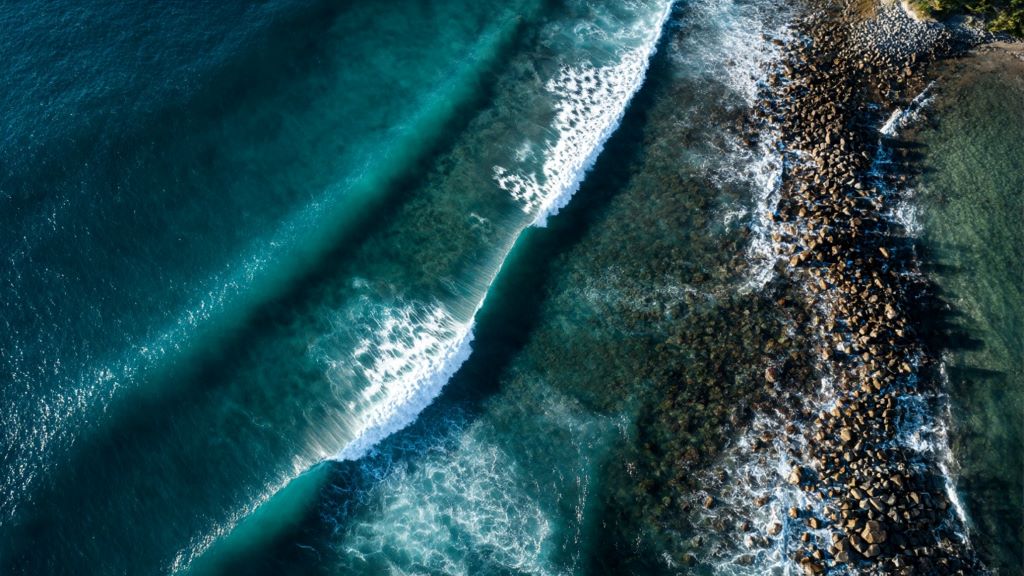
Rocky coastlines present hazards absent from sandy beaches. Sharp rocks, sea urchins, and submerged obstacles require caution. Wear reef booties even at beach breaks for foot protection. Furthermore, plan your entry and exit carefully to avoid getting swept onto rocks.
Finding Your Own Secret Spots
Discovering empty lineups requires exploration and research. Start by studying coastline maps and satellite imagery. Look for features that create good waves: points, reefs, river mouths, and jetties. However, never trespass on private property or ignore local access restrictions.
Talk with local surfers respectfully. Most cold water communities welcome respectful visitors who understand lineup etiquette. Share waves, show humility, and acknowledge the locals who surf these breaks year-round. Additionally, consider hiring a local surf guide for your first sessions in a new area.
Drive coastal roads during different tide and swell conditions. Keep detailed notes about what you observe. Some spots only work during specific combinations of swell direction, size, and tide. Therefore, patience and persistence pay off when hunting secret spots.
The Mental Challenge of Cold Water Surfing
Paddling out into frigid water requires mental toughness. Your body protests initially as cold water seeps against your skin. However, quality wetsuits minimize this shock. Focus on your breathing and stay calm during the transition.
The isolation of empty lineups can feel unsettling at first. Without other surfers nearby, you become more aware of the ocean’s power and unpredictability. This solitude becomes meditative with experience. Additionally, many cold water surfers report deeper connections with nature during solo sessions.
Winter days offer limited daylight for surfing. Therefore, maximizing short weather windows becomes crucial. Check forecasts obsessively and stay flexible with your schedule. The reward is uncrowded waves worth every bit of effort.
Environmental Awareness
Cold water ecosystems are fragile and deserve protection. Always remove trash you find at surf spots, even if it’s not yours. Furthermore, avoid disturbing wildlife like seals, sea lions, and shore birds. These animals share the coastline and deserve respectful distance.
Be mindful of erosion-prone areas. Stick to established trails when accessing remote breaks. Additionally, educate yourself about local environmental concerns and regulations. Some areas restrict access during wildlife breeding seasons for good reason.
Conclusion
Finding empty lineups through cold water surfing delivers unmatched rewards for dedicated wave riders. While tropical destinations offer comfort and consistency, frigid waters provide solitude and pristine conditions. The combination of proper gear, safety awareness, and exploration mindset opens doors to incredible surfing experiences. Moreover, these challenging environments forge stronger connections with the ocean and fellow cold water enthusiasts. Whether you’re paddling out in the Pacific Northwest, New England, or the North Atlantic, empty lineups await those willing to embrace the cold. Therefore, suit up, do your research, and discover the magic of surfing secret spots where few dare venture.
Frequently Asked Questions
What water temperature requires a full wetsuit for surfing?
Most surfers need a full wetsuit when water temperatures drop below 65 degrees Fahrenheit. For water between 50-65 degrees, a 4/3mm suit works well. Temperatures below 50 degrees require 5/4mm or thicker suits with boots, gloves, and hoods.
How do I prevent my wetsuit from failing in cold water?
Inspect your wetsuit regularly for tears, separated seams, and worn areas. Rinse it thoroughly with fresh water after each session and hang it properly to dry. Additionally, avoid leaving wetsuits in direct sunlight or hot cars, which degrades neoprene.
Are there health risks specific to cold water surfing?
Yes, hypothermia is the primary concern when surfing in cold water. Symptoms include uncontrollable shivering, confusion, and loss of coordination. Furthermore, cold water can trigger cardiac stress in some individuals. Always warm up properly after sessions and never surf alone in very cold conditions.
What makes cold water surf spots less crowded?
Cold water naturally deters casual surfers who prioritize comfort over wave quality. The expense of proper cold water gear and harsh weather conditions create barriers to entry. Therefore, only committed surfers regularly paddle out in frigid conditions, resulting in emptier lineups.
How do I find secret surf spots without disrespecting locals?
Research public access points and respect all private property boundaries. Approach local surfers with humility and ask permission before joining lineups. Share waves generously and follow established etiquette. Additionally, consider visiting during less crowded times and avoid publicizing sensitive spots on social media.
Related Topics:
Raising Ocean Heroes: Practical Tips for Teaching Kids Surfing Gear to Respect the Ocean Today
How to Overcome Big Wave Surfing Anxiety and Build Unshakable Confidence