
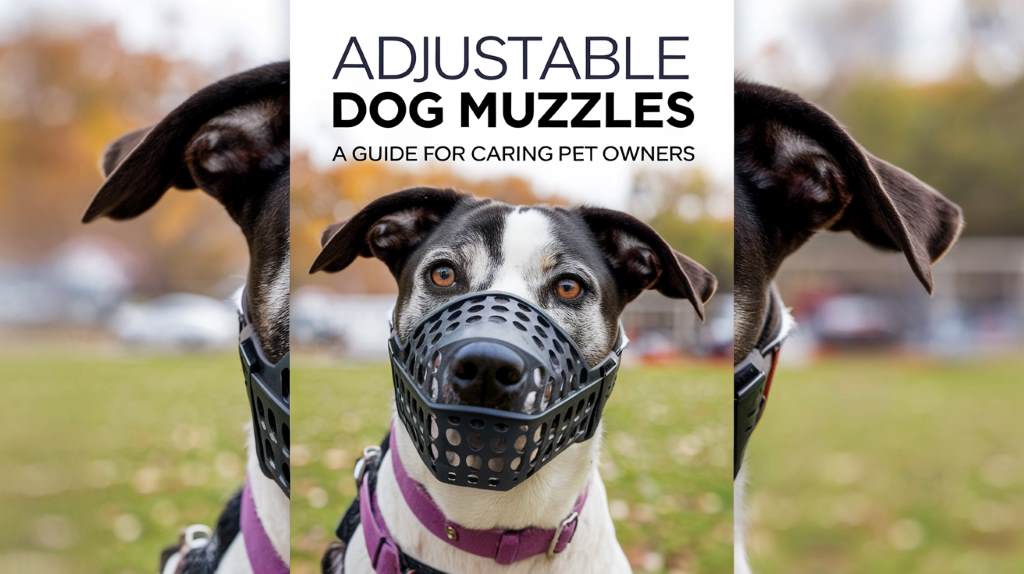
Hey there, fellow dog lovers! Let’s talk about something that might seem a bit controversial at first: dog muzzles. I know, I know, the image that probably pops into your head is a snarling, aggressive dog, right? But hold on! Adjustable dog muzzles are incredibly useful tools for all sorts of situations, and they can even be a lifesaver for some pups. They’re great for grooming sessions, vet visits, or even preventing them from eating things off the ground during walks. If you’re looking to make one yourself, you might be surprised to find a leather dog muzzle pattern near me that’s just right for your dog’s needs, combining both function and style in a comfortable way!
Think of it this way: a muzzle is kind of like a seatbelt for your dog. You probably wouldn’t dream of driving without buckling up, and in certain situations, a muzzle offers a similar level of safety and peace of mind for your furry friend.
According to the American Veterinary Medical Association, muzzles can prevent bites in situations where a dog might feel stressed or threatened. This not only protects others but also protects your dog from getting into trouble.
So, let’s dive into the world of adjustable dog muzzles. We’ll explore why they’re important, how to choose the right one, and how to get your dog comfortable wearing it.
Why Would My Dog Need a Muzzle?

You might be surprised to learn that there are many reasons why a dog might need a muzzle, and not all of them involve aggression. Here are a few common scenarios:
- Vet Visits: Ever tried trimming your dog’s nails and ended up with a few scratches? Many dogs get anxious or scared at the vet. A muzzle can help prevent bites during examinations or procedures.
- Grooming: Similar to vet visits, grooming can be stressful for some dogs. A muzzle can protect the groomer from nips and bites, especially when working around sensitive areas.
- Preventing scavenging: Does your dog have a knack for finding and gobbling down things they shouldn’t? A muzzle can stop them from eating garbage, rocks, or other potentially harmful items on walks.
- Meeting new dogs: Even the friendliest dog can get a little overwhelmed in new social situations. A muzzle can help prevent accidental bites or fights during introductions.
- Recovery from injury or surgery: If your dog has an injury or has recently undergone surgery, a muzzle can prevent them from licking or chewing at the affected area.
- Behavioral training: In some cases, muzzles can be used as a training tool to help manage certain behaviors, like excessive barking or nipping.
It’s important to remember that a muzzle is not a punishment. It’s a temporary safety measure to protect your dog and those around them. Just like you wouldn’t punish your child for wearing a helmet while biking, you shouldn’t view a muzzle as a negative thing. For more helpful insights on pet safety, explore Dog Guides for tips and advice on how to introduce a muzzle positively and responsibly.
Types of Adjustable Dog Muzzles
Now that you understand why muzzles can be helpful, let’s look at the different types available. Each type has its own pros and cons, so it’s important to choose the right one for your dog’s needs and comfort.
- Basket Muzzles
These are probably what comes to mind when you think of a dog muzzle. They look like a basket that fits over your dog’s snout, allowing them to pant, drink, and even take treats.
- Pros: They offer good ventilation and allow for maximum comfort.
- Cons: They can be a bit bulkier than other types.
- Soft Muzzles
Made from fabric or mesh, these muzzles are lightweight and comfortable. They’re a good option for short-term use, like vet visits or grooming.
- Pros: Lightweight and comfortable for short periods.
- Cons: They don’t offer as much ventilation as basket muzzles and may restrict panting.
- Grooming Muzzles
These muzzles are specifically designed for grooming and often have a smaller opening to restrict licking and chewing.
- Pros: Ideal for grooming and preventing interference with sensitive areas.
- Cons: Not suitable for long-term wear or situations where the dog needs to pant freely.
Choosing the Right Adjustable Dog Muzzle
Finding the perfect muzzle for your furry friend is crucial. Here’s what to consider:
- Size and Fit: The muzzle should be snug but not too tight. Your dog should be able to pant, drink, and take treats comfortably. Most muzzles come with sizing charts, so be sure to measure your dog’s snout circumference and length before purchasing.
- Material: Choose a material that’s comfortable and breathable, especially for long-term use. Basket muzzles are often made of plastic or wire, while soft muzzles are typically made of fabric or mesh.
- Purpose: Consider why you need the muzzle. A basket muzzle is a good all-around choice, while a soft muzzle might be better for short trips to the vet.
- Dog’s Breed and Snout Shape: Some muzzles are designed for specific breeds or snout shapes. For example, dogs with short snouts (brachycephalic breeds) may need a special type of muzzle to ensure they can breathe properly. Additionally, it’s important to be aware of human foods that are safe for dogs, as many common foods can be harmful. Always check which human foods are safe and appropriate for your furry friend.
How to Introduce Your Dog to a Muzzle

Introducing a muzzle slowly and positively is key to ensuring your dog feels comfortable wearing it. Here’s a step-by-step guide:
- Let your dog sniff and explore the muzzle: Don’t just put it on them right away! Let them get used to the sight and smell of it first.
- Associate the muzzle with positive things: Give your dog treats or praise when they’re near the muzzle. You can even smear some peanut butter or cream cheese inside to make it more appealing.
- Start with short periods of wear: Put the muzzle on for a few seconds at a time, gradually increasing the duration as your dog becomes more comfortable.
- Keep it positive: Use a happy and encouraging tone of voice, and reward your dog with treats and praise for wearing the muzzle.
- Never force the muzzle on your dog: If they seem stressed or resistant, take a break and try again later.
Think of it like introducing a new toy or game. You want your dog to associate the muzzle with positive experiences, not fear or anxiety.
Living with a Muzzled Dog
If your dog needs to wear a muzzle regularly, there are a few things to keep in mind:
- Supervision: Always supervise your dog when they’re wearing a muzzle.
- Breaks: Give your dog frequent breaks from wearing the muzzle, especially in hot weather.
- Hydration: Make sure your dog can drink water while wearing the muzzle. Basket muzzles allow for this, but you may need to offer water breaks for dogs wearing other types of muzzles.
- Comfort: Regularly check the muzzle for any signs of wear and tear, and make sure it’s still fitting properly.
Remember, a muzzle is a tool to help manage certain situations, not a permanent solution. If you’re having ongoing behavioral issues with your dog, it’s important to consult with a qualified veterinarian or dog trainer.
Beyond the Basics: Advanced Muzzle Training
Once your dog is comfortable wearing a muzzle for short periods, you can start to incorporate it into other activities. Here are a few ideas:
- Muzzle training for reactivity: If your dog is reactive to other dogs or people, you can use a muzzle to help manage their behavior during walks or outings.
- Muzzle training for fear or anxiety: A muzzle can provide a sense of security for dogs who are fearful or anxious in certain situations.
- Muzzle training for bite inhibition: In some cases, muzzles can be used as part of a training program to teach dogs to inhibit their bite.
Remember, muzzle training should always be done under the guidance of a qualified professional.
Busting Muzzle Myths
Unfortunately, there are a lot of misconceptions about dog muzzles. Let’s debunk a few of the most common ones:
- Myth: Muzzles are only for aggressive dogs.
- Reality: As we’ve discussed, muzzles can be used for a variety of reasons, including vet visits, grooming, and preventing scavenging.
- Myth: Muzzles are cruel and prevent dogs from panting.
- Reality: Properly fitted muzzles, especially basket muzzles, allow dogs to pant, drink, and even take treats.
- Myth: Muzzled dogs are dangerous.
- Reality: A muzzle is a safety device, not an indicator of aggression. Many dogs who wear muzzles are friendly and well-behaved.
- Myth: Muzzles will make my dog’s aggression worse.
- Reality: Muzzles do not address the underlying causes of aggression. However, they can prevent bites while you work with a professional to address the behavior.
A Final Word on Adjustable Dog Muzzles
Adjustable dog muzzles are a valuable tool for responsible dog owners. They provide safety and peace of mind in a variety of situations, from vet visits to managing reactivity. By choosing the right muzzle, introducing it positively, and using it responsibly, you can ensure your dog’s comfort and well-being while keeping them and others safe.
Remember, a muzzle is not a symbol of shame or aggression. It’s a sign of a responsible owner who is taking proactive steps to ensure their dog’s safety and the safety of those around them.