
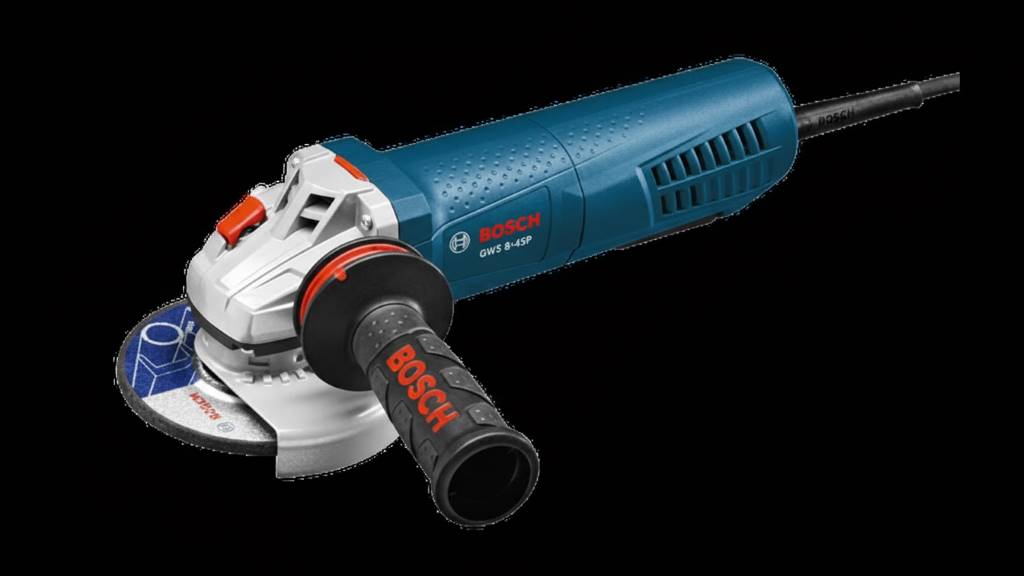
Shopping for a 4-1/2-inch angle grinder looks simple—until you realize how much the “small stuff” matters: grip comfort after 30 minutes, how the guard adjusts mid-task, and whether the tool seems to inhale dust like a vacuum. If you want a practical, jobsite-minded take on the Bosch GWS8-45, this review breaks down what it does well, what to watch for, and who actually gets the most value from it while keeping one eye on real-world usability and long-term ownership.
If you’re also weighing it against other 4-1/2-inch grinders, this Bosch grinder comparison can help you frame the decision early without getting lost in spec-sheet noise.
What the Bosch GWS8-45 is (and isn’t)
The Bosch GWS8-45 is a corded 4-1/2-inch angle grinder built around a professional-style 7.5-amp motor rated at 11,000 no-load RPM. It targets the everyday “do most grinder tasks” category: cutting, grinding, surface prep, deburring, and occasional metal fabrication work where a compact grinder makes sense.
That said, it’s not trying to replace a larger 5-inch or 6-inch grinder for heavy stock removal all day, and it’s not a specialty tool for ultra-precision fabrication either. Think of it as a high-utility, jobsite-friendly grinder that focuses on ergonomics, durability features, and straightforward controls.
Based on manufacturer guidelines, this kind of grinder performs best when you match the wheel type to the task and avoid forcing the tool—let RPM and abrasive choice do the work.
Key specs at a glance (why they matter)
Specs only help when they translate to work outcomes. Here are the numbers that actually influence feel and capability:
- Motor: 7.5 amps (strong for a compact corded grinder)
- Speed: 11,000 no-load RPM (typical high-speed profile for 4-1/2″ grinding/cutting)
- Weight: about 4.2 lbs (noticeable during extended overhead or one-handed control)
- Wheel size: 4-1/2-inch (widely available consumables)
- Spindle thread: 5/8″-11 (common accessory compatibility)
- Length: about 11 inches (compact footprint for tight areas)
- Handle: two-position side handle (basic, but important for control and comfort)
According to widely accepted industry standards, RPM and wheel diameter interact directly: high RPM with a smaller wheel can feel “fast” and responsive, but it also demands good technique to avoid glazing discs or overheating thin material.
Features that stand out (and why they’re practical)
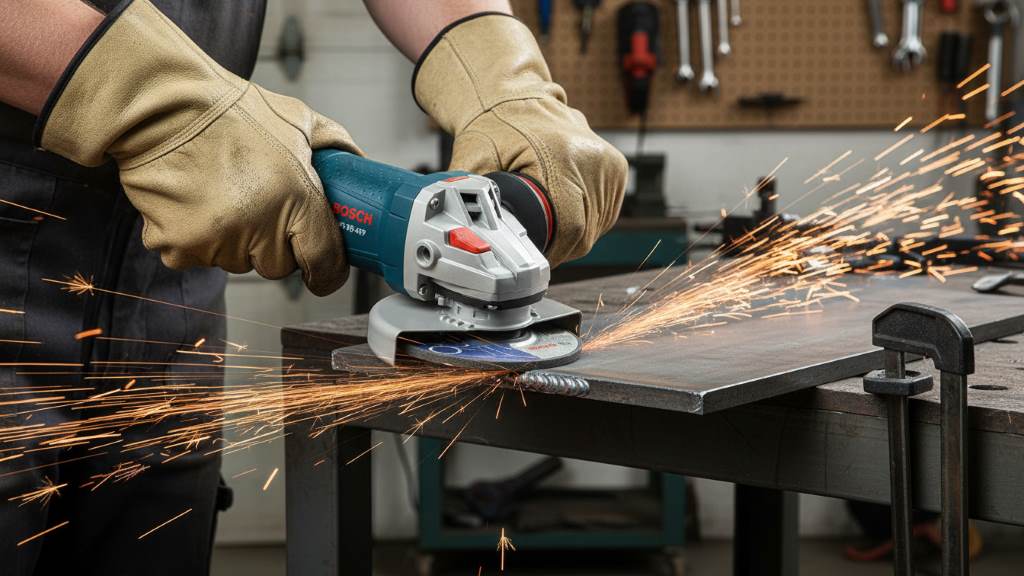
Bosch packs several real-use features into the GWS8-45 that go beyond “marketing extras.” These are the ones that matter most.
Slim-grip design (comfort isn’t a luxury)
A slim grip can reduce fatigue, especially for:
- Long flap-disc blending sessions
- Edge clean-up on welds
- Repeated cutoff work where you constantly reposition
In practice, comfort improves control. Better control means fewer mistakes—like digging a disc edge into material or letting the tool torque unexpectedly.
Directed airflow (dust control = tool life)
This grinder uses directed airflow intended to divert dust away from key internal components. That matters when you grind:
- Masonry dust (extremely abrasive)
- Rust and paint (fine particulates)
- Metal grinding swarf (hot debris that can travel)
According to industry experts, keeping abrasive dust away from bearings, windings, and brush areas can meaningfully improve service life and reduce the “why does it sound rough already?” problem.
Service Minder brushes (maintenance without guessing)
Bosch includes a “Service Minder” brush system that can stop the tool when preventative maintenance is required. This helps avoid the common failure mode where a tool runs on worn brushes until it starts arcing, overheating, or damaging the commutator.
As recommended by professionals, brushes count as a normal wear item on corded grinders. A system that pushes you to service at the right time can protect the motor long-term and reduce downtime when the job matters.
Burst-protection, quick-adjust guard (small change, big safety gain)
A quick-adjust guard helps because you actually reposition it instead of “making do.” That can:
- Improve spark direction control
- Reduce the chance of catching a disc edge
- Encourage safer cutting angles
Based on manufacturer guidelines, proper guard positioning and correct wheel rating remain non-negotiable safety practices—regardless of brand.
Large spindle lock (faster wheel changes)
A larger spindle lock makes accessory changes easier with gloves or when hands are dusty. That translates to:
- Less fumbling
- Faster switching between cutoff wheels and flap discs
- More consistent “right wheel for the job” behavior (which improves results)
Performance breakdown in real tasks
The heart of any review is what happens under real use. Here’s how the Bosch GWS8-45 typically fits common grinder scenarios, and how to get better results from it.
Cutting metal (cutoff wheels)
For cutting rebar, angle iron, bolts, and thin sheet, the high-speed profile helps the wheel stay productive. The most common mistakes come from technique rather than power.
Actionable tips:
- Let the wheel reach full speed before entering the cut.
- Use light pressure—pushing hard overheats the disc and increases binding risk.
- Keep the cut straight; twisting the wheel mid-cut can shatter thin cutoff discs.
- If the kerf closes (pinches the disc), back out and reposition—don’t “power through.”
According to widely accepted industry standards, cutoff wheels prefer straight-line cutting with minimal side load. Treat cutoff discs like a “blade” you guide—not a lever you pry with.
Grinding welds (hard wheels)
On mild steel weld cleanup, the 7.5-amp motor rating provides enough power for:
- Knocking down weld caps
- Cleaning edges
- Removing slag and spatter
For best results:
- Hold a consistent angle (often 15–30 degrees for grinding wheels, depending on task).
- Move continuously to avoid heat discoloration and gouging.
- Switch to a flap disc for smoothing rather than trying to “finish” with a grinding wheel.
This is where Bosch tool performance shows up: when the tool stays controllable, it’s easier to keep your grind pattern uniform and avoid accidental undercutting around weld toes.
Surface prep (flap discs, wire wheels)
For paint/rust removal and blending, a grinder lives or dies by ergonomics and control. The GWS8-45’s slim grip and lighter weight can help keep the tool steady, especially when you’re feathering edges.
Practical tips:
- Choose flap disc grit based on the finish you want (don’t start too coarse).
- Use a wire cup carefully—wire wheels can “walk” and grab edges.
- Keep your face shield on—wire fragments and rust dust travel fast.
As recommended by professionals, surface prep works best when you use the least aggressive accessory that still achieves your goal efficiently.
Handling and ergonomics: what it feels like to use
The grinder’s weight (around 4.2 lbs) and slim grip matter most during long sessions and awkward angles—like vertical grinding, overhead work, or when you’re inside a frame.
The two-position side handle gives a basic but useful option to:
- Improve leverage on tough grinding
- Stabilize the tool during cutting
- Reduce wrist strain by aligning grip with the work angle
According to industry experts, the best grinder is often the one you can control the longest without fatigue—because fatigue causes mistakes.
Durability and ownership: what to expect long-term
A grinder’s value isn’t just purchase price. It’s also:
- How long it stays smooth and strong
- How often it needs service
- Whether maintenance is straightforward
The GWS8-45’s durability-related design points include directed airflow and durable carbon brushes, plus the Service Minder brush system that helps prevent brush neglect. Based on manufacturer guidelines, keeping vents clear, avoiding constant overload pressure, and storing the tool away from grinding dust buildup can extend life significantly.
A simple ownership routine (that many pros follow):
- Blow out vents (low-pressure air) after dusty jobs.
- Inspect the cord regularly for nicks and strain.
- Replace worn accessories early (worn discs increase heat and vibration).
- Check guard movement and ensure it locks securely.
Safety essentials (non-negotiable)
Even a “small” angle grinder can injure you fast. Follow these widely accepted industry standards:
- Wear eye protection and a face shield.
- Use hearing protection—grinders run loud under load.
- Use gloves that still allow grip control (avoid loose cuffs).
- Match wheel rating to RPM (never exceed wheel speed rating).
- Never use cutoff wheels for side grinding.
- Keep the guard installed and positioned between you and the wheel path.
- Let the tool stop fully before setting it down.
Based on manufacturer guidelines, correct accessory installation (proper flanges, correct wheel orientation, and tight fastening) matters as much as PPE.
Related:
Best Golf Gadget Stores in Chicago – Tech Tools You’ll Love
What do Gardening Tools Do? A Comprehensive Guide
Value: who should buy the Bosch GWS8-45?
The Bosch GWS8-45 makes sense when you want a dependable, ergonomic grinder for frequent use without stepping into heavier, more expensive setups.
Best fit
- DIYers who want a “buy once, use for years” corded grinder
- Pros needing a lightweight backup or daily driver for light-to-medium work
- Anyone who values comfort and practical durability features
Consider alternatives if…
- You need more torque for heavy grinding all day (step up to a larger amp or larger wheel platform)
- You need cordless mobility above all (different category with different tradeoffs)
- You need advanced electronic safety systems beyond the basics (varies by model line)
According to industry experts, the best value shows up when the tool’s strength matches your most common tasks—not your most extreme task once a year.
How to get the best results (setup checklist)
Use this quick checklist before the first serious job:
- Install the side handle in the position that keeps your wrist straight at the working angle.
- Adjust the guard so it blocks debris from your body and directs sparks away from flammables.
- Choose the correct wheel:
-
- Cutoff wheel for cutting
-
- Grinding wheel for stock removal
-
- Flap disc for blending/finishing
-
- Wire wheel for rust/paint (with extra caution)
- Test run for a few seconds to confirm the wheel seats properly and spins true.
- Start with light pressure; increase only if the accessory stays cool and stable.
As recommended by professionals, consumable choice often matters more than raw motor numbers for speed, finish quality, and control.
FAQs
Is the Bosch GWS8-45 strong enough for steel fabrication?
Yes for light-to-medium fabrication tasks like cutting, deburring, and weld cleanup on mild steel, especially with the right discs and technique. According to industry experts, fabrication productivity depends heavily on accessory choice and avoiding excessive pressure.
What disc size does it use?
It uses a 4-1/2-inch wheel size, which remains one of the most common formats for grinders. Based on manufacturer guidelines, always verify the wheel’s RPM rating meets or exceeds the tool’s speed.
Does the slim grip actually matter?
Yes, especially during longer sessions and when you need precise control along edges or weld lines. As recommended by professionals, comfort reduces fatigue, and reduced fatigue improves safety and finish quality.
Can it handle masonry or concrete grinding?
It can, but masonry dust is harsh on tools and accessories, and it requires proper wheels and dust management. According to widely accepted industry standards, use appropriate PPE and consider dust-control practices when grinding concrete.
What’s the biggest mistake new users make with angle grinders?
They push too hard and use the wrong wheel for the task, which causes overheating, binding, and poor finishes. Based on manufacturer guidelines, let RPM and abrasive action work—pressure should stay controlled and moderate.
How often should you replace brushes?
Brush life varies widely based on load, dust, and runtime. According to industry experts, replace brushes when performance drops, arcing increases, or when the tool’s maintenance indicator system requires it (if equipped).
Conclusion
The Bosch GWS8-45 delivers a well-balanced mix of power, comfort, and practical durability features that suit most cutting, grinding, and prep tasks in metalwork and general maintenance. If you want a corded 4-1/2-inch grinder that feels controllable for long sessions—and you plan to use it regularly—this model offers solid everyday value.
Call to action: Decide what you do most (cutting, grinding, prep), then buy the best discs for that task first—because the right accessories unlock the best Bosch tool performance and make the grinder feel like an upgrade immediately.
References
- Bosch manufacturer product documentation for GWS8-45: https://www.boschtools.com/us/en/products/gws8-45-0601388118
- Angle grinder safety guidance (general industry): https://www.osha.gov/laws-regs
- Abrasive wheel safety guidance (general industry): https://www.ccohs.ca/oshanswers/safety_haz/abrasive_wheels/