

Quartz countertops have become a favorite in modern homes, prized for their durability, beauty, and low maintenance. But a common question lingers: do you need to seal quartz to keep it looking pristine? Unlike natural stones like granite or marble, quartz is an engineered material made from crushed quartz mixed with resin, making it non-porous and highly resistant to stains, scratches, and bacteria. This unique composition often leads homeowners to wonder if sealing is necessary or just an extra step. Understanding the care requirements for quartz can save you time, money, and effort while ensuring your countertops stay flawless for years. In this article, we’ll dive into the specifics of quartz maintenance, addressing whether sealing is needed, how to care for your countertops, and what steps can extend their lifespan. With insights from experts and practical tips, this guide is designed to help homeowners make informed decisions about their quartz surfaces, ensuring both functionality and aesthetic appeal.
Is Sealing Quartz Countertops Necessary?
Snippet Answer: No, quartz countertops typically don’t need sealing because they are non-porous and engineered with resin, which prevents liquids and stains from penetrating the surface.
Quartz countertops are crafted from roughly 90–95% natural quartz crystals combined with resin binders and pigments. This engineering process creates a non-porous surface, meaning liquids like water, wine, or oil can’t seep into the material. Unlike natural stones such as granite, which have tiny pores that can absorb liquids and require periodic sealing, quartz is inherently resistant to stains and bacteria. For more details on maintenance frequency, check out how often you should seal quartz countertops at Homeplanidea. However, while sealing isn’t necessary, some homeowners mistakenly believe it’s a must due to habits formed from caring for other stone surfaces.
The resin in quartz creates a protective barrier, but it’s not invincible. Prolonged exposure to harsh chemicals, extreme heat, or abrasive cleaning tools can damage the surface over time. For instance, acidic substances like vinegar or lemon juice can dull the finish if left for too long. Therefore, while you don’t need to seal quartz, proper cleaning and care are essential to maintain its shine and durability. Manufacturers like Caesarstone and Silestone often highlight that their products are low-maintenance but recommend specific care routines to avoid long-term wear.
Why Quartz Doesn’t Require Sealing
The non-porous nature of quartz is its biggest strength. Pores in natural stones allow liquids to penetrate, leading to stains or bacterial growth. Quartz, however, is sealed during manufacturing through the resin-binding process, which fills any microscopic gaps. This makes the surface impervious to most household spills. Additionally, the resin enhances quartz’s resistance to scratches and impacts, though it’s not entirely immune to damage. For example, dropping a heavy pot might cause chips, but these are unrelated to porosity or sealing needs.
Another factor is the manufacturing process itself. Quartz slabs are cured and polished under high pressure, creating a uniform, smooth surface. This eliminates the need for aftermarket sealants, which are often messy and time-consuming to apply. According to the Natural Stone Institute, engineered stones like quartz are designed for minimal upkeep, unlike their natural counterparts. However, some quartz brands may suggest specific care products, like pH-neutral cleaners, to preserve the surface’s luster.
What Happens If You Don’t Seal Quartz?
Snippet Answer: Since quartz is non-porous, not sealing it has no negative effects; however, neglecting proper cleaning can lead to surface dullness or minor damage over time.
Because quartz doesn’t require sealing, skipping this step won’t compromise its integrity. The resin binder already acts as a sealant, protecting against stains and moisture. However, failing to maintain quartz properly can lead to issues. For instance, leaving spills like coffee or red wine for extended periods might cause slight discoloration, especially on lighter-colored quartz. While these stains are usually surface-level and removable with proper cleaning, neglecting them can make maintenance harder.
Improper care can also affect the countertop’s appearance. Using abrasive scrubbers or harsh chemicals, like bleach or ammonia, can strip the resin’s protective layer, leading to a dull or scratched surface. Additionally, exposure to high heat, such as placing a hot pan directly on quartz, can cause thermal shock, resulting in cracks or discoloration. Therefore, while sealing isn’t a concern, adopting good habits—like using cutting boards, coasters, and gentle cleaners—ensures your quartz stays in top condition.
Common Mistakes to Avoid
Homeowners sometimes assume quartz is indestructible due to its engineered strength, but certain practices can harm it:
- Using abrasive cleaners: Scouring pads or gritty cleaners can scratch the surface.
- Exposing to heat: Hot pots or pans can cause burns or cracks; always use trivets.
- Harsh chemicals: Avoid bleach, oven cleaners, or acidic substances that can dull the finish.
- Cutting directly on the surface: While quartz is scratch-resistant, heavy knife use can cause minor marks.
By avoiding these mistakes, you can keep your quartz countertops looking new without ever needing a sealant.
How Should You Maintain Quartz Countertops?
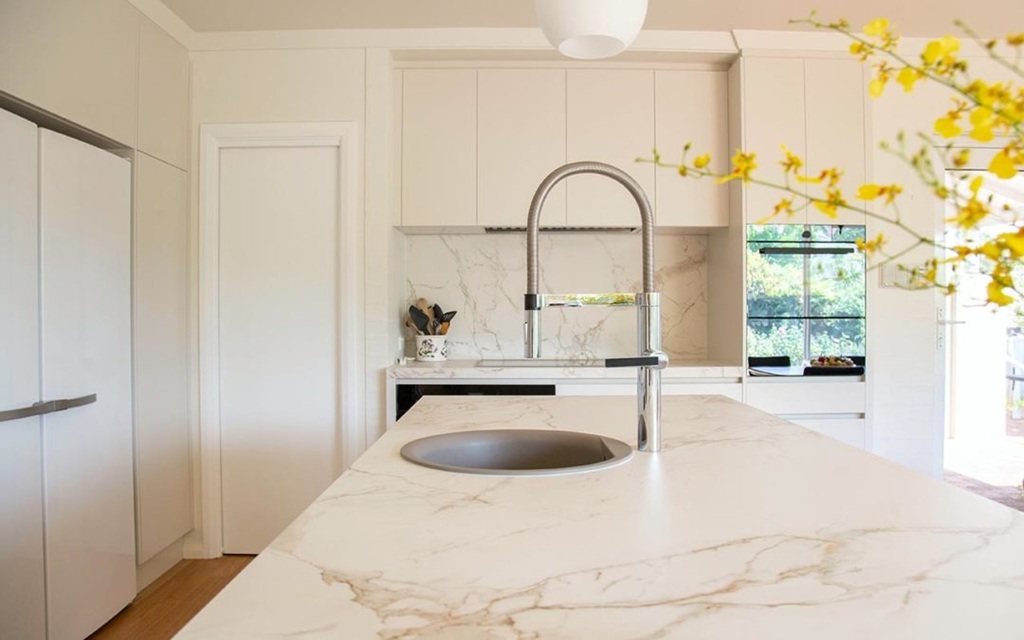
Snippet Answer: Clean quartz countertops with mild dish soap, warm water, and a soft cloth; avoid harsh chemicals and use trivets or cutting boards to prevent damage.
Maintaining quartz countertops is straightforward, thanks to their non-porous nature. Daily cleaning involves wiping the surface with a mixture of warm water and a few drops of mild dish soap using a soft cloth or sponge. This removes spills, grease, and fingerprints without harming the resin finish. For tougher stains, like dried food or grease, a non-abrasive cleaner like Bar Keepers Friend can be effective, but always test it on a small area first.
For deeper cleaning, a solution of equal parts water and white vinegar can tackle minor stains, though prolonged exposure to vinegar should be avoided due to its acidity. Manufacturers often recommend pH-neutral cleaners specifically designed for quartz, available from brands like Caesarstone or local home improvement stores. Additionally, avoid wax-based polishes or sealants, as they can leave a residue that attracts dirt.
Routine Maintenance Tips
To keep quartz countertops in pristine condition, follow these tips:
- Wipe spills immediately: Quick cleaning prevents stains from setting, even if quartz is stain-resistant.
- Use soft tools: Microfiber cloths or non-abrasive sponges are ideal for cleaning.
- Protect from heat: Always use trivets or hot pads for hot cookware.
- Avoid heavy impact: Dropping heavy objects can cause chips or cracks.
- Polish occasionally: Use a quartz-specific polish for extra shine, but only if recommended by the manufacturer.
These habits ensure your countertops remain durable and visually appealing for decades.
Can You Seal Quartz If You Want To?
Snippet Answer: Sealing quartz isn’t necessary and may cause residue buildup; however, some homeowners apply polish for added shine, but it’s not a sealant.
While quartz doesn’t need sealing, some homeowners wonder if applying a sealant or polish can enhance its appearance or protection. The answer is nuanced. Most quartz manufacturers advise against using traditional stone sealants, as they’re designed for porous materials like granite. These products can leave a sticky residue on quartz, attracting dust and dirt, which defeats the purpose of its low-maintenance appeal. Instead, if you want to boost shine, consider a quartz-specific polish recommended by the manufacturer.
Applying a polish can enhance the countertop’s gloss, especially for matte or honed finishes that may show smudges more readily. However, polishing isn’t the same as sealing—it’s purely cosmetic. If you choose to polish, use a product designed for quartz and follow the instructions carefully to avoid buildup. Always consult your countertop’s care guide, as brands like Silestone or Cambria may have specific recommendations.
Are There Quartz Countertops That Require Sealing?
Snippet Answer: Standard quartz countertops don’t require sealing, but some low-quality or non-standard products might; always check with the manufacturer.
Most reputable quartz brands, like Quartzforms or Dekton, produce non-porous surfaces that don’t need sealing. However, the market includes a wide range of quartz products, and not all are created equal. Some lower-quality or budget quartz countertops may use less resin or inferior manufacturing processes, resulting in slightly porous surfaces. In rare cases, these products might benefit from sealing, but this is uncommon and typically not disclosed by reputable suppliers.
To avoid surprises, purchase quartz from trusted manufacturers and verify their care instructions. If you’re unsure about your countertop’s quality, contact the supplier or installer for clarification. Reputable sources, like those featured on Homeplanidea, emphasize that high-quality quartz is maintenance-free beyond basic cleaning.
Read More Also: 10 Positive Impacts of Technology
How Does Quartz Compare to Other Countertop Materials?
Snippet Answer: Quartz is non-porous and low-maintenance compared to granite or marble, which require sealing, but it’s less heat-resistant than natural stone.
Quartz stands out for its ease of care, but how does it stack up against other popular countertop materials? Here’s a comparison:
| Material | Porosity | Sealing Required? | Heat Resistance | Maintenance Level |
|---|---|---|---|---|
| Quartz | Non-porous | No | Moderate | Low |
| Granite | Porous | Yes, every 1–2 years | High | Moderate |
| Marble | Highly porous | Yes, every 6–12 months | Moderate | High |
| Laminate | Non-porous | No | Low | Low |
Quartz’s non-porous nature makes it more hygienic and easier to clean than granite or marble, which require regular sealing to prevent stains. However, quartz is less heat-resistant due to its resin content, so it’s not ideal for direct heat exposure. Granite, for instance, can handle hot pans better but needs consistent sealing. Marble, while elegant, is prone to etching from acidic substances, making it high-maintenance. Quartz strikes a balance, offering durability and low upkeep, ideal for busy households.
Conclusion
Quartz countertops are a homeowner’s dream, combining style, durability, and minimal maintenance. Unlike natural stones, quartz doesn’t require sealing due to its non-porous, resin-bound surface, making it resistant to stains and bacteria. However, proper care—like using gentle cleaners, avoiding heat, and wiping spills promptly—ensures your countertops stay pristine. By understanding quartz’s unique properties and avoiding common mistakes, you can enjoy a flawless kitchen or bathroom surface for years. For more home improvement tips, visit Homeplanidea to explore expert advice on maintaining your living spaces. Ready to upgrade your countertops or refine your care routine? Start with these insights and keep your quartz shining bright.
FAQ Section
Do you need to seal quartz countertops?
No, quartz countertops don’t need sealing because they’re non-porous, thanks to the resin used in manufacturing, which prevents stains and liquid absorption.
How often should you clean quartz countertops?
Clean quartz daily with mild soap and water for routine upkeep. Deep clean weekly or as needed for tough stains using a non-abrasive cleaner.
Can you use bleach on quartz countertops?
Avoid bleach, as it can dull the finish over time. Use pH-neutral or quartz-specific cleaners to maintain the surface’s shine.
What happens if you don’t maintain quartz properly?
Neglecting quartz can lead to surface dullness, minor scratches, or stains from prolonged spill exposure, but sealing isn’t required to prevent these issues.
Can you polish quartz countertops?
Yes, you can use quartz-specific polish for added shine, but avoid traditional sealants, which can cause residue buildup.
Are all quartz countertops non-porous?
Most high-quality quartz is non-porous, but lower-quality products may have slight porosity. Check with your supplier for specific care instructions.
Is quartz more durable than granite?
Quartz is less porous and easier to maintain than granite, but granite is more heat-resistant. Both are durable with proper care./