

Brooklyn has become one of the most influential fashion centers in the United States. Recent reports show that New York’s fashion industry supports more than 180,000 jobs, while sustainable apparel sales continue to rise by over 8% each year. As trends shift toward ethical fashion, Brooklyn designers now explore heritage craftsmanship to create meaningful collections. Many local creators also study indigenous mexican textile design to understand how traditional artistry can fit modern wardrobes. This movement combines cultural respect, sustainable sourcing, and contemporary streetwear in a way that feels fresh and authentic.
The Rise of Heritage Fashion in Brooklyn
Brooklyn designers no longer chase fast fashion trends alone. Instead, they focus on storytelling through handmade fabrics and regional textile traditions. Many creators work with weaving cooperatives from Latin America, South Asia, and Indigenous North American communities. As a result, consumers now connect clothing with identity and craftsmanship rather than simple seasonal trends.
The borough’s creative neighborhoods encourage experimental fashion ideas. Areas like Williamsburg and Bushwick attract designers who mix vintage aesthetics with modern tailoring. Many studios also use naturally dyed fabrics because they reduce environmental impact. In addition, Brooklyn shoppers actively support brands that value transparency and artisan partnerships.
Local fashion schools contribute heavily to this shift. Students often research weaving traditions, natural dye methods, and handmade embroidery techniques during their design programs. Some creators also blend heritage textiles with modern silhouettes inspired by street culture. This approach creates apparel that feels practical while still honoring traditional artistry.
Why Indigenous Textile Techniques Matter Today
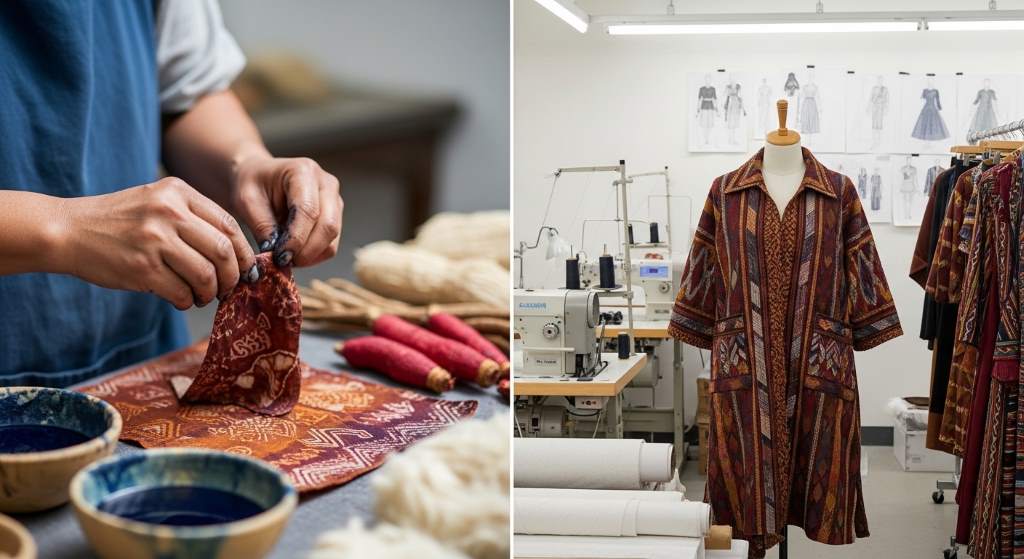
Indigenous fabric techniques represent centuries of cultural knowledge. Traditional weaving patterns often reflect geography, spirituality, and community history. When Brooklyn designers use these techniques responsibly, they help preserve skills that might otherwise disappear. Many brands now collaborate directly with artisans instead of copying designs without acknowledgment.
Consumers increasingly demand ethical fashion choices that carry emotional value. Handmade textiles offer individuality because no two pieces look exactly alike. Designers also appreciate the texture and durability of handwoven materials compared to factory-produced fabrics. Furthermore, many shoppers pair these statement garments with modern styling concepts like deconstructed collar styling to create bold urban looks.
Brooklyn creators also value slow production methods because they reduce waste. Machine-made fabrics often require mass production and synthetic materials. However, many Indigenous techniques rely on local fibers, hand tools, and natural color extraction. This process creates apparel with lower environmental impact and stronger cultural significance.
Preserving Traditional Dye Practices
Natural dyeing has become especially popular among Brooklyn apparel makers. Many Indigenous communities use plants, roots, flowers, and minerals to create rich colors without harmful chemicals. Designers appreciate the softer appearance and organic texture these dyes produce. Consequently, consumers see naturally dyed clothing as both artistic and environmentally responsible.
Brooklyn’s climate also influences fabric choices throughout the year. Lightweight cotton and naturally dyed linen work well during humid summers in New York City. During cold winters, layered wool textiles provide warmth while maintaining visual character. Designers often adapt Indigenous weaving methods to create seasonally functional clothing for urban lifestyles.
How Brooklyn Creators Blend Tradition With Modern Fashion
Many Brooklyn brands avoid making garments that feel overly historical. Instead, they combine heritage fabrics with modern cuts, oversized silhouettes, and minimal tailoring. This balance allows younger consumers to wear culturally inspired apparel comfortably in everyday settings. The result feels contemporary rather than costume-like.
Streetwear has played a major role in this transformation. Designers now use traditional woven panels on bomber jackets, hoodies, cargo pants, and sneakers. These details add texture and authenticity without overwhelming the garment. In many cases, subtle craftsmanship becomes the key design feature instead of flashy branding.
Brooklyn creators also prioritize versatility because city residents need clothing that works across changing seasons. Layered garments remain especially popular during unpredictable weather conditions in New York. Some collections even borrow styling concepts from guides about dallas seasonal fashion to balance warmth, comfort, and adaptable layering.
Using Technology Without Losing Authenticity
Modern technology helps small fashion brands expand their reach while preserving handmade production. Designers use digital platforms to connect directly with weaving communities and independent artisans. Social media also allows consumers to learn about the cultural history behind specific fabrics. This transparency builds trust and increases appreciation for handcrafted apparel.
Some Brooklyn studios combine traditional weaving with digital pattern-making software. This process speeds up garment construction while keeping textile production authentic. Designers can therefore experiment with innovative cuts without replacing artisan craftsmanship. Many consumers appreciate this blend of old-world skill and modern functionality.
The Economic Impact on Artisan Communities
Responsible collaborations provide financial support for Indigenous artisans worldwide. Instead of relying on middlemen, many Brooklyn brands now establish direct partnerships with weaving collectives. These agreements often guarantee fair wages and consistent orders throughout the year. Consequently, artisan families gain more economic stability while preserving cultural traditions.
Some designers even travel regularly to artisan communities to build long-term relationships. This personal connection helps avoid exploitation and cultural misunderstanding. Brands also learn how certain symbols and patterns carry spiritual meaning within specific cultures. Respectful collaboration therefore becomes essential for authentic design work.
Several Brooklyn companies now publish detailed sourcing information online. Customers can see where fabrics originate and how artisans contribute to each collection. This transparency helps consumers make informed purchasing decisions. In return, ethical fashion brands often develop stronger customer loyalty and higher long-term credibility.
Small Batch Production Creates Exclusivity
Many Indigenous textile techniques require significant time and labor. Because of this, Brooklyn designers usually produce limited apparel collections rather than mass-market releases. Consumers increasingly value exclusivity because it makes clothing feel personal and unique. Limited production also reduces excess inventory and unnecessary waste.
Boutique stores across Brooklyn now highlight artisan collaborations as premium fashion experiences. Shoppers often prefer handmade garments over generic retail products because they carry visible craftsmanship. Additionally, younger consumers tend to share these purchases online, which further boosts interest in heritage-inspired apparel.
Challenges Brooklyn Designers Face
Despite growing popularity, reviving Indigenous fabric techniques presents several challenges. Handmade textiles often cost more than factory-produced alternatives because they require specialized labor. Some consumers still hesitate to pay premium prices for ethically made clothing. Designers must therefore educate buyers about craftsmanship and sustainability.
Cultural appropriation also remains a major concern within the fashion industry. Designers cannot simply borrow patterns without understanding their significance. Responsible creators spend time learning from artisan communities before incorporating traditional motifs into modern apparel. This process requires patience, research, and respectful collaboration.
Supply chain consistency creates another obstacle for small fashion brands. Handwoven fabrics may vary slightly in color, texture, or size because artisans create them manually. While many consumers appreciate these imperfections, large retailers often prefer uniform products. Brooklyn creators must therefore balance authenticity with commercial expectations.
Balancing Fashion Trends With Cultural Respect
Fast-moving fashion trends can sometimes conflict with traditional craftsmanship timelines. Indigenous weaving techniques may require weeks or even months to complete. However, fashion consumers often expect constant new releases throughout the year. Brooklyn designers solve this problem by focusing on timeless collections instead of rapid seasonal turnover.
Some creators also educate customers through workshops and storytelling events. These experiences help people understand the cultural roots behind specific textile methods. As a result, consumers become more emotionally connected to the garments they purchase. This educational approach strengthens both ethical awareness and brand identity.
The Influence of Brooklyn’s Diverse Communities
Brooklyn’s multicultural environment naturally supports cross-cultural creative exchange. Residents from many backgrounds contribute ideas that shape local fashion trends. Designers often collaborate with artists, musicians, and craftspeople from immigrant communities throughout the borough. This diversity encourages innovation while celebrating heritage traditions.
Local markets and fashion pop-ups also create opportunities for direct interaction between creators and shoppers. Consumers can touch handmade fabrics, ask questions about sourcing, and learn about artisan techniques in person. These experiences build stronger appreciation for textile craftsmanship. They also help independent designers compete with larger fashion corporations.
Community-driven fashion events often highlight sustainability and cultural preservation together. Some workshops teach natural dyeing, weaving basics, or garment repair techniques to local residents. These activities encourage mindful consumption and reduce dependence on disposable fashion. Brooklyn’s creative culture therefore supports both environmental responsibility and artistic heritage.
Future Trends in Heritage-Inspired Fashion
The future of contemporary apparel will likely include even stronger connections to traditional craftsmanship. Consumers increasingly seek clothing with emotional meaning and ethical production practices. Brooklyn creators remain well positioned to lead this movement because they already embrace experimentation and cultural collaboration. Many fashion analysts expect handmade textiles to become more valuable in luxury and independent markets.
Climate concerns may also accelerate interest in natural fibers and traditional dyeing techniques. Synthetic materials contribute heavily to environmental pollution and textile waste worldwide. Indigenous fabric methods often rely on renewable resources and biodegradable materials instead. Consequently, heritage-inspired apparel could become a major part of sustainable urban fashion.
Designers may continue blending traditional fabrics with practical city-focused apparel. Functional layering, oversized silhouettes, and breathable textiles already appeal to modern consumers. Some brands even combine these pieces with ideas inspired by atlanta fashion layering sleeveless outfits to create adaptable looks for changing temperatures and personal style preferences.
Conclusion
Brooklyn creators are transforming contemporary apparel by reviving Indigenous fabric techniques with care and creativity. Their work supports artisan communities, encourages sustainable fashion, and introduces meaningful storytelling into modern wardrobes. This movement also proves that heritage craftsmanship can remain relevant in fast-changing urban environments. As consumers continue seeking ethical and authentic fashion, demand for culturally respectful handmade textiles will likely keep growing. If you want clothing with real artistry and purpose, now is the perfect time to support brands that value traditional textile craftsmanship.
FAQs
Why are Brooklyn designers interested in Indigenous textiles?
Brooklyn designers value Indigenous textiles because they offer authenticity, sustainability, and cultural storytelling.
Are handmade fabrics more sustainable than factory-made materials?
Yes, handmade fabrics often use natural fibers and low-impact production methods that reduce waste.
How do designers avoid cultural appropriation?
Responsible designers collaborate directly with artisans and credit the cultural origins of textile techniques.
What fabrics work best for Brooklyn’s climate?
Light cotton and linen work well in summer, while woven wool textiles provide warmth during winter.
Why do handmade garments cost more?
Handmade garments require skilled labor, slower production methods, and higher-quality materials.