
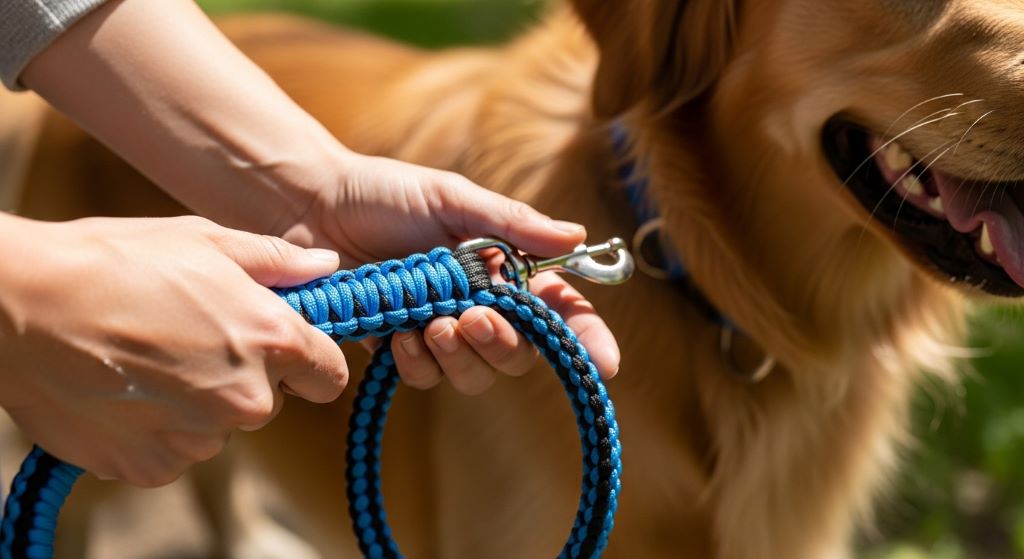
Every dog owner needs reliable walking equipment that keeps their pet safe without breaking the bank. Finding quality products at reasonable prices can feel like searching for a needle in a haystack. However, understanding what makes a good leash helps you make smart purchasing decisions. This guide will walk you through everything you need to know about selecting rope leashes that offer both value and performance.
Rope leashes have gained popularity among pet owners for good reasons. They combine comfort, strength, and style in ways traditional leashes often cannot match. Moreover, they come in various price ranges to suit different budgets. The key is knowing which features matter most and where you can save money without sacrificing safety.
Understanding Rope Leash Construction and Materials
The materials used in rope leash construction directly impact both price and performance. Most rope leashes use nylon, polyester, or cotton fibers woven together. Each material offers distinct advantages and limitations worth considering.
Nylon rope provides excellent strength and weather resistance. It holds up well against rain, snow, and humidity without deteriorating quickly. Additionally, nylon resists mildew and dries faster than natural fibers. This makes it ideal for dogs who love water or owners living in wet climates. However, nylon can feel slightly rougher on hands during extended walks.
Polyester offers similar benefits to nylon with slight differences. It resists UV damage better, making it perfect for sunny environments. Furthermore, polyester maintains its color longer when exposed to sunlight. The texture tends to be softer than nylon, providing more comfortable handling. Price-wise, polyester and nylon options fall into similar ranges.
Cotton rope feels softest against your skin during walks. Natural fibers provide excellent grip and comfort for handlers. Nevertheless, cotton absorbs water and takes longer to dry. It may also wear faster than synthetic alternatives. For budget-conscious buyers, cotton leashes often cost less initially but might need replacement sooner.
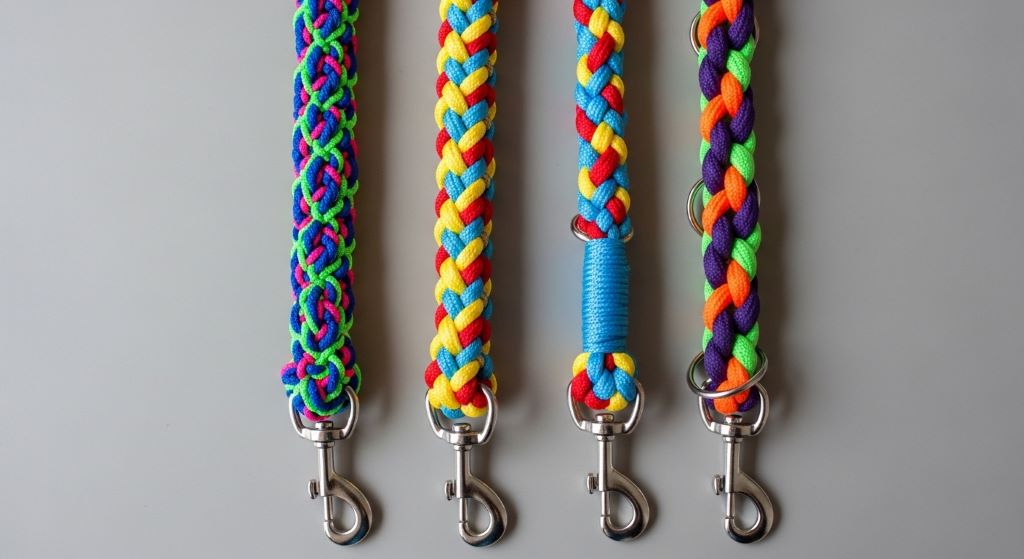
Braiding techniques affect both strength and appearance. Tighter braids generally create stronger leashes that resist fraying. Conversely, looser braids may look attractive but compromise durability. Quality manufacturers use specific braiding patterns that balance aesthetics with functionality. Understanding these patterns helps you identify well-constructed products.
Core materials add another layer of strength to many rope leashes. Some manufacturers include additional fibers or reinforcement within the braided exterior. This inner core significantly increases breaking strength without adding much weight. While these reinforced options cost slightly more, they provide better value for active dogs or strong pullers.
Evaluating Strength Requirements for Your Dog
Matching leash strength to your dog’s size and behavior prevents both accidents and overspending. Oversized equipment wastes money, while undersized gear creates dangerous situations. Therefore, accurately assessing your needs is crucial.
Small dogs under 25 pounds require less breaking strength than larger breeds. A leash rated for 200-300 pounds typically suffices for these pets. Additionally, small dogs usually pull less forcefully, reducing stress on equipment. Budget-friendly options work perfectly well for this size category without concerns about durability.
Medium dogs between 25 and 60 pounds need moderate strength ratings. Look for leashes that can handle 400-600 pounds of force. These dogs have more pulling power, especially when excited or distracted. Furthermore, they may lunge at squirrels or other animals during walks. Adequate strength prevents breakage during these sudden movements.
Large dogs over 60 pounds demand serious strength from their walking equipment. Choose leashes rated for at least 800-1000 pounds. Strong breeds like German Shepherds or Labrador Retrievers generate considerable force when pulling. Moreover, their size creates momentum that multiplies impact during sudden stops. Never compromise on strength ratings for large dogs.
Behavior patterns matter as much as size. A calm small dog might stress a leash less than an excitable large dog. Training level also plays a role in equipment selection. Well-trained dogs who walk politely need less robust gear than those still learning leash manners. Consider your specific situation rather than relying solely on weight categories.
Multiple dog households face unique challenges. Walking two or three dogs simultaneously requires extra strength and reliability. Additionally, tangled leashes create unexpected stress points. In these situations, investing in slightly stronger options prevents problems and actually saves money long-term by avoiding replacements.
Identifying Quality Hardware at Affordable Prices
Hardware components significantly impact both safety and longevity. The clip that attaches to your dog’s collar represents the most critical piece. Therefore, examining hardware quality should be your top priority when shopping.
Swivel clips prevent twisting and tangling during walks. They rotate freely as your dog moves, reducing stress on both leash and collar. Quality swivels operate smoothly without sticking or grinding. Test the swivel action before purchasing if possible. Smooth operation indicates better manufacturing quality.
Clip strength varies considerably across price points. Look for clips made from stainless steel or heavy-duty zinc alloy. These materials resist corrosion and maintain strength over time. Conversely, cheap plastic clips break easily and should be avoided entirely. Even budget options should feature metal clips for safety.
Locking mechanisms determine how securely the clip stays attached. Spring-loaded gates should snap closed firmly without gaps. Additionally, the spring should feel strong and responsive. Weak springs fail over time, allowing clips to open unexpectedly. This represents a serious safety hazard worth investigating carefully.
Handle hardware includes rings, reinforcements, or additional clips. Some leashes feature padded handles for comfort, while others use rope loops. Both designs work well when properly constructed. Check where the handle connects to the main rope. Reinforced stitching or metal ferrules at these points indicate better quality.
Reflective elements add visibility without significantly increasing cost. Many rope leashes incorporate reflective threads into the braiding pattern. This safety feature helps drivers see you during evening walks. Furthermore, reflective materials don’t usually affect price much. Look for this bonus feature when comparing similar products.
Smart Shopping Strategies for Budget-Conscious Buyers
Finding a budget dog leash that performs well requires strategic shopping. Knowing where and when to look saves money without sacrificing quality. These proven strategies help you get the best value.
Online marketplaces often offer better prices than physical stores. However, they also present challenges in assessing quality. Read customer reviews carefully, paying special attention to comments about durability and strength. Additionally, look for photos uploaded by buyers showing the product after months of use. Real-world feedback proves more valuable than marketing claims.
Seasonal sales provide excellent opportunities for savings. Pet supply retailers typically offer discounts during spring and summer. Back-to-school sales in autumn sometimes include pet products as well. Furthermore, major holidays often feature storewide promotions. Planning purchases around these events maximizes your budget.
Direct manufacturer purchases can reduce costs significantly. Many leash makers sell through their websites at lower prices than retail stores. Additionally, manufacturers sometimes offer bulk discounts or bundle deals. Subscribing to email lists often provides exclusive coupon codes. These small savings add up when purchasing multiple leashes or other pet supplies.
Lesser-known brands frequently match or exceed big-name quality at lower prices. Research newer companies and smaller manufacturers. Many produce excellent products without the marketing budgets of major brands. Consequently, they can offer better value to consumers. Just ensure they maintain good safety standards and positive customer feedback.
Avoiding unnecessary features keeps costs down without compromising essentials. Fancy colors, excessive length, or multiple handles add expense without improving functionality for basic walking needs. Determine which features you actually use regularly. Then focus on finding affordable options that include only those essentials.
Testing and Inspecting Before and After Purchase
Proper inspection helps you avoid low-quality products regardless of price. Learning what to check takes only minutes but prevents costly mistakes. Apply these examination techniques whenever shopping for rope leashes.
Visual inspection reveals immediate red flags. Look closely at the braiding for loose or uneven sections. Consistent, tight braiding indicates better manufacturing quality. Additionally, examine where different components join together. Sloppy stitching or weak attachment points suggest poor craftsmanship.
Texture assessment provides clues about material quality. Run your hands along the entire length of the rope. It should feel uniform without thin spots or rough patches. Furthermore, quality rope maintains consistent diameter throughout. Variations might indicate manufacturing defects or inferior materials.
Flexibility testing shows whether the rope will remain manageable during use. Bend the leash at various points along its length. It should flex smoothly without kinking or creating permanent creases. Overly stiff ropes become difficult to handle and may develop weak spots. Conversely, ropes that feel too limp might lack adequate strength.
Hardware operation deserves hands-on testing whenever possible. Open and close the clip repeatedly. It should work smoothly every single time. Additionally, examine the clip for rough edges that might damage collar rings. Quality clips feel solid and well-machined.
Weight consideration affects both portability and perceived quality. Heavier leashes aren’t automatically better, but extremely lightweight products might use inferior materials. Compare similar-length leashes from different manufacturers. This comparison helps you develop a sense of appropriate weight for quality construction.
Post-purchase inspection should happen immediately upon receiving your leash. Check for any damage that might have occurred during shipping. Test all components before using with your dog. Many retailers accept returns for defective products, but only if reported promptly. Document any issues with photos as evidence.
Recognizing Signs of Quality in Lower-Priced Options
Affordable doesn’t mean cheap or poorly made. Many manufacturers produce a durable dog leash at accessible price points. Learning to identify quality markers helps you find these hidden gems.
Warranty coverage often indicates manufacturer confidence in their product. Companies that offer guarantees stand behind their quality. Even simple 30-day satisfaction guarantees show commitment to customers. Additionally, longer warranties suggest the maker expects their product to last. This confidence should influence your purchasing decision.
Packaging quality sometimes reflects overall product standards. Professional packaging with clear information suggests a serious manufacturer. Conversely, generic packaging with minimal details might indicate rushed production. However, some excellent products use simple packaging to reduce costs. Balance this observation with other quality indicators.
Clear specifications demonstrate manufacturer transparency. Detailed information about materials, breaking strength, and dimensions shows professionalism. Furthermore, companies hiding these details might be concealing inferior construction. Reputable makers proudly display their specifications because they have nothing to hide.
Customer service responsiveness indicates company reliability. Contact manufacturers with questions before purchasing. Their response time and helpfulness reveal how they treat customers. Companies with excellent support usually produce better products and stand behind them. Additionally, good service helps if you experience any issues.
Production location matters to some buyers. Products made in countries with strict manufacturing standards often maintain better quality control. However, excellent products come from various locations worldwide. Focus on verifiable quality indicators rather than making assumptions based solely on origin.
Maintaining Your Rope Leash for Maximum Longevity
Proper care extends the life of any leash regardless of price. Simple maintenance routines prevent premature wear and keep equipment safe. These practices ensure you get full value from your investment.
Regular cleaning removes dirt and debris that accelerate wear. Hand washing with mild soap and warm water works best for rope leashes. Avoid harsh detergents that might damage fibers. Additionally, never use bleach or strong chemicals on rope products. Rinse thoroughly to remove all soap residue.
Drying technique affects material integrity. Never put rope leashes in clothes dryers. High heat can melt synthetic fibers and weaken construction. Instead, hang leashes in well-ventilated areas away from direct sunlight. Furthermore, ensure they dry completely before storage to prevent mildew growth.
Storage conditions impact longevity significantly. Keep leashes in cool, dry places away from extreme temperatures. Avoid leaving them in hot cars or damp basements. Additionally, hanging storage prevents creases and maintains proper shape. Simple hooks work perfectly for organizing multiple leashes.
Rotation strategies distribute wear across multiple leashes. Using different leashes for various activities extends each one’s lifespan. For example, use an older leash for muddy trail hikes and save newer ones for neighborhood walks. This approach maximizes your total investment value.
Inspection routines catch problems before they become dangerous. Check your leash weekly for signs of fraying, weak spots, or hardware issues. Pay special attention to areas where your dog pulls most frequently. Additionally, examine connection points where rope meets hardware. Early detection allows repairs or replacement before accidents occur.
Prompt repairs prevent small problems from becoming big ones. Minor fraying near the handle can be wrapped with athletic tape temporarily. However, significant damage requires immediate replacement. Never risk your dog’s safety trying to extend a damaged leash’s life. The cost of replacement is minimal compared to potential consequences.
Understanding Price Ranges and Value Propositions
Rope leash prices vary dramatically across the market. Understanding what different price points offer helps you find the sweet spot between affordability and quality. This knowledge prevents both overpaying and purchasing inadequate products.
Entry-level options typically cost between five and ten dollars. These basic leashes serve light-duty purposes adequately. They work well for small, calm dogs or as backup leashes. However, don’t expect them to withstand aggressive chewing or constant heavy use. Consider these temporary solutions or secondary equipment.
Mid-range products fall between ten and twenty-five dollars. This category offers the best value for most dog owners. Quality construction, decent materials, and reliable hardware characterize these options. Additionally, many include useful features like reflective stitching or comfortable handles. This price range represents the sweet spot for budget-conscious buyers seeking dependable equipment.
Premium rope leashes cost twenty-five dollars and above. They feature top-tier materials, exceptional craftsmanship, and often come from established brands. Furthermore, they typically include advanced features and comprehensive warranties. While excellent products, the extra cost might not provide proportional benefits for average users. Reserve premium purchases for special circumstances or very demanding applications.
Handmade artisan leashes occupy a unique market segment. These often cost more due to individual craftsmanship and unique designs. Quality varies considerably among artisan makers. Some create exceptional products worth the premium, while others charge high prices for mediocre work. Research thoroughly before investing in handmade options.
Bulk purchasing reduces per-unit costs significantly. If you have multiple dogs or want backup leashes, buying sets saves money. Many retailers offer discounts for purchasing two or more identical items. Additionally, splitting bulk orders with friends or family members maximizes savings. This strategy works especially well for standard designs without personalization.
Making the Final Decision With Confidence
Synthesizing all this information into a purchasing decision requires systematic evaluation. Creating a simple checklist ensures you consider all important factors. This methodical approach leads to satisfying purchases.
Start by listing your absolute requirements. Include dog size, typical walking conditions, and must-have features. This creates your baseline for evaluation. Any product failing to meet these basics gets eliminated immediately. Focusing on essentials prevents distraction by unnecessary extras.
Next, establish your actual budget range. Determine the maximum amount you can spend comfortably. Additionally, identify your ideal target price. This range guides your search and keeps you focused on appropriate options. Stick to your budget unless you find compelling reasons to adjust it.
Research three to five products within your parameters. Compare their specifications, reviews, and prices carefully. Create a simple comparison chart if helpful. This side-by-side evaluation reveals which options offer the best overall value. Furthermore, it helps identify any standout products.
Read recent customer reviews from verified purchasers. Look for patterns in feedback rather than focusing on individual opinions. Multiple mentions of the same issue suggest legitimate concerns. Conversely, consistently positive comments about specific features indicate real strengths. Balance your analysis across both positive and negative feedback.
Make your selection based on the complete picture rather than any single factor. The cheapest option rarely proves most economical long-term. Similarly, the most expensive doesn’t guarantee superiority. Choose the product offering the best combination of quality, features, and price for your specific situation.
Conclusion
Selecting an affordable rope dog leash without compromising on strength and durability is entirely achievable. Understanding construction materials, evaluating your dog’s specific needs, and identifying quality hardware form the foundation of smart shopping. Additionally, knowing where to find deals and how to inspect products ensures you get genuine value.
Remember that price alone doesn’t determine quality. Many mid-range options outperform expensive alternatives while costing significantly less. Conversely, extremely cheap products often lead to safety concerns and frequent replacements. The sweet spot typically falls in the middle price range where manufacturers balance affordability with reliable performance.
Proper maintenance extends any leash’s lifespan regardless of initial cost. Regular cleaning, appropriate storage, and routine inspections keep equipment safe and functional. Furthermore, these simple practices maximize your investment value over time.
By applying the strategies outlined in this guide, you can confidently purchase budget dog leash options that serve your needs effectively. Whether shopping for a small companion or a large athletic breed, the principles remain consistent. Focus on proven quality indicators, realistic strength requirements, and verified customer experiences.
Your dog deserves safe, comfortable walking equipment that keeps both of you happy. Fortunately, achieving this goal doesn’t require spending a fortune. Smart shopping combined with proper care delivers the best of both worlds: affordability and reliability that lasts.
Frequently Asked Questions
How often should I replace my rope dog leash?
Replace your rope leash when you notice significant fraying, weak spots, or hardware malfunction. For daily walkers, inspection every three to six months helps catch problems early. Light users might find their leashes lasting several years with proper care. Never wait until complete failure occurs. Safety should always take priority over squeezing extra months from worn equipment.
Can rope leashes work for dogs who pull constantly?
Yes, but choose options specifically designed for strong pullers with higher breaking strength ratings. Look for reinforced cores and heavy-duty hardware rated well above your dog’s weight. Additionally, consider pairing the leash with a no-pull harness for better control. Training your dog to walk politely ultimately provides the best long-term solution regardless of equipment quality.
Are braided rope leashes better than flat leashes?
Braided rope leashes offer superior grip and comfort for handlers, especially during long walks. They distribute pressure across your hand more evenly than flat designs. However, flat leashes take up less storage space and dry more quickly. Both styles work well when properly constructed. Choose based on your personal comfort preferences and intended use.
What length rope leash works best for most situations?
A six-foot leash provides the ideal balance between control and freedom for most walking situations. This length allows your dog some exploration while keeping them safely manageable. Four-foot leashes offer maximum control in crowded areas. Longer leashes work well for training or open spaces but become unwieldy in busy environments. Consider owning multiple lengths for different purposes.
Do I need different leashes for different weather conditions?
Not necessarily, though weather-resistant materials perform better in varied conditions. Nylon and polyester handle rain and humidity excellently without special treatment. Cotton leashes work fine in dry weather but absorb water and take longer to dry. If you frequently walk in wet conditions, choosing synthetic materials makes sense. For occasional rain exposure, any quality leash suffices with proper drying afterward.
Related Topics;
Dog Training Shock Collars Explained: A Complete Guide Featuring Bousnic
What Kind of Lawyer Do I Need for a Dog Bite? A Complete Legal Guide