
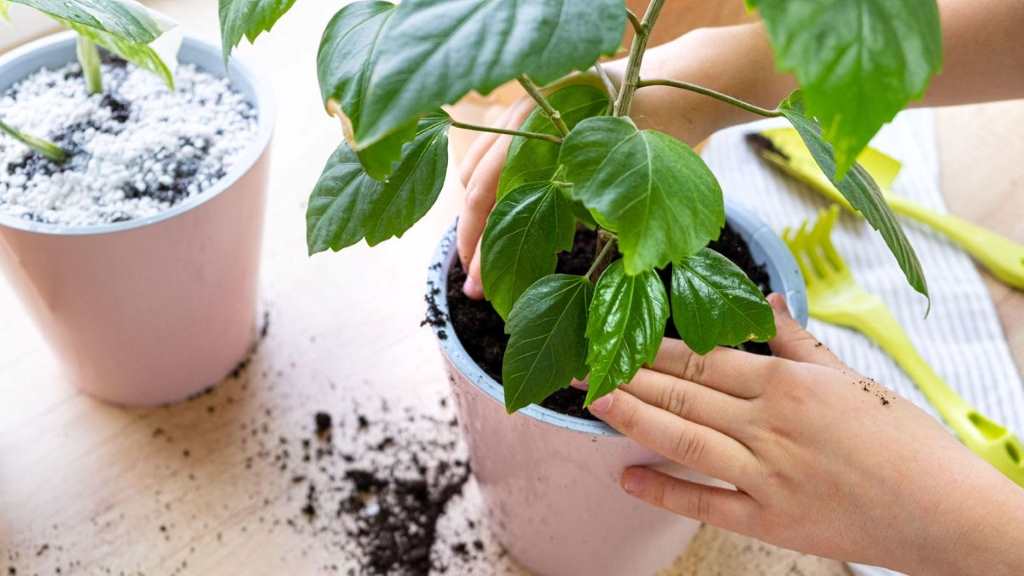
Potted plants bring life, beauty, and sometimes unwanted pests into our homes and gardens. These tiny intruders can wreak havoc on your carefully cultivated greenery, but fear not! With some knowledge and proactive measures, you can effectively protect your potted plants and keep them thriving.
Understanding Common Potted Plant Pests
Before delving into prevention and treatment, it’s crucial to familiarize yourself with the usual suspects that might target your potted plants:
- Aphids: These tiny, pear-shaped insects come in various colors and suck sap from plants, causing stunted growth and yellowing leaves.
- Mealybugs: These white, cottony pests also feed on plant sap, leaving behind a sticky residue that attracts ants and sooty mold.
- Spider Mites: These minuscule arachnids spin fine webs and suck plant juices, leading to stippling and discoloration of leaves.
- Fungus Gnats: These small, flying insects thrive in moist soil and their larvae feed on roots, weakening plants.
- Scale Insects: These immobile pests look like bumps on stems and leaves, feeding on sap and excreting honeydew.
Prevention is Key
The best way to manage pests is to prevent them from establishing a foothold in the first place. Here are some proactive steps you can take:
- Start with Healthy Plants: When purchasing new plants, inspect them thoroughly for any signs of pests or diseases. Choose plants that are vibrant and pest-free.
- Quarantine New Plants: Before introducing new plants to your existing collection, isolate them for a few weeks to ensure they aren’t harboring any hidden pests.
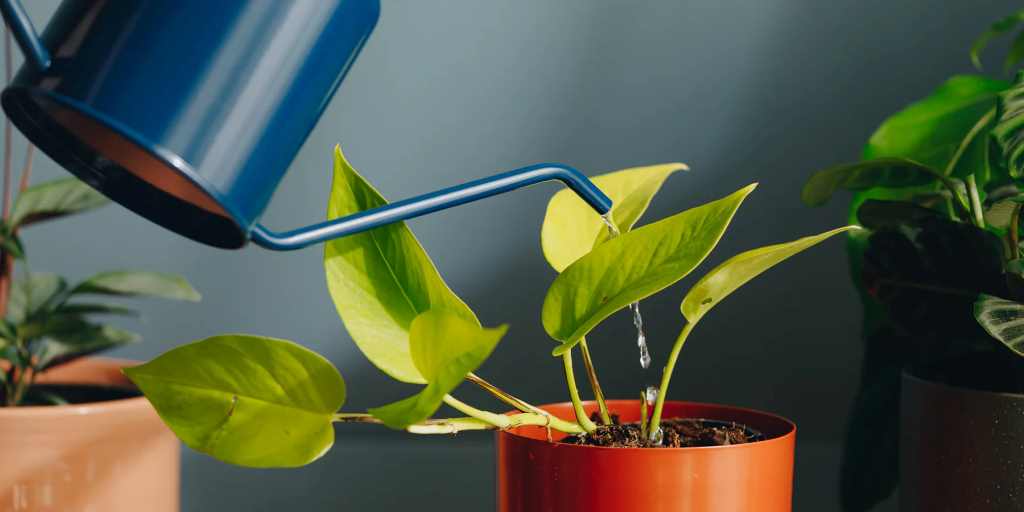
- Proper Watering Practices: Overwatering creates a moist environment that attracts fungus gnats and other pests. Water your plants only when the top inch of soil is dry.
- Maintain Good Air Circulation: Ensure adequate spacing between your potted plants to allow for good air circulation, which helps to deter fungal diseases and some pests.
- Regularly Inspect Your Plants: Make it a habit to inspect your plants regularly for any signs of pests, such as webbing, sticky residue, or discolored leaves. Early detection is crucial for effective treatment.
- Keep Your Growing Area Clean: Remove fallen leaves, debris, and spent flowers promptly, as they can harbor pests and create breeding grounds.
- Natural Pest Repellents: Consider using natural pest deterrents like neem oil, insecticidal soap, or garlic spray. These can be effective against a variety of pests and are safer for the environment. When learning how to care for dianthus in pots, these natural methods can help maintain a healthy plant without harming beneficial insects. For more detailed advice on plant care, read more about the best practices and tips for dianthus and other garden favorites.
Treatment Options
If you do discover pests on your potted plants, don’t panic! There are several treatment options available:
- Manual Removal: For small infestations, you can often manually remove pests by handpicking or wiping them off with a damp cloth.
- Pruning: If the infestation is localized, you can prune affected leaves or stems to prevent the spread of pests.
- Water Spray: A strong stream of water can dislodge aphids and other soft-bodied pests from your plants.
- Insecticidal Soap: This gentle soap solution is effective against aphids, mealybugs, and spider mites.
- Neem Oil: Neem oil acts as a repellent, insecticide, and fungicide, making it a versatile option for pest control.
- Beneficial Insects: Introducing beneficial insects like ladybugs or lacewings can help to control pest populations naturally.
Additional Tips
- Repotting: If the infestation is severe, repotting your plant with fresh soil can help to eliminate pests that are hiding in the soil.
- Homemade Remedies: Several homemade remedies, such as garlic spray or soapy water, can be effective against certain pests. Research and choose the ones that are appropriate for your specific pest problem.
- Professional Help: If all else fails, consult with a local nursery or gardening expert for advice and assistance.
Remember: Consistent vigilance and prompt action are key to keeping your potted plants pest-free and thriving. By following these guidelines and tailoring your approach to the specific pests you encounter, you can enjoy beautiful, healthy plants without the unwanted company of pests.