
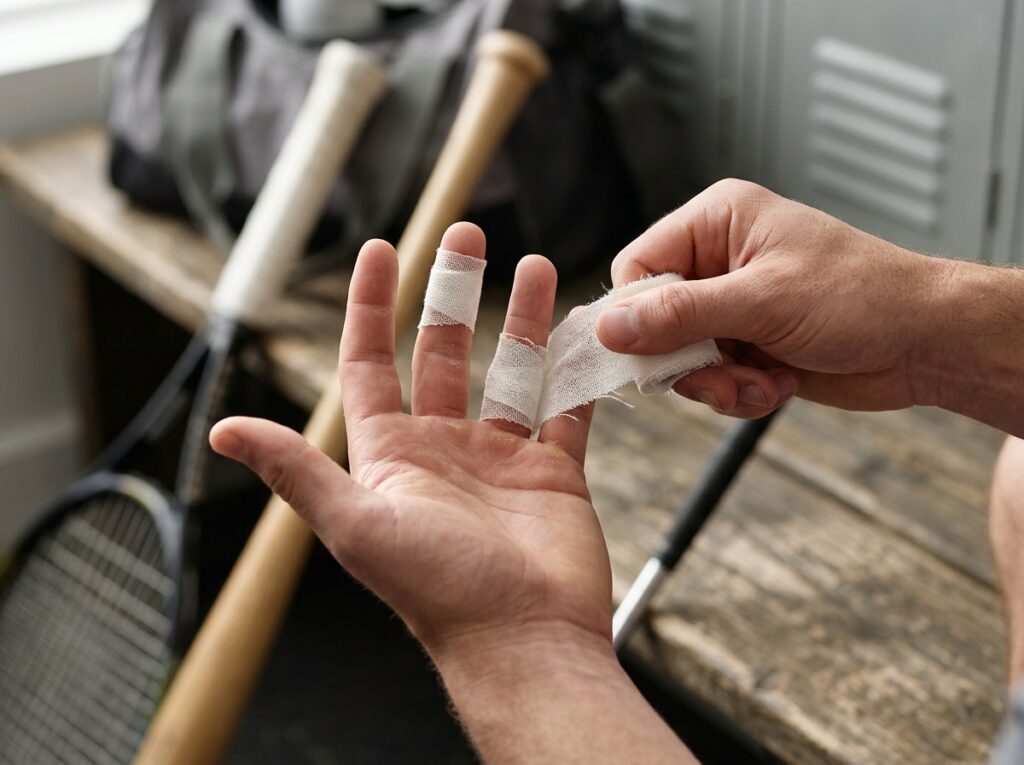
Any golfer knows the feeling: you finish a round, pull off your glove, and find a hot spot forming on your palm or a tender blister under your ring finger. Gripping a club, bat, or racket creates friction, moisture, and pressure — the three conditions that produce blisters and calluses. If you want to keep playing without pain, you need to control all three. That starts with a glove that fits well and lasts, then continues with how you grip, care for your hands, and respond when a blister first appears. Choosing durable golf gloves is one of the most practical steps you can take to protect your hands over a full season of play.
Quick Answer
Prevent blisters and calluses by reducing friction and moisture at the grip. Wear a properly fitted glove or tape, keep your hands dry, build grip strength gradually, and stop when you feel a hot spot forming. Calluses aren’t always bad—they harden skin and protect against future blisters—but painful blisters mean you need to adjust your grip, glove, or playing volume.
Key Takeaways
- Friction, moisture, and pressure cause blisters; controlling all three is more effective than treating them afterward.
- A glove that fits snugly without pinching and dries between uses protects skin better than a loose or saturated glove.
- Grip pressure matters — squeezing too hard or too loosely both increase rubbing against the skin.
- Stop at the first hot spot; covering it early prevents a minor irritation from becoming a full blister.
- Some callus formation is normal and protective, but thick, cracked calluses need attention and possibly filing.
Why Blisters and Calluses Form on Your Hands
Blisters and calluses are the skin’s response to repeated mechanical stress. When you grip a club, bat, or racket, the surface of your skin moves against the handle while the deeper layers stay relatively fixed. That shearing force separates skin layers and creates a fluid-filled pocket — a blister. Lower-level, repeated friction instead triggers the skin to thicken, producing a callus.
Three factors drive this process:
- Friction — the direct rubbing of skin against a grip, glove seam, or tape.
- Moisture — sweat softens skin and makes it more vulnerable to tearing and blistering.
- Pressure — the force of your grip concentrates stress on specific spots like the base of the fingers and the palm.
Remove or reduce any one of these and you cut your risk substantially. Handle all three and you can play consistently without recurring hand problems.
Prevention Starts Before You Swing
Most blisters begin long before you feel them. Your equipment setup and grip habits determine how much friction your hands endure during a round or practice session.
Get the Glove Right
A glove that fits correctly distributes pressure across your hand instead of concentrating it. Look for a snug fit with no loose material bunching in the palm or between the fingers. Loose fabric folds create ridges that rub against the skin; an overly tight glove restricts circulation and can cause numbness.
Material also matters. Leather gloves mold to your hand over time and provide consistent feel, while synthetic blends may wear differently. Whichever you choose, rotate between at least two gloves so each one dries fully between sessions. A damp glove loses grip and creates more friction.
Check Your Grips
Worn or slick grips force you to squeeze harder to maintain control, increasing pressure and friction. Inspect your club, bat, or racket grips regularly. Replace them when they feel smooth, shiny, or hard. A fresh grip lets you hold the handle with less force, which directly reduces the stress on your skin.
Manage Moisture
Dry your hands and grips during play. Keep a towel handy, especially in humid conditions. Some players use a small amount of powder or a drying agent on their hands, though too much can reduce feel. Change your glove if it becomes saturated — a wet glove is worse than no glove in many cases.
Grip Technique That Protects Your Hands
How you hold the club, bat, or racket influences where friction concentrates. A grip that sits correctly in the fingers rather than deep in the palm reduces rubbing on the most sensitive areas.
For golf specifically, the club should rest primarily across the fingers of the lead hand, with the handle running from the base of the pinky toward the middle of the index finger. Gripping too much in the palm places the handle against thinner, more vulnerable skin.
Grip pressure should be firm enough to control the club but not so tight that your forearms tense. A useful benchmark: hold the club as if you were holding a tube of toothpaste without squeezing any out. Tension increases pressure points and accelerates blister formation.
Build Tolerance Gradually
Skin adapts to friction over time, but only if you give it a chance. At the start of a season or after a break, begin with shorter sessions and increase volume gradually. Hitting 200 balls on your first day back invites blisters. Hitting 50 for a few days builds tolerance without damage.
When a Hot Spot Appears: Immediate Response
The moment you feel a hot spot — that warm, tender sensation on your palm or finger — stop and address it. A few seconds of attention now prevents days of discomfort later.
- Dry the area and your hands.
- Apply a piece of athletic tape, a blister patch, or a thin bandage over the spot.
- Adjust your glove or add tape to the grip if the problem is equipment-related.
- Reduce grip pressure if you notice yourself squeezing harder than usual.
- If the hot spot persists, end the session rather than pushing through.
If a blister does form, keep it clean and covered. Do not pop it unless it is large and painful, and if you must drain it, use a sterile needle and leave the roof of the blister intact. Seek medical attention if you see signs of infection such as redness, swelling, or pus.
Calluses: When They Help and When They Hurt
Calluses are not the enemy. A moderate callus on the palm or fingers protects against future blisters and reflects your skin adapting to the demands of your sport. Many experienced players consider them a normal part of play.
Problems arise when calluses become thick enough to crack or tear. Cracked calluses are painful and open the door to infection. To manage them:
- Moisturize your hands regularly, especially after play and before bed.
- File down thickened calluses gently with a pumice stone or callus file, but do not remove them entirely — some thickness is protective.
- Avoid cutting calluses with blades, which can lead to injury and infection.
- If a callus becomes painful or changes color, have it evaluated.
The goal is controlled, healthy callus formation — not elimination.
Building a Hand Care Routine
Consistent care between sessions keeps your skin resilient. A simple routine covers most needs:
- Before play: Wash and dry your hands, check your glove and grips, and apply tape to any known problem areas.
- During play: Keep a towel available, manage moisture, and address hot spots immediately.
- After play: Wash your hands, moisturize, and inspect for new irritation or callus changes.
- Weekly: Examine gloves for wear and grips for slickness; replace as needed.
- Seasonally: Rebuild tolerance gradually after any extended break from play.
If you want to browse equipment that supports these habits, the range of gloves and accessories at golfplayerhub.com can be a useful starting point for comparing options. The right gear complements good technique — it does not replace it.
Frequently Asked Questions
Should I wear a glove on both hands?
Most golfers wear one glove on the lead hand, but players who grip the club hard, play in humid conditions, or have sensitive skin sometimes wear two. Try both and see which reduces friction and maintains feel for you.
Can I play with a blister?
You can play with a small, intact blister if you cover it properly with a patch or tape. A large, painful, or open blister is a sign to rest — continuing to play can worsen the injury and risk infection.
Do calluses mean my grip is wrong?
Not necessarily. Calluses on the fingers and palm are common and often reflect normal adaptation. However, calluses concentrated in unusual spots, or accompanied by recurring blisters, may indicate a grip or equipment issue worth reviewing.
How often should I replace my golf glove?
Replace it when the leather feels slick, the palm wears thin, or the glove no longer fits snugly. Most regular players go through gloves every few weeks to a few months, depending on material and playing frequency.
Does tape prevent blisters better than a glove?
Both work. Tape offers targeted protection and stays effective when wet, while a glove provides full-hand coverage. Many players use tape on known problem areas in addition to a glove for extra insurance.
What if my hands sweat excessively?
Choose a breathable glove, keep a towel nearby, and consider a drying agent on your hands before play. Rotating gloves mid-round can also help, since a soaked glove loses grip and increases friction.
Conclusion
Blisters and calluses come down to friction, moisture, and pressure — and you can manage all three. Start with properly fitted equipment, keep your grips and hands dry, and build playing volume gradually so your skin adapts. When a hot spot appears, handle it immediately rather than pushing through. A little discipline with hand care protects your grip, your comfort, and your ability to keep playing. Healthy calluses are fine; painful blisters are a signal to adjust something before the next round.