

California’s unique climate zones create both opportunities and challenges for maintaining a lush lawn. From sun-scorched summers to mild, wet winters, beginners need a tailored, seasonal lawn care routine. California Beginner Lawn Care: Seasonal Basics is more than just watering and mowing—it’s a strategic process that changes with the seasons. California Seasonal Basics to Grow a Healthy Lawn Year-Round reveals everything you need to know to keep your grass green, healthy, and beautiful throughout the year.
Understanding California’s Climate Zones
Before diving into seasonal strategies, it’s crucial to understand California’s climate diversity. The state has 10 USDA hardiness zones, ranging from coastal cool to scorching desert. According to the California Department of Water Resources, about 50% of residential water use goes to outdoor landscaping, mainly lawns. That’s why efficient care is not just smart—it’s essential.
Coastal areas like San Francisco have cooler, foggier conditions. Meanwhile, cities like Sacramento and Bakersfield endure hot, dry summers. Southern California, particularly Los Angeles and San Diego, enjoys mild winters and long dry seasons. These differences affect everything from the type of grass you plant to your fertilization schedule.
Spring: Laying the Groundwork for Growth
Spring in California typically spans March through May, with warming temperatures and increasing daylight hours. This is the perfect time to assess winter damage and prep your lawn for robust growth.
Here’s what to focus on in spring:
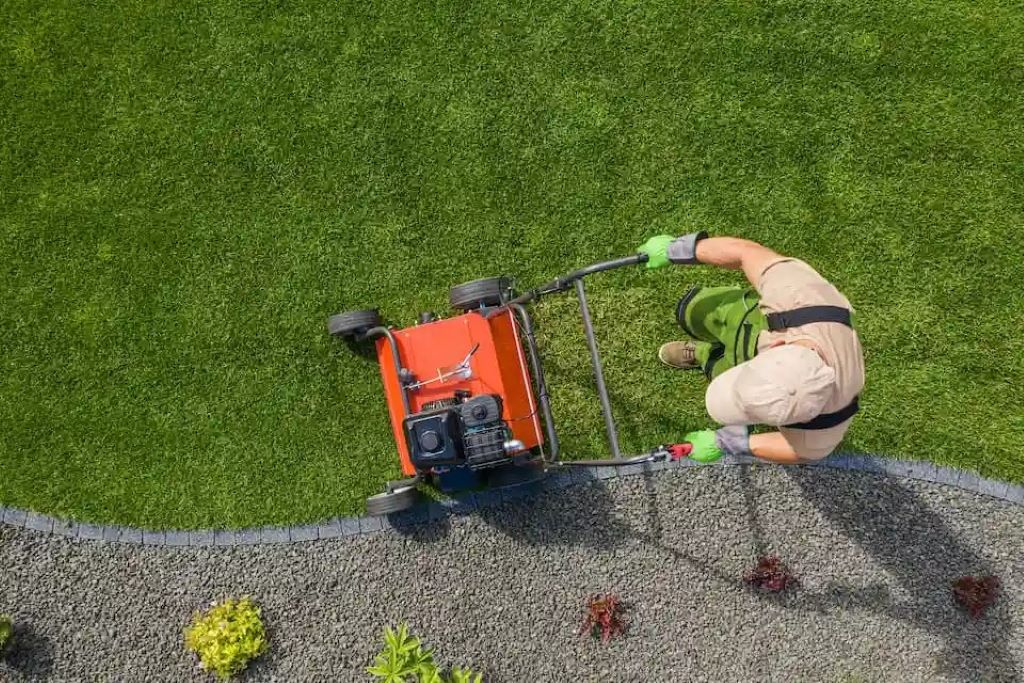
- Dethatching and aeration: Lawns in compacted soils benefit immensely from aeration. It promotes root growth and improves water infiltration.
- Pre-emergent weed control: Applying pre-emergents in early spring helps block invasive weeds like crabgrass before they sprout.
- Fertilization: Use a nitrogen-rich, slow-release fertilizer to jumpstart grass growth without burning the roots. For example, Scotts Turf Builder is formulated for cool and warm-season grasses.
Experts like the University of California Agriculture and Natural Resources Division recommend applying fertilizer in April when the grass actively grows. Mow regularly, but never cut more than one-third of the blade length. Doing so stresses the lawn and promotes weed growth.
Summer: Defend Against Heat and Drought
California summers, especially inland, can be brutal. The combination of high temperatures and minimal rainfall places your lawn under severe stress. Watering becomes your top priority—but smarter, not just more frequent.
Summer lawn care includes:
- Water deeply but infrequently: Aim for early morning irrigation to minimize evaporation. Watering two to three times per week suffices for most grasses.
- Mulching and mowing high: Leaving grass clippings on the lawn adds moisture retention and nutrients. Taller grass also shades the soil, reducing evaporation.
- Monitor for pests: Summer heat invites grubs and chinch bugs. Watch for brown patches and take early action with eco-safe treatments.
The California Landscape Contractors Association (CLCA) warns that overwatering is one of the top lawn care mistakes. It leads to fungal infections and weak root systems. Use a soil moisture meter to avoid guesswork and conserve water.
Fall: Strengthen and Repair
Fall, spanning September through November, is a transition period where lawns recover from summer stress. It’s also an excellent time for seeding and repair work.
Key fall care tips:
- Overseed thin areas: Overseeding helps fill in bald patches and improves lawn density. This is vital for cool-season grass varieties like tall fescue or ryegrass.
- Fertilize for roots, not leaves: Use a high-phosphorus fertilizer to encourage root development before winter dormancy.
- Control fall weeds: Apply post-emergent herbicides for any surviving summer weeds.
Studies from the UC Integrated Pest Management Program suggest that lawns receiving fall fertilization grow thicker and resist winter diseases better. Additionally, continue mowing until the grass stops growing, gradually lowering the mower height as the season ends.
Winter: Rest and Light Maintenance
California’s winters are generally mild, especially in the south. However, that doesn’t mean you can neglect your lawn. Grass slows down, but it doesn’t stop growing completely.
Winter tips include:
- Minimize foot traffic: Cold, wet lawns are more susceptible to damage from compression.
- Clean up debris: Remove fallen leaves and branches. They trap moisture and invite fungal growth.
- Monitor rainfall: Supplement watering during extended dry spells, especially in Southern California.
Winter is also the time to plan for the next year. Soil testing in January helps identify nutrient imbalances so you can amend the soil before spring.
Choosing the Right Grass Type
Grass type matters. California’s climate supports both warm-season and cool-season grasses. Here are some recommended options:
- Warm-season: Bermuda, St. Augustine, Zoysia (great for Southern California)
- Cool-season: Tall fescue, ryegrass, Kentucky bluegrass (ideal for Northern and Central California)
According to LawnStarter.com, tall fescue is the most popular choice in California due to its drought tolerance and year-round green color. Bermuda, while drought-resistant, tends to go dormant and brown in winter.
Real Results: A Beginner’s Success Story
Take Greg, a new homeowner in Riverside. His lawn was patchy and overrun with weeds. After following seasonal lawn care basics—especially spring dethatching and fall overseeding—he transformed his yard in just one year. With a mix of tall fescue and routine maintenance, his once barren lawn became the envy of the block.
FAQs: California Beginner Lawn Care: Seasonal Basics
- What is the best month to fertilize in California?
April and October are ideal for spring and fall applications, respectively. - How often should I mow my lawn in California?
During active growth (spring and summer), mow once every 7–10 days. - How much water does my lawn need per week?
Most California lawns need 1–1.5 inches of water weekly, adjusted seasonally. - Can I seed my lawn in summer?
It’s not recommended. High heat makes seed establishment difficult. Fall and spring are better. - How do I know if my lawn needs aeration?
If water puddles or the soil feels hard, it’s time to aerate—ideally in spring or fall. - Are there drought-tolerant grasses for California?
Yes, tall fescue and Bermuda grass are both drought-tolerant and suitable for California climates. - Do I need different care routines for different regions in California?
Yes. Coastal, inland, and desert regions each require adjusted schedules and grass types.
Final Thought
California Beginner Lawn Care: Seasonal Basics is not just about having green grass—it’s about creating a sustainable, thriving landscape. By understanding the seasonal rhythms of your local climate and adapting accordingly, even a first-time homeowner can build a stunning lawn. Real success lies in consistency, smart watering, and knowing when to act. Your lawn can be a source of pride—not a source of stress.
Read More:
The Impact of Underfloor Heating on Plant Root Health in Floor Gardens