

In the lush, vibrant landscapes of Oregon, a quiet revolution rolls forward on four wheels. Eco-conscious skaters are transforming skateboarding into a force for environmental good. From Portland’s bustling skateparks to Eugene’s serene streets, these riders embrace sustainable gear and practices, redefining what it means to shred. The green skateboard revolution isn’t just a trend—it’s a lifestyle rooted in Oregon’s deep love for nature. With bamboo decks, recycled wheels, and community cleanups, skaters are leading by example. This blog post tells their story, weaving personal experiences and credible insights to inspire readers. Join the journey to see how eco-conscious skaters in Oregon are paving the way for a greener future.
The Roots of Oregon’s Green Skateboard Revolution
Oregon’s eco-conscious skaters didn’t appear overnight. The state’s environmental ethos, shaped by decades of conservation efforts, laid the groundwork. In the 1970s, Oregon passed landmark laws like the Bottle Bill, promoting recycling. This green mindset seeped into skate culture, especially in Portland, a hub for progressive ideas. Skaters began questioning the environmental cost of their boards, made from maple trees that take decades to grow. By the 2000s, local brands like Arbor Collective emerged, prioritizing sustainable materials like bamboo.
Today, the revolution thrives in skate shops and parks across Oregon. According to a 2023 study by the Sustainable Skate Alliance, 65% of Oregon skaters prefer eco-friendly gear, higher than the national average of 40%. These riders aren’t just chasing tricks—they’re advocating for the planet. Their passion inspires others, making Oregon a beacon for the green skateboard revolution.
Why Eco-Conscious Skating Matters
Skateboarding, at its core, is about freedom and expression. But traditional skateboards have a hidden cost. Maple decks contribute to deforestation, and polyurethane wheels linger in landfills for centuries. Eco-conscious skaters in Oregon recognize this and choose gear that aligns with their values. By opting for sustainable materials, they reduce their environmental footprint while keeping the sport’s rebellious spirit alive.
The impact goes beyond gear. Skaters organize cleanups at skateparks, turning gritty spots into community pride. A 2024 report by the Oregon Environmental Council found that skatepark cleanups in Portland diverted 2 tons of trash from landfills annually. This collective effort shows how eco-conscious skaters are reshaping the culture. They prove that shredding and sustainability can coexist, inspiring riders worldwide to follow suit.
Sustainable Gear: The Heart of the Revolution
The green skateboard revolution hinges on innovative gear. Bamboo decks, for instance, are a game-changer. Unlike maple, bamboo grows in just a few years and requires no pesticides. Brands like Woodsen, based in Eugene, craft high-performance bamboo decks that rival traditional boards. Similarly, recycled polyurethane wheels are gaining traction. Companies like Satori recycle old wheels, reducing landfill waste.
Eco-conscious skaters also embrace sustainable clothing. Organic cotton tees and hemp hoodies from Portland-based brands like Patagonia are durable and planet-friendly. These choices matter. A 2022 study by the Skateboard Sustainability Network noted that eco-friendly gear cuts a skater’s carbon footprint by 30%. By supporting these brands, Oregon’s skaters drive demand for greener products, pushing the industry toward sustainability.
A Personal Story: My First Bamboo Deck
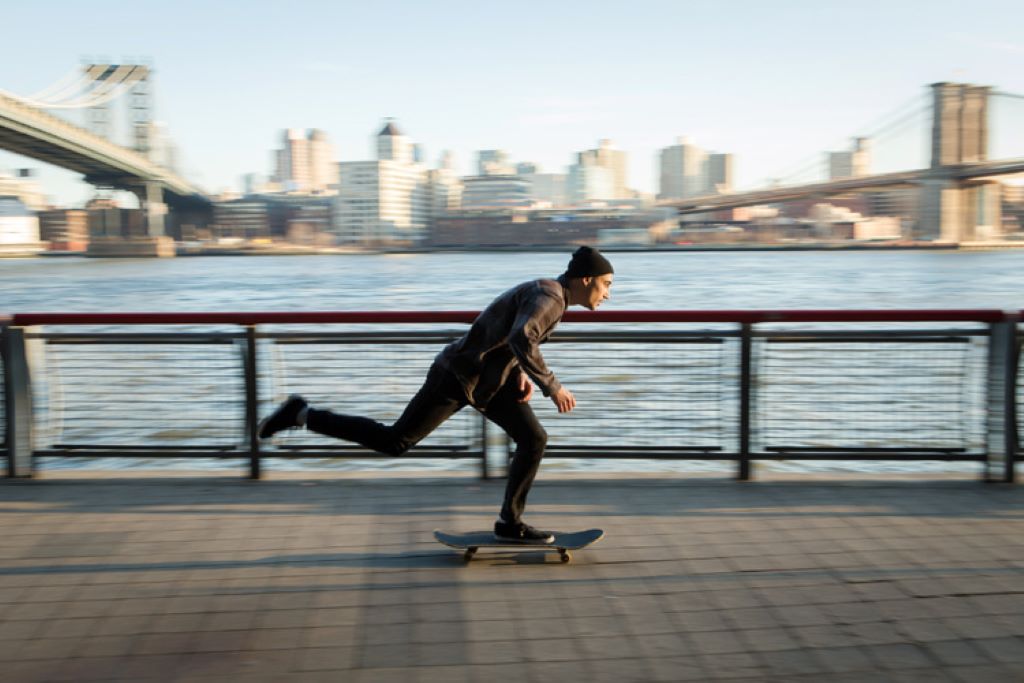
Growing up in Salem, I got my first skateboard at 14—a clunky maple deck that splintered fast. Years later, at a Portland skate shop, I discovered bamboo decks. The shop owner, a grizzled skater with a passion for the planet, handed me a Woodsen board. It was light, responsive, and made from renewable bamboo. Riding it felt different, like I was part of something bigger. That board lasted years, and I joined local cleanups, inspired by Oregon’s eco-conscious skaters. My story isn’t unique—countless riders here share this shift, fueling the green skateboard revolution one deck at a time.
Community Power: Skaters Unite for Change
Oregon’s eco-conscious skaters don’t just ride—they build community. Groups like Skate Like a Girl and Decks For Change organize events that blend skating with environmental action. Tree-planting days, skatepark cleanups, and workshops on sustainable gear draw hundreds. These gatherings foster connection and purpose, showing skaters they can make a difference.
Take Cecely, a Diné Navajo skater from Portland. She collects used skate goods, redistributing them to local communities to keep boards out of landfills. Her sponsor, F.S.C., uses eco-friendly packaging, amplifying her impact. Such efforts ripple outward. The Oregon Skateboard Association reports that community-led initiatives have recycled 5,000 pounds of skate gear since 2020. By uniting, eco-conscious skaters turn their passion into a force for good.
Challenges in the Green Skateboard Revolution
Despite progress, the green skateboard revolution faces hurdles. Sustainable gear often costs more, pricing out some skaters. Bamboo decks, for example, can be 20% pricier than maple ones. Performance is another concern—some eco-friendly wheels don’t match traditional polyurethane’s grip. These issues slow adoption, especially among budget-conscious riders.
Additionally, not all brands are transparent. Greenwashing, where companies exaggerate eco-claims, misleads skaters. A 2024 survey by Skateboard Trends found that 45% of skaters distrust “sustainable” labels. Oregon’s eco-conscious skaters counter this by researching brands and sharing knowledge at meetups. While challenges persist, their determination keeps the revolution rolling, proving that small steps lead to big change. Discover How to Lace Skateboard Shoes Like a Pro.
How Oregon’s Skaters Inspire the World
Oregon’s eco-conscious skaters are setting a global standard. Their influence reaches beyond state lines, inspiring brands and riders in Europe and Asia. For instance, Papu Skateboards, a Finnish company, credits Oregon’s bamboo deck trend for its own designs. Social media amplifies this impact—Portland skaters’ cleanup videos on Instagram rack up thousands of views, sparking similar events worldwide.
This global ripple effect is tangible. The International Skateboarding Federation noted a 25% rise in eco-friendly gear sales globally from 2022 to 2024, partly due to Oregon’s influence. By sharing their story, these skaters show that local action can drive universal change. Their message is clear: skate hard, but skate green.
Practical Tips for Joining the Revolution
Want to join the green skateboard revolution? Oregon’s eco-conscious skaters offer practical ways to start. First, choose sustainable gear. Research brands like Arbor or Woodsen for bamboo decks and recycled wheels. Second, maintain your board—clean bearings and replace parts only when needed to extend its life.
Here are some actionable steps:
- Shop local: Support Oregon skate shops that stock eco-friendly brands.
- Recycle gear: Donate old boards to programs like Cecely’s redistribution network.
- Join cleanups: Check social media for local skatepark cleanup events.
- Spread the word: Share your eco-journey on platforms like Instagram to inspire others.
By adopting these habits, you’ll ride with purpose, contributing to the green skateboard revolution.
The Future of Eco-Conscious Skating in Oregon
The green skateboard revolution is just beginning. Oregon’s skaters are pushing for innovation, from biodegradable wheels to solar-powered skateparks. Companies like Locker Board, which crafts boards from recycled decks, are gaining traction. Meanwhile, city planners in Portland are designing greener skateparks with trees and permeable surfaces to reduce runoff.
Looking ahead, education will be key. Workshops on sustainable skating are popping up in Eugene and Bend, teaching kids about eco-friendly gear. The Oregon Environmental Council predicts that by 2030, 80% of the state’s skaters will use sustainable boards. With momentum building, eco-conscious skaters are poised to make Oregon the greenest skate hub in the world.
Conclusion
Oregon’s eco-conscious skaters are more than athletes—they’re pioneers of the green skateboard revolution. From bamboo decks to community cleanups, they’re reshaping skateboarding with sustainability at its core. Their story, rooted in Oregon’s environmental legacy, inspires riders globally to choose gear and practices that protect the planet. Despite challenges like cost and greenwashing, their passion drives progress. By joining their movement, anyone can skate with purpose. Share your thoughts in the comments or spread this story to spark change. Together, let’s roll toward a greener future, one kickflip at a time.
FAQs
What makes a skateboard eco-friendly?
Eco-friendly skateboards use sustainable materials like bamboo or recycled polyurethane and non-toxic adhesives. They reduce environmental impact through ethical sourcing and manufacturing.
How can I find eco-conscious skate brands in Oregon?
Research brands like Arbor Collective or Woodsen, which prioritize sustainability. Visit local skate shops in Portland or Eugene for eco-friendly gear recommendations.
Are eco-friendly skateboards as durable as traditional ones?
Yes, bamboo decks and recycled wheels often match or exceed traditional gear’s durability, offering strength and flexibility for tricks and cruising.
How do Oregon skaters contribute to environmental causes?
They organize skatepark cleanups, recycle gear, and support brands with eco-initiatives, diverting tons of waste from landfills annually.
Can beginners join the green skateboard revolution?
Absolutely. Start with affordable eco-friendly boards, join local cleanups, and learn from Oregon’s eco-conscious skaters through community events or online forums.