

Key Takeaways
- Next-generation lighting solutions offer significant energy efficiency and lower long-term operating expenses.
- Smart lighting and automation improve safety, comfort, and productivity across many applications.
- Modern lighting systems support sustainability efforts by reducing energy waste and environmental impact.
The lighting industry is undergoing a technological revolution, reshaping how we illuminate our homes, workplaces, and public spaces. As energy concerns and environmental awareness rise, the adoption of next-generation lighting stands out as a smart strategy for individuals and businesses alike. Those interested in learning more about these innovations can discover a variety of LED lighting benefits that make these advanced technologies so appealing.
A noticeable shift is underway toward intelligent, high-efficiency lighting systems that do far more than just brighten a room. These systems are improving operational efficiency, reducing operational costs, and aligning organizations with evolving environmental, social, and governance (ESG) goals. As more sectors embrace advanced lighting, the positive impact on energy use, productivity, and safety is becoming increasingly evident.
Enhanced Energy Efficiency
One of the most compelling reasons to upgrade to next-generation lighting is the substantial improvement in energy efficiency. Modern LED lighting systems consume a fraction of the energy used by traditional incandescent and fluorescent bulbs. To put this in perspective, LED technology has evolved to deliver up to 200 lumens per watt, compared to approximately 15 lumens per watt for older incandescent lights. This leap in performance means not only less energy consumed but also lower utility bills and reduced strain on the power grid.
Integration with Smart Controls
Advancements in lighting are not just about the bulbs themselves. Leading-edge systems are now equipped with smart controls and seamlessly connect to the Internet of Things (IoT). Such integration enables automated adjustments based on occupancy, daylight levels, and personalized user settings. For businesses, combining lighting with building management systems and HVAC systems can significantly reduce overall energy consumption. Occupancy and daylight sensors automatically reduce output in unoccupied or sunlit areas, ensuring users only pay for the lighting they need.
Improved Safety and Productivity
Beyond energy savings, advanced lighting plays a crucial role in workplace safety and productivity. Well-designed LED systems with motion sensors, consistent color temperatures, and optimized brightness reduce the risk of accidents in industrial and commercial settings. Proper illumination is linked to lower rates of workplace injuries and better visual comfort, which can directly improve concentration and output. For example, BASF’s transition to intelligent LED lighting systems not only reduced energy costs by 65 percent but also improved safety metrics across its facilities.
In addition, upgraded lighting fosters a sense of well-being among employees and occupants. Research shows that modern lighting can positively influence mood and alertness, supporting healthier, more productive environments. Schools and hospitals, for example, report improved attendance and satisfaction after updating to adaptive lighting solutions.
Environmental Sustainability
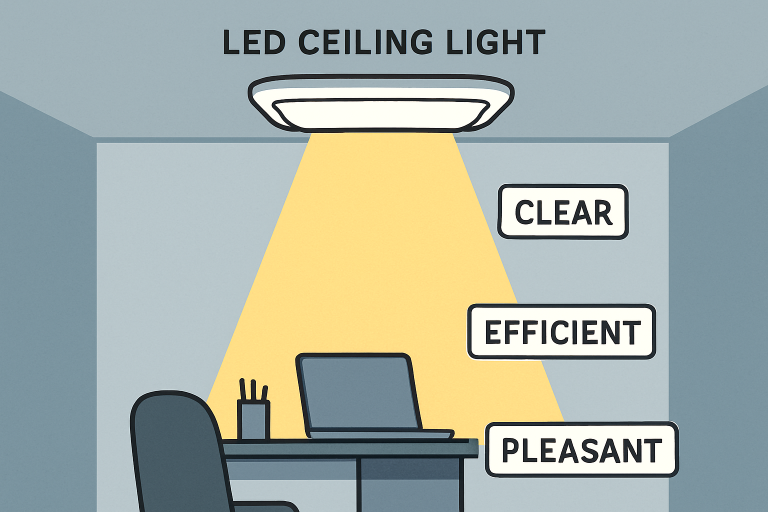
Incorporating next-generation lighting is a straightforward pathway toward environmental sustainability. Unlike many legacy lighting options, LEDs are free of hazardous substances like mercury. This makes disposal safer and reduces hazardous waste. Furthermore, LEDs last significantly longer, reducing the need for replacements and reducing landfill waste. Municipalities and organizations switching to LEDs report a substantial reduction in their carbon footprint, supporting broader sustainability and ESG objectives.
Cost Savings and Return on Investment
Despite a higher initial investment for next-generation lighting, the payback period is often short when considering the comprehensive savings. Organizations can expect reduced utility bills, lower maintenance expenses, and attractive rebates or tax benefits for energy-efficient upgrades. Calculation examples show that replacing a 400-watt metal halide fixture with a 150-watt LED fixture can deliver annual savings of nearly $183 per fixture, which rapidly scales across larger facilities. Maintenance costs also decrease, since these lights last much longer between replacements. Many regions also offer incentives or grant programs that help offset upfront costs, further strengthening the financial case.
Adaptability to Various Environments
A key value of next-generation lighting solutions is their versatility. Their advanced features are not limited to high-tech office buildings. These lighting systems provide equal benefits in warehouses, manufacturing plants, retail stores, educational institutions, and residential settings. Their multiple configuration options ensure each unique environment receives optimal brightness, color temperature, and control capabilities. The flexibility of these technologies helps decision-makers cater to a broad spectrum of user needs and achieve specific project goals.
Conclusion
Next-generation lighting solutions are more than just a technological upgrade; they are an investment in energy efficiency, operational excellence, and sustainability. The integration of smart controls, adaptability to various spaces, and notable cost reductions confirm the transformative impact of modern lighting. As global awareness grows about energy use and environmental stewardship, adopting advanced lighting is no longer just an option; it is an essential step toward a brighter, more responsible future.