
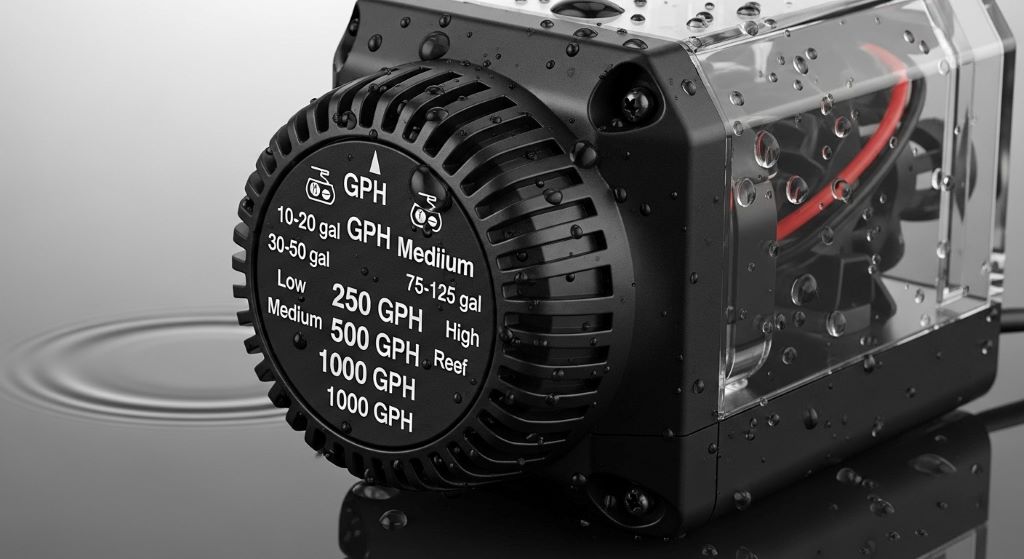
Selecting the right pump for your aquarium can feel overwhelming when you’re faced with countless options and technical specifications. However, understanding how to match pump capacity to your specific tank needs doesn’t have to be complicated. This comprehensive guide will help you navigate the process of choosing a pump that keeps your aquatic environment healthy and thriving.
Water circulation plays a crucial role in maintaining a balanced ecosystem within your aquarium. The right pump ensures proper filtration, oxygenation, and temperature distribution throughout the tank. Conversely, an incorrectly sized pump can create problems ranging from insufficient filtration to stressed fish struggling against excessive current.
Understanding GPH and Why It Matters
GPH stands for gallons per hour, which measures how much water a pump can move in sixty minutes. This metric serves as the foundation for selecting appropriate equipment for your aquarium. Different types of aquariums and livestock require different flow rates to thrive.
The GPH rating you’ll see on pump packaging represents the maximum output under ideal conditions. In reality, several factors reduce this number once you install the pump in your system. Understanding this difference helps you select a pump that delivers the actual flow rate your tank needs.
Most aquariums benefit from turning over the entire water volume four to ten times per hour. This means if you have a 50-gallon tank, you’ll want a pump that circulates between 200 and 500 gallons hourly after accounting for real-world efficiency losses.
Calculating Your Tank’s Actual Water Volume
Before selecting a pump, you need to know exactly how much water your aquarium holds. Surprisingly, the advertised tank size often differs significantly from the actual water volume inside it.
Tank manufacturers typically list the total glass volume, not the amount of water it holds after you add substrate, rocks, decorations, and equipment. A tank labeled as 75 gallons might only hold 60 gallons of actual water once you finish setting it up.
To calculate your true water volume, measure the length, width, and water height in inches. Multiply these three numbers together, then divide by 231 to get gallons. For example, a tank measuring 48 inches long, 18 inches wide, with water 20 inches deep contains approximately 75 actual gallons.
Remember to measure the water level, not the tank height. Most aquariums aren’t filled to the absolute top, which further reduces the actual volume. This accurate measurement ensures you select a pump matched to your real needs rather than the manufacturer’s tank label.
Determining the Right Flow Rate for Your Setup
Different aquarium types require vastly different water flow rates. A peaceful community tank housing slow-swimming fish needs gentler circulation than a reef aquarium with corals that depend on strong current for feeding and waste removal.
Freshwater community tanks generally perform well with four to six times turnover per hour. This moderate flow keeps water filtered and oxygenated without creating stress for fish like bettas, tetras, or angelfish that prefer calmer conditions.
Reef aquariums typically need higher flow rates, often ten to twenty times per hour or even more. Corals rely on water movement to bring nutrients and remove waste. Additionally, wave action prevents detritus from settling on delicate coral tissue.
Goldfish tanks benefit from robust filtration because these fish produce substantial waste. Aim for eight to ten times turnover hourly. However, goldfish aren’t strong swimmers, so position outlets carefully to create filtered zones with gentler current where fish can rest.
Planted tanks need moderate flow that doesn’t uproot plants or create dead zones where debris accumulates. Five to eight times turnover usually works well. Position outlets to create gentle circulation around plants without blasting them directly.
Accounting for Head Height and Resistance
The GPH rating printed on a pump box assumes zero resistance, which never happens in real installations. Every bend in tubing, vertical lift, and filter media your pump pushes water through reduces the actual flow rate.
Head height refers to the vertical distance water must travel from the pump to its destination. The higher water needs to climb, the harder the pump works and the less flow you get. A pump rated for 500 GPH might only deliver 350 GPH when lifting water three feet vertically.
Manufacturers usually provide head height charts showing how performance decreases as vertical distance increases. Check these charts before purchasing to ensure the pump delivers adequate flow at your specific head height.
Tubing diameter and length also impact performance. Narrow tubing creates more resistance than wider tubing. Long runs of tubing reduce flow more than short runs. Using the largest practical tubing diameter helps maintain flow rates closer to the pump’s maximum capacity.
Filter media adds significant resistance depending on type and density. Biological media, sponges, and mechanical filter pads all slow water movement. As media becomes dirty, resistance increases further. Factor in approximately 25 to 40 percent flow reduction for typical filtration setups.
Types of Aquarium Pumps and Their Applications
Several pump types serve different purposes in aquarium keeping. Understanding these differences helps you select the right tool for your specific application.
Submersible pumps sit inside your aquarium or sump, completely underwater. These pumps run quietly and don’t require priming since they’re always submerged. However, they add heat to the water, which can be problematic in warm climates or for cold-water species.
External pumps mount outside the aquarium, typically in a cabinet below the tank. These pumps handle higher flow rates and don’t add heat to the water. They’re ideal for large systems but can be noisier and require more maintenance to prevent air locks.
Powerheads create water circulation within the tank without necessarily connecting to filtration equipment. These devices supplement main filter pumps by eliminating dead spots and improving overall water movement. Many reef keepers use multiple powerheads to simulate natural wave patterns.
Air pumps power sponge filters and create bubbles for decoration or oxygenation. While not measured in GPH like water pumps, they still need proper sizing based on tank volume and the number of devices they’ll operate.
Return pumps in sump-based systems move water from the sump back to the display tank. These require careful sizing to match the overflow capacity and desired turnover rate while accounting for significant head height.
Selecting Pumps for Specific Tank Sizes
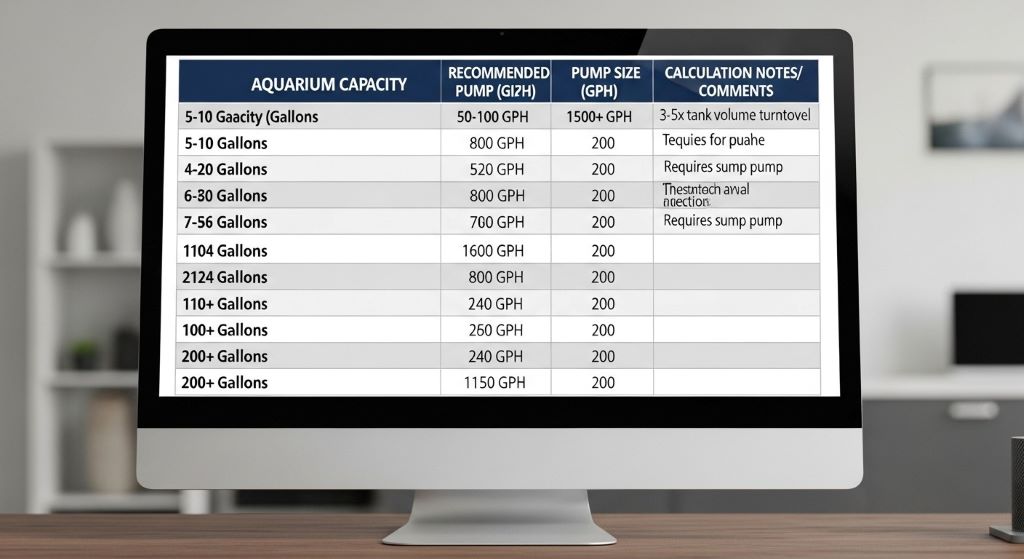
While general guidelines help, specific recommendations based on common tank sizes provide practical starting points for your pump selection process.
For tanks between 10 and 20 gallons, look for pumps rated between 50 and 150 GPH after accounting for head height. Small tanks need gentle circulation to avoid creating excessive turbulence that stresses small fish. Adjustable flow pumps work particularly well for nano tanks.
Tanks from 30 to 55 gallons typically need pumps delivering 150 to 400 GPH of actual flow. This range accommodates most freshwater community setups. If keeping messy fish or attempting reef systems in this size range, target the higher end of this spectrum.
Standard 75-gallon tanks perform well with pumps providing 300 to 750 GPH depending on livestock. Freshwater community tanks stay toward the lower end, while African cichlid tanks or reef systems need stronger flow.
Large tanks exceeding 100 gallons often benefit from multiple pumps rather than a single massive pump. This approach creates more even circulation and provides redundancy if one pump fails. Combine pumps to achieve your target turnover rate while maintaining manageable equipment.
Adjustability and Control Features
Modern aquarium pumps offer various features that make them more versatile and easier to manage than older models. These features often justify spending slightly more on a quality pump.
Variable speed controllers let you adjust flow rates to match your changing needs. You might reduce flow during feeding time so food doesn’t immediately get sucked into the filter. Nighttime flow reduction can give fish a rest period similar to calmer night conditions in nature.
Wave makers create randomized flow patterns that simulate natural water movement. This feature particularly benefits reef aquariums where constant unidirectional flow allows algae to establish on coral surfaces facing away from the current.
Timers and programmable controllers enable automatic flow adjustments throughout the day. You can create feeding modes, wave patterns, and reduced nighttime flow without manual intervention.
Energy efficiency varies significantly between pump models. DC pumps typically consume less electricity than AC pumps while often running quieter. Though initially more expensive, efficient pumps save money over their lifetime through reduced energy costs.
Noise Considerations and Placement
Pump noise can transform from a minor annoyance into a major problem, especially when the aquarium sits in a bedroom or quiet living space. Therefore, considering noise levels during selection prevents future frustration.
Submersible pumps generally run quieter than external pumps since water dampens sound. However, poorly installed submersible pumps can create resonance against the tank glass, amplifying vibrations throughout the entire aquarium.
Mounting external pumps on rubber pads or foam reduces vibration transmission to cabinets and floors. Never mount pumps directly to wood surfaces without dampening material between them. The difference in noise levels can be dramatic with proper isolation.
Cavitation causes loud rattling sounds when pumps run dry or develop air pockets. Ensure pumps stay fully submerged and that intake lines don’t introduce air bubbles. Regular maintenance prevents debris from blocking intakes and causing performance issues that increase noise.
Higher quality pumps typically run quieter than budget models. Reading reviews specifically mentioning noise levels helps identify particularly quiet or loud models before purchase. Sometimes spending an extra twenty dollars yields a significantly quieter running experience.
Backup Systems and Redundancy
Pump failure can quickly become catastrophic in aquarium systems, particularly in reef tanks or heavily stocked setups. Planning for potential failures protects your investment and livestock.
Keep a spare pump on hand that can temporarily replace your main pump if it fails. This backup doesn’t need to be identical to your primary pump but should provide adequate flow to maintain filtration and oxygenation until you obtain a proper replacement.
Battery backup systems maintain pump operation during power outages. These devices automatically activate when power fails, keeping water circulating for hours or even days depending on battery capacity. Reef keepers and those with valuable fish collections often consider these systems essential insurance.
Multiple smaller pumps sometimes provide better reliability than a single large pump. If one fails, the others continue operating while you address the problem. This redundancy costs more initially but provides peace of mind and better circulation patterns.
Maintenance Requirements and Longevity
All pumps require regular maintenance to perform optimally and achieve their expected lifespan. Understanding these requirements before purchase helps you choose equipment that matches your willingness to perform upkeep.
Impeller cleaning should occur every one to three months depending on your tank’s bioload and water conditions. Calcium deposits, algae, and debris accumulate on impeller blades and housings, reducing efficiency and increasing noise. This simple maintenance takes only minutes but significantly extends pump life.
Intake screens need regular checking to ensure debris doesn’t block water flow. Clogged intakes force pumps to work harder, reducing lifespan while decreasing performance. A quick weekly visual inspection prevents most intake problems.
Quality pumps from reputable manufacturers typically last three to five years with proper maintenance. Budget pumps might fail within a year or two. While premium pumps cost more upfront, their longevity often makes them more economical long-term investments.
Replacement parts availability matters when selecting a pump. Major brands stock impellers, seals, and other wear items that let you rebuild pumps rather than replacing them entirely. This parts availability extends useful life and reduces waste.
Common Mistakes to Avoid
Many aquarium keepers make predictable mistakes when selecting and installing pumps. Learning from others’ experiences helps you avoid these pitfalls.
Oversizing pumps creates excessive current that stresses fish and can blow substrate around the tank. More flow isn’t always better. Match pump capacity to your specific livestock needs rather than assuming maximum flow benefits every situation.
Ignoring head height calculations leads to disappointing performance when your new pump delivers far less flow than expected. Always calculate actual delivered flow at your installation height rather than relying on maximum GPH ratings.
Forgetting about filter media resistance causes similar disappointment. That 500 GPH pump might only push 300 GPH through your canister filter’s dense media. Account for this resistance when sizing your pump.
Using undersized tubing bottlenecks flow regardless of pump capacity. If your pump can deliver 400 GPH but you connect it to tubing that only passes 250 GPH, you’ve wasted money on excess pump capacity you’ll never utilize.
Neglecting maintenance allows pumps to gradually lose performance until they finally fail. Regular cleaning and inspection catch problems early and maintain efficiency. A well-maintained pump delivers consistent performance for years.
Energy Costs and Efficiency
Aquarium pumps run continuously, making energy consumption a significant ongoing expense. Understanding efficiency differences between models helps you make economical long-term choices.
Wattage indicates how much electricity a pump consumes. However, you need to consider wattage relative to GPH delivered. A 30-watt pump delivering 400 GPH uses energy more efficiently than a 45-watt pump delivering the same flow.
DC controllable pumps typically offer the best efficiency, often using 40 to 60 percent less energy than comparable AC pumps. Though they cost more initially, electricity savings can recover the price difference within a year or two of operation.
Calculate annual operating costs by multiplying wattage by 24 hours, then by 365 days, then by your electricity rate per kilowatt-hour. This calculation reveals the true cost of running different pumps. A pump using 50 watts costs approximately 44 dollars yearly at 10 cents per kilowatt-hour.
Energy Star certification doesn’t exist for aquarium pumps, but some manufacturers provide efficiency ratings or calculations. Reviewing these numbers before purchase helps identify the most economical options for your situation.
Upgrading Your Current System
If you already have an aquarium with inadequate circulation, upgrading your pump can dramatically improve water quality and livestock health. However, approach upgrades thoughtfully to avoid creating new problems.
Gradually increase flow rates when upgrading to stronger pumps. Sudden dramatic increases in current can stress fish accustomed to calmer conditions. Consider using adjustable pumps that let you slowly ramp up flow over several days.
Additional powerheads often solve circulation problems more effectively than replacing your main pump. Strategic powerhead placement eliminates dead spots without overpowering the entire tank. This approach also costs less than purchasing a completely new filtration pump.
Testing new pumps before fully committing helps ensure they meet your expectations. Most retailers accept returns within reasonable periods if equipment doesn’t perform as expected. Keep packaging and receipts until you verify the pump works well in your specific setup.
Conclusion
Choosing the right aquarium pump requires balancing multiple factors including tank size, livestock requirements, equipment resistance, and energy efficiency. Starting with an accurate aquarium pump size guide helps you understand the relationship between tank volume and necessary flow rates.
Remember that pump for tank gallons calculations must account for actual water volume rather than advertised tank size. Additionally, head height and filter resistance significantly reduce delivered flow from rated maximums. Using proper GPH calculation methods that include these factors ensures you select a pump that meets your real-world needs.
Different aquarium types require different flow rates, from gentle circulation in community tanks to robust current in reef systems. Matching pump capacity to your specific livestock and aquarium style prevents both inadequate filtration and excessive turbulence.
Quality pumps with adjustable features, efficient operation, and available replacement parts provide better long-term value than budget options. Regular maintenance extends pump life and maintains optimal performance for years.
By following the guidelines in this comprehensive guide, you can confidently select a pump that keeps your aquarium healthy, your fish happy, and your maintenance requirements manageable. The right pump forms the foundation of excellent water quality and a thriving aquatic ecosystem.
Frequently Asked Questions
Can I use a pump that’s too powerful and just reduce the flow?
Yes, using an adjustable pump set to lower output works perfectly fine. This approach actually provides flexibility to increase flow later if needed. However, purchasing a massively oversized pump wastes money since you’re paying for capacity you’ll never use. Additionally, some pumps lose efficiency when running at very low settings.
How do I know if my current pump is too weak for my tank?
Signs of inadequate flow include cloudy water, debris accumulating in corners, surface film, temperature variations between different areas, and fish gasping at the surface. If your filter can’t keep up with waste production despite regular maintenance, you likely need stronger circulation or better filtration capacity.
Do I need different pumps for freshwater versus saltwater tanks?
Most pumps work fine in both freshwater and saltwater applications. However, saltwater is more corrosive, so pumps designed specifically for marine use typically feature corrosion-resistant materials that last longer. If using a freshwater pump in saltwater, expect shorter lifespan and more frequent maintenance requirements.
Should I turn off my pump at night?
Generally, no. Continuous water circulation maintains stable water chemistry and prevents oxygen depletion. However, some aquarists reduce flow at night to give fish a rest period, particularly in high-flow reef tanks. If you choose this approach, use a timer and never completely stop circulation for extended periods.
How often should I replace my aquarium pump?
Replace pumps when they fail, become excessively noisy, or no longer deliver adequate flow despite cleaning. Quality pumps typically last three to five years with proper maintenance. Rather than waiting for complete failure, consider replacing pumps proactively after four years to avoid emergency situations when they stop working unexpectedly.
Related Topics:
Difference Between Sintered Stone and Technical Porcelain
Common Mistakes When Measuring Door Frame Height