

Key Takeaways
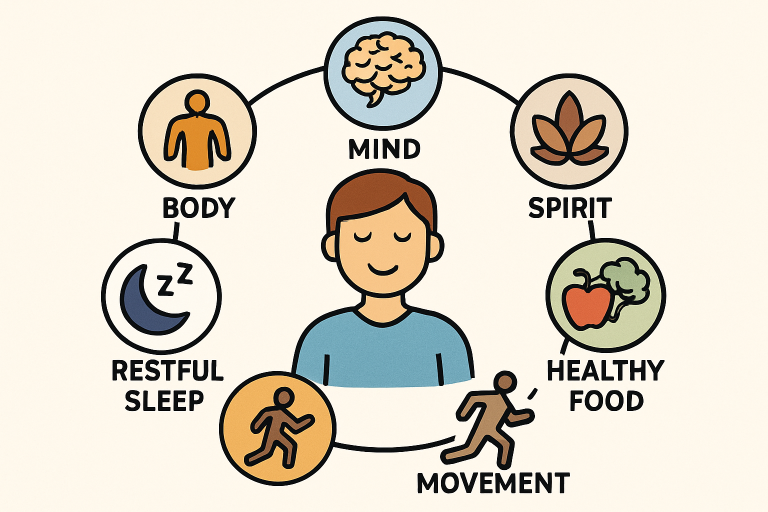
- Holistic health integrates the mind, body, and spirit for true well-being.
- Day-to-day choices in nutrition, activity, and mindfulness enhance resilience and health.
- Community and clean living practices are vital for a balanced life.
Embracing a holistic health lifestyle can transform daily living by connecting mind, body, and spirit. Simple choices each day, from what you eat to how you move, contribute to a balanced and vibrant life. Integrative wellness is not just about avoiding illness; it is about nurturing yourself on all levels. Those new to holistic approaches can find inspiration in unexpected places, whether it is supporting local art, like acrylic and pastel paintings by Sandy Wahl Western, PA, or exploring new wellness habits unique to their region.
Holistic health acknowledges that everyday wellness comes from the synergy of small, intentional acts. This practice encourages you to become more aware of your personal needs while also empowering you to take positive steps. A more mindful lifestyle offers more energy, emotional resilience, and a sense of meaning both at home and in the community.
The benefits of a holistic lifestyle ripple out into all areas of life. By honoring both scientific research and personal intuition, you can find an approach that evolves as you grow. Whether through mindful eating, physical movement, quality rest, or supportive relationships, every effort made draws you closer to well-being.
These strategies are not one-size-fits-all. Each person’s version of holistic health is unique and dynamic. Exploring which methods resonate most can unlock greater happiness, sparks of creativity, and improved mental clarity.
Understanding Holistic Health
Holistic health is a comprehensive philosophy that values the whole person. Instead of focusing only on symptoms or disease, it encourages an integrated perspective: body, mind, and spirit work together for a thriving life. Through deliberate, small changes, individuals can prevent many chronic conditions and cultivate wellness at any age. Modern medicine meets traditional wisdom in this approach, blending both preventive care and personal agency.
A central aspect of holistic health is self-empowerment. Researchers at the Mayo Clinic emphasize the importance of a proactive partnership in health, combining professional guidance and personal awareness for the best outcomes.
Nourishing Your Body with Whole Foods
The foundation of holistic health is built on what you put into your body each day. Whole foods, such as fruits, vegetables, legumes, whole grains, and lean proteins, reduce inflammation and provide essential micronutrients for energy and restoration. By choosing fresh, minimally processed ingredients, you create the groundwork for a resilient immune system and stable energy levels. Prioritizing variety, color, and freshness in your meals can help ensure you get a wide range of vitamins and minerals.
Mindful eating enhances this process further. Taking time for meals, enjoying the flavors, and listening for signs of fullness can prevent overeating and promote a healthier relationship with food. The Harvard T.H. Chan School of Public Health notes that mindful eating leads to lower stress levels and greater satisfaction with what you eat.
Incorporating Movement into Your Day
Physical activity is a pillar of a vibrant lifestyle. You do not need to be an athlete to reap the rewards; gentle, regular movement like walking, cycling, yoga, or simple stretching can invigorate your mind and body. Movement supports strong muscles, protects bone density, and releases mood-enhancing chemicals known as endorphins. Finding forms of exercise that spark joy makes it easier to build movement into your daily routine.
Even short bursts of activity, such as a brisk ten-minute walk or desk stretches, can improve focus and lift energy. The Centers for Disease Control and Prevention recommends aiming for at least 150 minutes of moderate-intensity movement per week for optimal health.
Practicing Mindfulness and Stress Management
Holistic well-being flourishes with conscious attention to mental and emotional health. Practices like mindfulness meditation, deep breathing, or guided visualization lower stress levels and support nervous system balance. Incorporating just a few minutes of these techniques daily can help control anxiety, sharpen concentration, and increase resilience during busy times.
Techniques such as progressive muscle relaxation and journaling can round out your personal stress management plan. Over time, regular mindfulness practice can reshape habitual thought patterns, helping you respond to challenges with greater calm and clarity.
Prioritizing Restful Sleep
Sleep is essential for healing, memory formation, hormone regulation, and emotional stability. Developing reliable bedtime habits, such as keeping a cool, dark environment and winding down with relaxing activities rather than screens, prepares your body for deeper, more restorative rest. Most adults thrive on about 7 to 8 hours of sleep per night, making sleep a key investment in overall health.
Chronic sleep deprivation has been linked to mood disorders, impaired immunity, and decreased cognitive function. Focusing on consistent sleep schedules and reducing caffeine and electronics in the evening can lead to more restful nights and productive days.
Building Meaningful Connections
Emotional health is enriched by positive relationships and community engagement. Spending time with loved ones, having open conversations, and joining group activities fosters a sense of belonging and support. Social connection helps moderate stress responses and contributes to longer, happier lives.
Researchers highlight that the quality, not necessarily the quantity, of connections matters most. Strong social bonds lower risks of anxiety and depression while increasing one’s sense of purpose and mutual understanding.
Embracing Natural Self-Care Products
Holistic self-care involves being mindful of what you put on your body and what you ingest. Choosing clean, non-toxic personal care products minimizes exposure to harsh chemicals and aligns with eco-friendly values. Opt for organic skincare, plant-based haircare, and gentle household items.
Consistency in your self-care rituals, paired with comforting scents and soothing ingredients, can boost mood and body confidence. Over time, incorporating natural products becomes a rewarding part of a truly holistic lifestyle.
Final Thoughts
By integrating holistic health practices into your daily routine, you nurture every aspect of your well-being. Choosing whole foods, regular movement, mindfulness, quality sleep, social connection, and natural self-care enriches life from the inside out. Adapt these approaches to your lifestyle and watch your well-being flourish, one mindful step at a time.