

Surfing, often associated with laid-back beach vibes and sun-kissed lifestyles, has a surprisingly rich and global history. What began as a sacred practice in Polynesia has transformed into a multi-billion-dollar global phenomenon. The history of surf culture: from Hawaii to Hollywood, charts a fascinating journey of identity, rebellion, innovation, and commercialization.
Hawaiian Origins: Surfing as Sacred Ritual
Long before it became a pop culture staple, surfing was deeply woven into the spiritual and social fabric of ancient Hawaii. Known as “heʻe nalu,” meaning wave sliding, it wasn’t just sport—it was a sacred tradition.
Hawaiian royalty, particularly the aliʻi class, dominated the waves. Surfboards were handcrafted from local trees like koa and wiliwili. The boards themselves were objects of reverence, often blessed in religious ceremonies. This practice showcased social status and spiritual harmony with nature.
According to the Bishop Museum in Honolulu, surfing was first documented by European explorer James Cook in 1778. When missionaries arrived in the 1820s, they viewed surfing as pagan and discouraged it. As a result, the culture declined, nearly vanishing by the end of the 19th century.
The Revival: Duke Kahanamoku and the Surf Renaissance
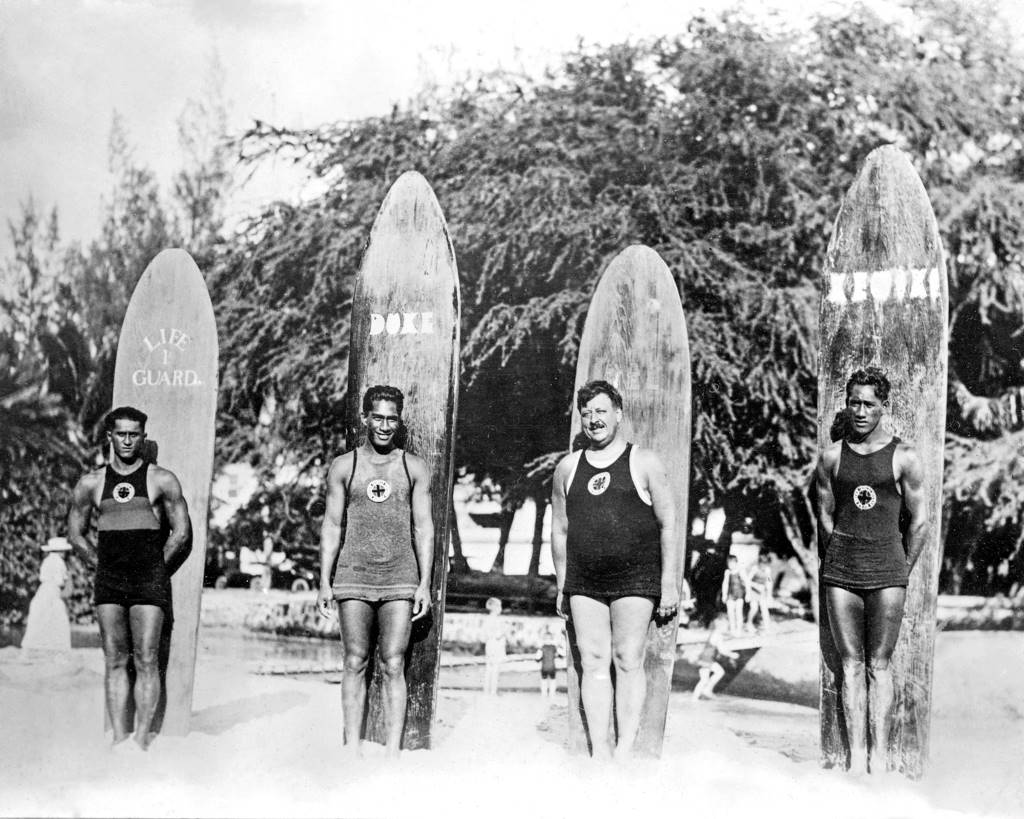
Surfing might have faded from Hawaiian shores if not for one man: Duke Kahanamoku. A five-time Olympic swimming medalist and Native Hawaiian, Duke reintroduced surfing to the global stage in the early 20th century.
By demonstrating surfing in places like Australia and California, Duke became an international ambassador for the sport. He inspired a new generation to embrace the waves, laying the foundation for surf culture’s expansion.
His influence remains enormous. According to the International Surfing Museum, Duke is regarded as the “Father of Modern Surfing.” His legacy turned what was a fading tradition into a global cultural movement.
California Dreaming: The Birth of West Coast Surf Culture
By the 1930s, surfing found a new home in Southern California. Warm waters, consistent swells, and a booming post-war economy fueled a beach boom. Surfboard technology also evolved. Lightweight balsa and fiberglass replaced traditional wood, making boards more maneuverable and accessible.
In the 1950s, surf clubs sprouted up from Malibu to San Diego. Magazines like Surfer began circulating in 1960, giving the lifestyle a printed voice. The publication framed surfing not just as sport, but as identity—defiant, free, and anti-establishment.
A 2022 report by the Outdoor Industry Association stated that over 3.8 million people surf in the U.S. today, and many attribute this growth to California’s surf roots. Surfing was no longer just a Polynesian practice—it was becoming an American subculture.
Surf Meets Cinema: The Hollywood Connection
The 1959 film Gidget changed everything. Based on a novel by Frederick Kohner, it portrayed a teenage girl falling in love with surfing and surfers. With it, surfing surged into the American mainstream.
Following Gidget, Hollywood flooded the market with surf-themed films like Beach Blanket Bingo and Endless Summer. These movies romanticized surf life—golden tans, good waves, and eternal youth. They also commodified it. Surf fashion exploded, bringing brands like Hang Ten and Ocean Pacific into malls across America.
Critics argue that Hollywood watered down the counterculture element of surfing. Yet others believe it helped democratize the sport, exposing millions to a lifestyle that was once limited to Hawaiian royalty or rebellious Californians.
Read More:
How to Overcome Big Wave Surfing Anxiety
Must-Have Surf Clothing Dresses for Newbies
Rebellion, Rock, and Revolution: The Surf Counterculture
While Hollywood polished surfing for mass consumption, the real surf scene remained raw and rebellious. During the 1960s and 70s, surfing intertwined with other countercultural movements. It rejected norms, embraced freedom, and fostered a disdain for corporate conformity.
Surfing icons like Miki Dora epitomized this ethos. Dora famously rejected fame and competition, favoring solitude and perfection. He once said, “Surfing’s the only life, the rest is a joke.”
At the same time, surf music—epitomized by The Beach Boys—dominated airwaves. Though often seen as cheesy today, it represented a generation’s hunger for freedom and connection to nature.
Global Domination: Surfing Around the World
As surfing spread globally, each region infused it with local culture. Australia’s Gold Coast became a mecca for surf competitions, while Bali introduced spirituality and vibrant reef breaks to the mix.
The 1990s saw an explosion in surf tourism. International Surfing Association data shows over 35 million people worldwide now identify as surfers. Surfing became an Olympic sport in 2021, marking its final ascent from fringe activity to mainstream legitimacy.
Yet, commercialization brought controversy. Critics argue that the soul of surfing—its quiet harmony with nature—is threatened by overcrowding, luxury surf resorts, and environmental degradation.
Technology, Social Media, and the Modern Surf Boom
Today, digital platforms drive surf culture. From GoPro footage to viral TikTok clips, surfing is now always online. Influencers like Jamie O’Brien or Coco Ho command massive followings, blending performance with personality.
Surf forecasting apps, drone photography, and AI-designed boards have revolutionized how surfers approach the ocean. However, these tools also create barriers—favoring tech-savvy, affluent surfers over traditional wave riders.
Still, the essence remains. Surfing continues to be about the connection between human and wave. A powerful escape from modern chaos.
The Dual Nature of Modern Surf Culture
Surfing today embodies a paradox. On one hand, it’s a global industry generating over $10 billion annually, with fashion, equipment, and tourism. On the other, it’s still a solitary, spiritual experience for many.
This duality creates tension. Commercial success has opened doors but also diluted authenticity. Purists warn against the soul-sapping effects of mass marketing. Yet, broader access allows marginalized communities—such as women and indigenous surfers—to claim space in the lineup.
For instance, organizations like Brown Girls Surf work to expand inclusivity in what was once a white, male-dominated sport. These efforts suggest a hopeful evolution—one that honors the past while making room for the future.
FAQs on The History of Surf Culture: From Hawaii to Hollywood
1. Who invented surfing?
Surfing originated with Polynesians over 1,000 years ago, particularly in Hawaii, where it was a sacred practice among royalty.
2. How did surfing become popular in the U.S.?
Duke Kahanamoku introduced it in California during the early 1900s. Hollywood films later propelled it into the mainstream.
3. What role did Hollywood play in surf culture?
Films like Gidget glamorized surfing, bringing it to suburban audiences and turning it into a marketable lifestyle.
4. How has surfing changed in modern times?
It evolved from a spiritual sport to a commercialized global industry influenced by technology, fashion, and media.
5. Is surf culture still authentic today?
Despite commercialization, many surfers retain its spiritual and rebellious roots, fostering a complex but authentic subculture.
6. What are the biggest surf destinations globally?
Top spots include Hawaii, California, Australia’s Gold Coast, Bali, and Portugal’s Nazaré.
7. How diverse is surf culture today?
While traditionally dominated by white males, surf culture is becoming more inclusive through grassroots and nonprofit efforts.
Final Thought
The history of surf culture: from Hawaii to Hollywood, is a story of transformation. It’s about sacred beginnings, cinematic dreams, cultural rebellion, and global explosion. At its heart lies a constant truth—the magnetic draw of the wave. No matter how much surfing changes, that rhythm of the ocean continues to unite millions across continents and generations.
As we ride into the future, honoring the past while adapting to the present may be the best way to keep surf culture alive and meaningful.