
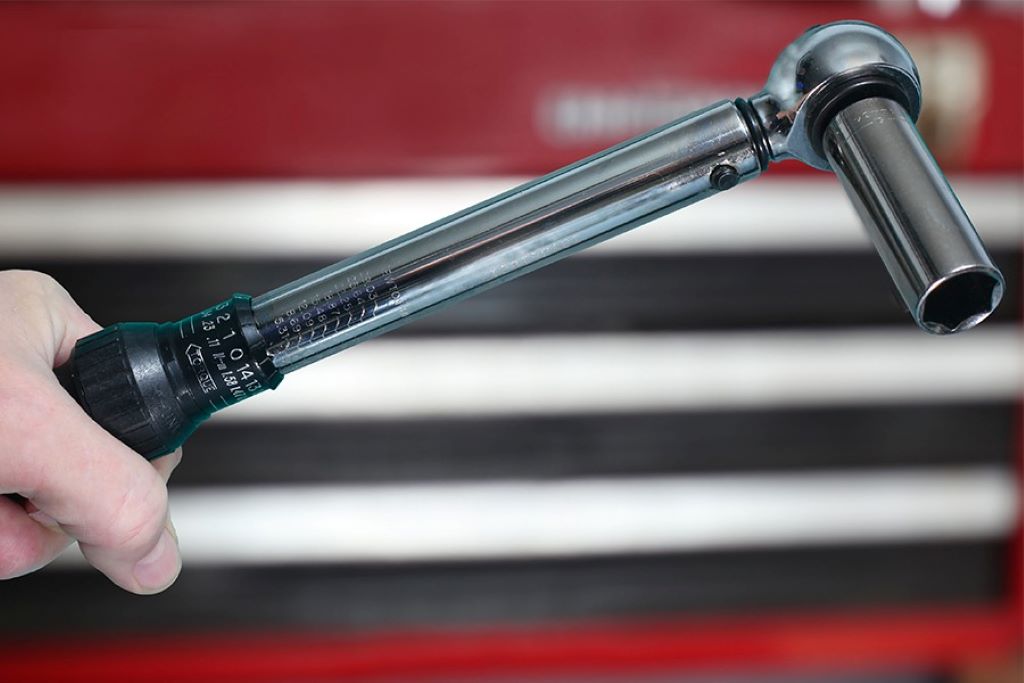
A Snap-on torque wrench is an essential tool for precision work, especially in automotive, mechanical, and industrial applications. Ensuring its longevity and accuracy is vital for both professional mechanics and DIY enthusiasts. Understanding how to prevent damage to a Snap-on torque wrench is crucial, as improper handling can cause even the sturdiest tools to falter, leading to costly repairs or replacements..
In this article, we’ll explore proven strategies to maintain your Snap-on torque wrench and prevent common damage. And if you’re in search of premium tools, make sure to explore Bestusatools for high-quality hand tools designed to last.
Understanding the Basics of a Snap-on Torque Wrench
Snap-on torque wrenches are precision tools designed to apply specific torque to a fastener. They’re essential in tasks requiring accuracy, such as tightening bolts on engines or assembling machinery. Misuse or neglect can lead to calibration errors, reduced effectiveness, or even permanent damage.
Why Preventive Maintenance Matters
Regular maintenance of your torque wrench safeguards its performance and accuracy. Improper care can result in:
- Loss of Calibration: This compromises precision, leading to over-tightened or under-tightened fasteners.
- Mechanical Wear: Internal components may degrade faster without proper handling.
- Tool Failure: Over time, neglect can render the wrench completely unusable.
According to industry research, proper maintenance can extend the lifespan of a torque wrench by up to 50%.
Key Tips to Prevent Damage to Your Snap-on Torque Wrench
Store Properly After Use
After using your Snap-on torque wrench, store it in its designated case. Exposure to moisture or extreme temperatures can lead to corrosion or warping. Keep it in a dry, climate-controlled area to preserve its components.
Release the Tension
Always set your wrench to the lowest torque setting after use. This prevents unnecessary strain on the internal spring, ensuring long-term accuracy.
Avoid Over-Torquing
Over-torquing can damage the wrench’s mechanism. Always adhere to the manufacturer’s recommended torque limits to maintain the tool’s integrity.
Use the Right Settings
Using incorrect torque settings is a leading cause of damage. Ensure the settings align with your project requirements to avoid stress on the wrench’s components.
Cleaning and Maintenance Practices

Wipe Down Regularly
Dirt and debris can accumulate on your torque wrench, affecting its performance. After each use, clean the tool with a lint-free cloth to remove any residue.
Inspect for Wear and Tear
Before and after each use, check for visible damage, such as worn-out components or loose screws. Regular inspection helps identify issues early.
Lubricate Moving Parts
Applying a light layer of lubricant to moving parts ensures smooth operation and prevents rust. Be cautious not to overdo it, as excessive oil can attract dust.
Calibration: The Heart of Accuracy
Why Calibration Is Essential
Calibration ensures that your torque wrench delivers precise torque every time. Without it, you risk damaging bolts or equipment due to incorrect force application.
When to Calibrate
Industry experts recommend calibrating a torque wrench every 5,000 uses or once a year, whichever comes first. If you notice inconsistent results, calibrate it sooner.
Professional Calibration Services
While DIY calibration kits are available, professional services are highly recommended for Snap-on wrenches. They use specialized equipment to maintain the tool’s factory standards.
Common Mistakes to Avoid
Using the Wrench as a Lever
Snap-on torque wrenches are not designed for loosening bolts. Using them for such tasks can damage the internal mechanism. Use a standard wrench instead.
Dropping the Wrench
Even a minor drop can misalign the internal components, leading to inaccurate readings. Handle your torque wrench with care at all times.
Skipping the Instruction Manual
The instruction manual provides vital information about torque settings, maintenance, and proper usage. Ignoring it increases the risk of misuse.
When to Replace Your Snap-on Torque Wrench
No tool lasts forever, and recognizing when your torque wrench has reached the end of its lifespan is crucial. Indicators include:
- Persistent calibration issues.
- Visible mechanical damage.
- Difficulty in adjusting settings.
When replacement becomes necessary, check out click on https://bestusatools.com/hand-tools/wrench/snap-on-3-8-inch-drive-electronic-torque-wrench/ for reliable options.
You Might Enjoy: Washing Your Car at Home: A DIY Guide to a Sparkling Clean Ride
FAQs
How often should I calibrate my Snap-on torque wrench?
- Calibration should be done every 5,000 uses or once a year to maintain accuracy.
Can I use my torque wrench for loosening bolts?
- No, torque wrenches are designed for tightening. Using them for loosening can damage the internal mechanism.
What happens if I don’t release tension after use?
- Failing to release tension can strain the internal spring, leading to calibration issues.
Is it okay to clean my torque wrench with water?
- No, water can cause corrosion. Use a dry or slightly damp cloth for cleaning.
How do I know if my torque wrench needs replacement?
- Persistent calibration problems and visible damage are signs your wrench may need replacement.
Conclusion
Preventing damage to your Snap-on torque wrench is all about regular maintenance, proper usage, and timely calibration. By adopting these practices, you’ll not only prolong the tool’s life but also ensure consistent accuracy in your projects. Whether you’re a professional or an enthusiast, treating your tools with care is an investment in long-term reliability and success.