
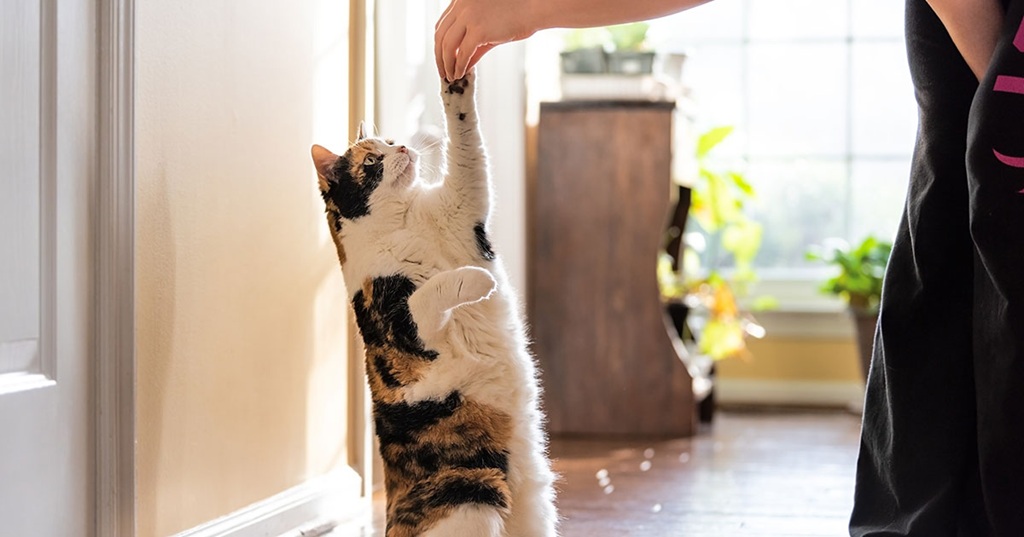
Helping a cat overcome anxiety can be challenging, but with the right approach, it’s achievable. Clicker training is a proven method for addressing anxious behaviors while strengthening the bond between you and your cat. This guide dives into practical steps, expert-backed techniques, and real-life examples to help your feline companion thrive. Plus, we’ll explore Homepetusa for tips on feline care to ensure a holistic approach.
Understanding Cat Anxiety
Cat anxiety manifests in various forms—hiding, aggressive behavior, excessive grooming, or even changes in appetite. Recognizing the root cause is essential. Anxiety can stem from traumatic experiences, lack of socialization, or sudden environmental changes.
According to the ASPCA, about 40% of pets exhibit anxiety-related behaviors at some point. A calm and consistent approach, such as clicker training, can gently guide your cat toward positive behavior.
What is Clicker Training, and Why Does It Work for Anxious Cats?
Clicker training uses a small device that emits a distinct sound, marking desired behaviors and rewarding them with treats or praise. This training taps into your cat’s natural learning ability through positive reinforcement.
The science behind clicker training is simple: the click creates a predictable and reassuring association. Over time, your anxious cat will begin to focus on achieving desired behaviors instead of reacting to their fears.
Preparing for Clicker Training: Tools and Environment
Essentials for Clicker Training:
- A clicker device.
- High-value treats (e.g., small pieces of chicken or commercial cat treats).
- A quiet, distraction-free environment.
- Patience and consistency.
Setting up a calm environment is crucial. Anxiety-prone cats thrive in spaces that feel safe and predictable. Before starting, ensure their needs are met: a clean litter box, fresh water, and access to their favorite hiding spots.
Step 1: Establishing Trust with Your Cat
For an anxious cat, trust is the cornerstone. Spend time sitting near them without forcing interaction. Speak softly, and offer treats whenever they approach.
Tips for Building Trust:
- Avoid direct eye contact, which can feel intimidating.
- Blink slowly to mimic feline body language.
- Introduce the clicker by clicking and rewarding them with treats to form a positive association.
Step 2: Using Clicker Training to Build Confidence
Start with simple exercises:
- Hold the clicker and a treat.
- When your cat looks at you, click and immediately reward.
- Repeat this until they associate the sound with a treat.
This process, called “charging the clicker,” lays the foundation for more advanced behaviors.
Step 3: Gradual Exposure to Anxiety Triggers
Once your cat is comfortable with the clicker, slowly introduce situations that typically cause anxiety. For example, if your cat fears visitors, have a friend sit at a distance while you reward calm behavior.
Creating a Routine
Routine plays a vital role in reducing anxiety. Predictable feeding times, play sessions, and training moments help create stability for your cat. A stable diet is also essential for their well-being. If you’re curious about budgeting, explore how much does cat food cost per year for insights into maintaining their nutritional needs without stress.
Common Mistakes to Avoid in Clicker Training

While clicker training is effective, some common errors can hinder progress:
- Inconsistency: Clicking without reward can confuse your cat.
- Rushing: Anxious cats need time to adapt. Patience is key.
- Punishment: Never scold your cat during training. It can increase anxiety and mistrust.
How Long Does Clicker Training Take for Anxious Cats?
Progress varies by cat. While some may respond within days, others may take weeks to show noticeable improvement. The most critical factors are consistency and positive reinforcement.
Related: Why Not Keep A Cat As Pet
Real-Life Success Stories
One notable example involves a shelter cat named Luna. Luna’s severe anxiety made her unadoptable for months. Through clicker training, her caretaker helped her overcome fears by reinforcing calm behavior with treats and patience. Within three months, Luna’s confidence grew, and she found a forever home.
FAQs
What treats are best for clicker training?
Small, high-value treats like freeze-dried chicken or salmon are ideal. The treat should be something your cat loves but doesn’t receive daily.
Can older cats benefit from clicker training?
Absolutely. Cats of all ages can learn through clicker training, as it relies on natural behavior and reward systems.
What if my cat doesn’t respond to the clicker?
Start by ensuring the clicker sound doesn’t scare them. You can try a softer sound or use a verbal marker like “yes.”
How do I handle setbacks during training?
Training isn’t always linear. If your cat regresses, revisit earlier steps and rebuild their confidence.
Is clicker training suitable for all cats?
Yes, but anxious cats or those with medical issues may need a slower pace. Always consult your vet if behavioral issues persist.
How often should I train my cat?
Short sessions (5–10 minutes) several times a day work best. Cats have short attention spans, so frequent, brief sessions are ideal.
Conclusion
Clicker training is a compassionate and effective way to help cats with anxiety. By combining trust-building, positive reinforcement, and patience, you can transform your feline’s fears into confidence. Remember, the journey takes time, but the results are worth it—for both you and your furry friend.