
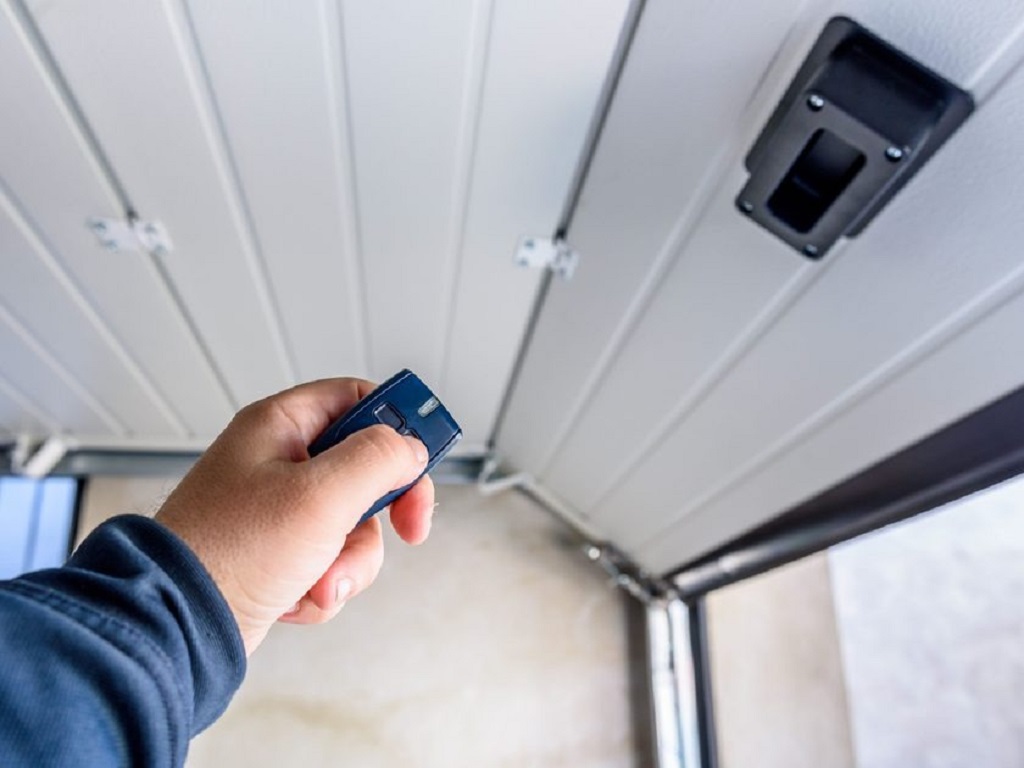
Your garage door opener is a critical part of daily convenience and security. However, when signal loss becomes a recurring issue, it can disrupt your routine and leave your home vulnerable. Identifying the root cause of the problem is key to resolving it effectively.
In most cases, intermittent signal issues are linked to interference, battery troubles, or outdated equipment. Each problem has distinct signs, and diagnosing them can save you time and frustration. Let’s dive into the detailed steps to troubleshoot these issues. Don’t forget to explore Healthyhouseplans for additional resources on maintaining your garage and home.
Understanding Intermittent Garage Door Opener Signal Loss
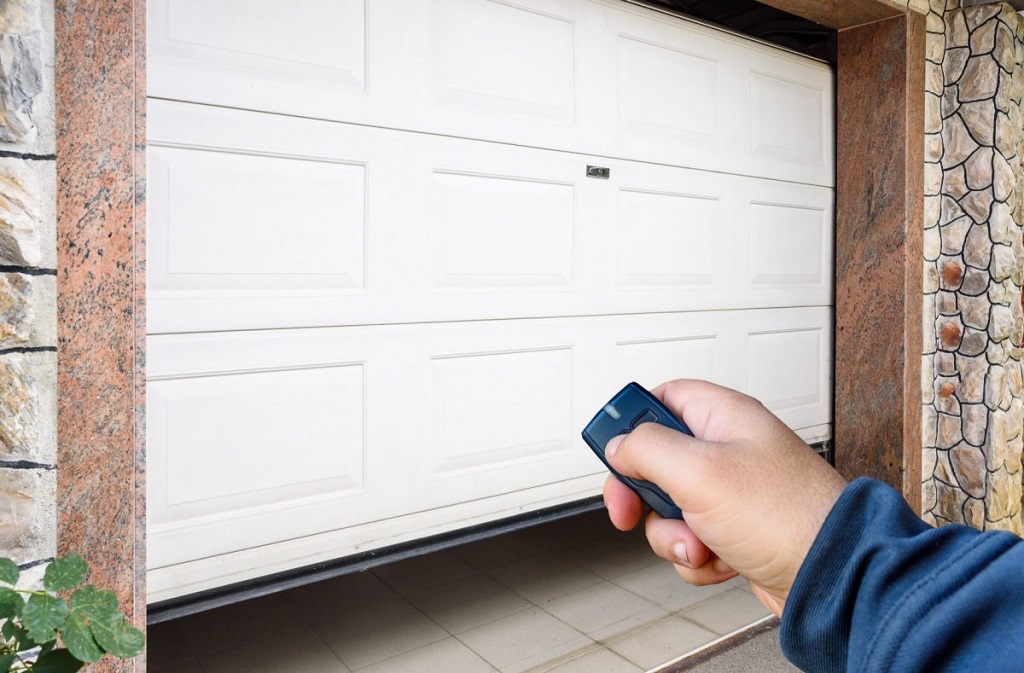
Intermittent signal loss occurs when your garage door opener operates inconsistently, sometimes working perfectly and other times failing to respond. This can result from a variety of factors, including interference, mechanical problems, or electrical faults.
Key Symptoms of Intermittent Signal Loss
- The garage door opens or closes only after repeated attempts.
- The remote works well in some locations but not in others.
- The opener lights up but doesn’t activate the door.
Each symptom offers clues to the root cause, which can range from minor issues to major system failures.
Common Causes of Signal Interference
Nearby Electronic Devices
Electronic devices such as baby monitors, Wi-Fi routers, or cordless phones often emit frequencies that can interfere with garage door signals. Modern openers operate on RF signals, which overlap with many household devices.
Pro Tip: Test your remote by turning off nearby devices to identify if interference is the culprit.
External Interference Sources
Outside interference, such as a neighbor’s garage door opener or local radio towers, can disrupt your signal. Ensure your opener operates on a secure frequency to minimize this issue.
Environmental Factors
Sometimes, weather conditions like high humidity or extreme cold can impact the functionality of your opener. Condensation inside the opener’s circuitry may lead to erratic behavior.
Troubleshooting Garage Door Signal Issues
Check the Remote Batteries
Weak or dying batteries are one of the most common reasons for signal problems. Replace the batteries in your remote and observe if the issue resolves.
Inspect the Antenna
The opener’s antenna must be fully extended and free of damage. A bent or broken antenna can hinder signal reception.
Reprogram the Remote
Occasionally, signal loss stems from a glitch in the programming between the remote and the opener. Consult your user manual to reset and reprogram the remote.
Addressing the Cable Issue
If you’ve recently noticed your garage cable came off, the issue could be mechanical rather than electrical. Misaligned or loose cables can disrupt the door’s operation, indirectly causing signal problems.
Upgrading Your Garage Door Opener System
Modern Technology and Signal Reliability
Older openers often operate on outdated frequencies, making them prone to interference. Upgrading to a newer model with rolling-code technology can significantly improve signal reliability.
Why Rolling-Code Technology Matters: Rolling codes prevent interception by constantly changing the signal code, reducing the risk of interference and enhancing security.
Smart Garage Door Openers
Consider investing in a smart garage door opener. These systems connect to your Wi-Fi and allow remote operation via a smartphone app, bypassing traditional signal challenges.
Preventative Measures for Long-Term Functionality
Regular Maintenance
Schedule routine inspections of your garage door system, including lubricating moving parts, checking the sensors, and inspecting the cables.
Surge Protection
Power surges can damage your garage door opener’s circuitry. Installing a surge protector can safeguard against unexpected electrical damage.
Test Signal Strength Periodically
Regularly test the opener’s signal strength to catch potential issues early. A signal strength tester can help pinpoint weak spots in your garage.
If troubleshooting steps don’t resolve the problem, it may be time to call a garage door technician. A professional can inspect complex issues like damaged wiring, malfunctioning sensors, or motherboard failures.
Read More Also: Repairing Damaged Weatherstripping on Sliding Patio Doors for Optimal Insulation
FAQs
What are the most common reasons for intermittent garage door opener signal loss?
Interference from nearby devices, weak remote batteries, and antenna problems are among the top causes of signal loss.
Can Wi-Fi routers affect my garage door opener signal?
Yes, Wi-Fi routers emit RF signals that can overlap with your opener’s frequency, causing interference.
How can I test if the remote is causing the problem?
Replace the batteries, and if the issue persists, try using a spare remote to determine if the original is faulty.
Do older garage door openers experience more signal issues?
Yes, older models often lack modern interference-resistant technology, making them more prone to signal problems.
What’s the benefit of upgrading to a smart garage door opener?
Smart openers enhance convenience and reliability, allowing remote operation and reducing traditional signal interference.
Can extreme weather impact my garage door opener?
Yes, extreme weather, especially cold or humid conditions, can affect the circuitry and moving parts of your opener.
Conclusion
Diagnosing intermittent garage door opener signal loss can be a daunting task, but understanding the underlying causes and implementing these solutions can restore functionality. Whether it’s addressing interference, upgrading your system, or exploring preventative maintenance, each step brings you closer to a seamless experience.