
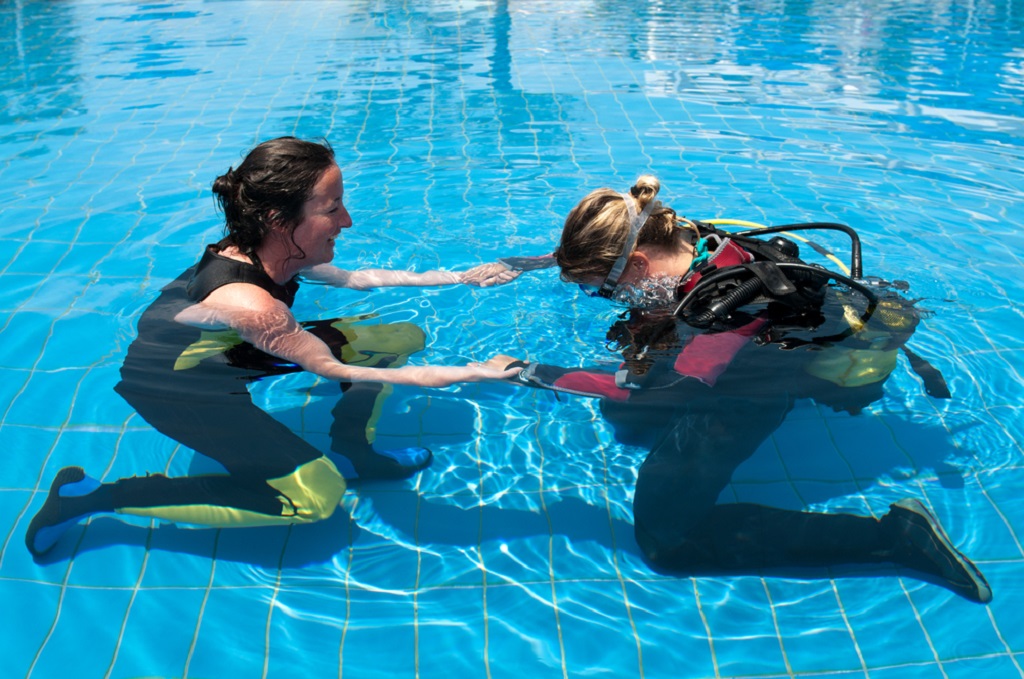
Scuba diving is an exhilarating adventure that allows enthusiasts to explore the underwater world. However, like any activity involving physical exertion, it carries inherent risks, particularly to the spine. Spinal injuries can be devastating, not only physically but emotionally and financially. While it’s impossible to eliminate all risks, adhering to these essential tips can significantly reduce the likelihood of injury.
Tip 1: Proper Training and Certification
The foundation of safe diving lies in comprehensive training. Investing time in a reputable diving course is paramount. Certification programs equip divers with the knowledge and skills necessary to prevent accidents, including those that can lead to spinal injuries. Understanding buoyancy control, emergency procedures, and the physics of diving are crucial. Remember, a well-trained diver is a safer diver.
Tip 2: Maintain Good Physical Fitness
Scuba diving demands physical exertion, and a strong, healthy body is better equipped to handle the pressures of underwater exploration. Regular exercise, including strength training and cardiovascular workouts, can improve flexibility, endurance, and overall physical condition. A fit diver is less likely to experience muscle strains or fatigue, which can contribute to accidents.
Tip 3: Use the Right Equipment
Properly fitting and maintained equipment is essential for safety. A well-adjusted weight belt, for instance, helps maintain neutral buoyancy, reducing the risk of uncontrolled ascents or descents that can strain the spine. A comfortable and supportive wetsuit provides insulation and protection. Regular equipment checks and maintenance are crucial to ensure optimal performance and longevity.
Tip 4: Proper Entry and Exit Techniques
Entering and exiting the water improperly can lead to spinal injuries. Mastering the art of controlled entry and exit is essential. Avoid diving headfirst into shallow waters or unknown depths. When exiting the water, use ladders or steps whenever possible, and maintain a firm grip on the equipment. Proper body positioning and controlled movements can prevent unnecessary stress on the spine.
Tip 5: Listen to Your Body and Dive Within Your Limits
One of the most critical aspects of diving safety is heightened self-awareness. Tune in to your body’s signals and respond promptly. If you experience any discomfort or pain, particularly in the back or neck, it is crucial to halt diving activities and seek medical attention immediately. Overexertion can lead to significant injuries, so it’s essential to dive within your limits and take regular breaks as needed.
Recently, while researching effective ways to manage spinal injuries, I came across a highly informative resource: a detailed FAQ guide about spine surgery from a back doctor in Middletown, New Jersey. This guide provides invaluable insights, featuring answers from leading surgeons who address common patient concerns related to back pain and spine injuries. This resource is particularly useful for those who might be contemplating a consultation with a back pain specialist or exploring their options for treatment.
Scuba diving should be a source of joy and wonder, not a cause of stress or pain. By prioritizing safety and adhering to these preventative guidelines, you can significantly reduce the risk of spinal injuries and other health issues. It’s important to remember that while most divers return from their underwater adventures without incident, being prepared for unexpected challenges is essential. Some common causes of injuries include:
- Decompression sickness (the bends): Rapid ascent can cause nitrogen bubbles to form in the spinal cord, leading to severe pain and paralysis.
- Barotrauma: Pressure changes can affect the spine, particularly in the ears and sinuses, potentially causing damage.
- Diving accidents: Collisions with underwater objects, improper equipment use, or poor diving practices can result in spinal fractures or dislocations.
- Shallow water blackout: Loss of consciousness due to lack of oxygen can cause a diver to hit their head or neck on the bottom.
In the unfortunate event of a severe spinal injury sustained while scuba diving, advanced medical treatments may be necessary to manage chronic pain and improve quality of life. These treatments can include spinal cord stimulators to block pain signals, surgery to stabilize the spine, physical therapy to restore mobility, medication to alleviate pain, and psychological support to cope with the challenges of living with an injury. The specific treatment plan will depend on the severity of the injury and the individual’s overall health.
Understanding the potential risks associated with diving and taking proactive steps to mitigate them can help you continue to explore the underwater world with confidence and peace of mind. By embracing these safety measures and staying informed, you can enjoy the thrill of diving while minimizing the risks to your spinal health.