
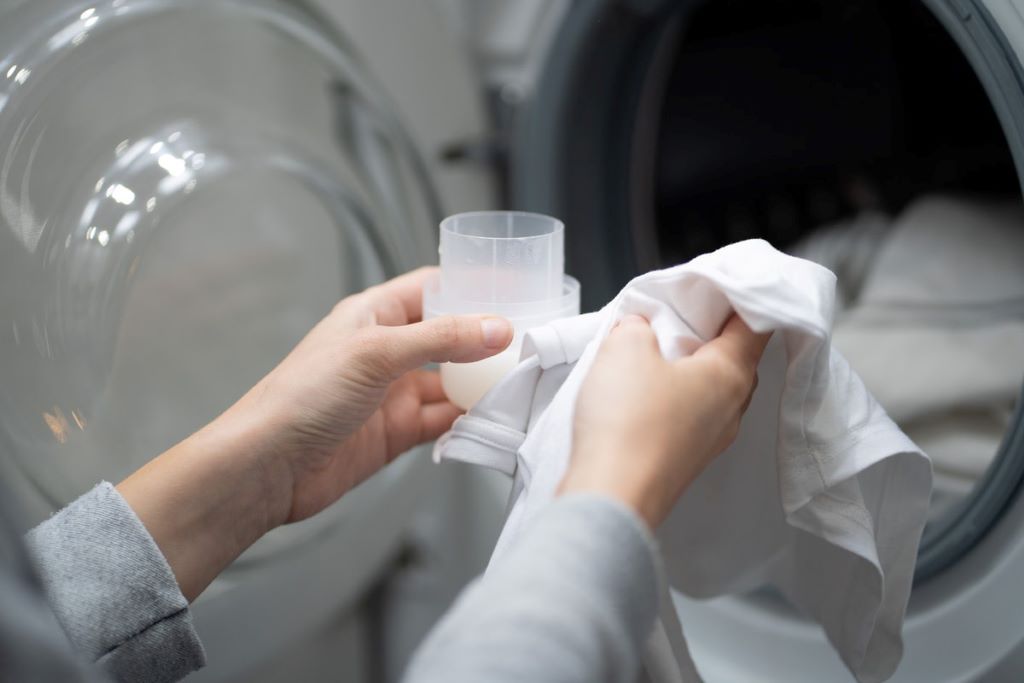
Washing undergarments the right way is essential for maintaining hygiene and prolonging the life of your delicate fabrics. By following specific practices, you can ensure that your underwear, bras, and other intimates stay in the best condition, keeping bacteria and odor at bay. Following best practices for washing undergarments, you can ensure that your delicate items are properly cared for. In this article, we’ll cover expert-approved steps for washing undergarments, with easy-to-follow tips that make it simple for anyone to understand. Let’s dive in!
Why Proper Care for Undergarments Matters
Unlike outerwear, undergarments are in constant contact with our skin, absorbing sweat and bacteria daily. According to studies by microbiologists, improperly washed underwear can harbor germs like E. coli, which can transfer onto other clothing if washed together. Following best practices for washing undergarments reduces bacterial buildup, prevents irritation, and keeps fabric quality intact for longer.
For those looking for more insights into clothing care, you might want to explore Dress24h, which provides valuable tips on maintaining your wardrobe essentials, including undergarments.
Step-by-Step Guide for Washing Undergarments
Separate Delicates from Heavy Clothing
Washing undergarments with heavy items like jeans or towels can cause wear and tear. Larger items can rub against delicate fabrics, leading to pilling or stretching. Always separate your undergarments from heavy clothes, giving them a gentler wash. This is especially true for bras, which often have delicate straps and fasteners that can snag in a machine cycle.
Choose the Right Temperature
While hot water effectively kills bacteria, it’s not always suitable for delicate fabrics, especially if your underwear includes elastic or lace. Experts recommend using warm water (around 30-40°C) for washing cotton underwear, while cold water is ideal for preserving delicate fabrics like silk. Always check the label for specific temperature guidance to prevent shrinkage or damage.
Hand Wash When Possible
Hand washing is one of the best practices for washing undergarments because it minimizes wear and tear. If hand washing isn’t feasible, opt for the gentlest cycle on your machine and place items in a mesh bag. This added layer of protection reduces agitation, preserving the fabric quality.
Use Gentle, Fragrance-Free Detergent

Avoid harsh detergents that can irritate sensitive skin. Choose a mild, fragrance-free detergent that cleans effectively without leaving strong scents or residues. Some experts suggest looking for a pH-neutral detergent, which is gentler on fabrics and skin alike. Using too much detergent can leave a residue that leads to irritation, so follow the instructions for proper dosage.
Avoid Fabric Softeners and Bleach
While fabric softeners make clothing feel softer, they can damage the elastic fibers in underwear, reducing their lifespan. Bleach can also be too harsh, especially on colored fabrics. If you need to remove stains, try adding a little white vinegar to the rinse cycle—it helps freshen fabrics without harsh chemicals.
Dry Properly
High heat can cause fabrics to lose elasticity, making your undergarments fit less comfortably over time. Air-drying on a drying rack is ideal. If using a dryer, opt for the lowest heat setting, but avoid using it for bras, which are best laid flat to dry. Not only does air drying prolong the life of undergarments, but it’s also a more eco-friendly practice.
Should Underwear Be Washed Separately?
One common question many have is, should underwear be washed separately? Research shows that it’s best to wash undergarments separately to prevent bacterial transfer to other clothing. Washing underwear with the rest of the laundry can lead to the spread of germs like E. coli. This is especially true for those who wash their clothes at lower temperatures. Wash underwear in a separate load using warm water, or add a laundry sanitizer to effectively remove any harmful bacteria.
How Often Should You Wash Your Undergarments?
Experts agree that underwear and bras should be washed after each wear. Sweat, body oils, and bacteria accumulate on the fabric, making it necessary to wash them after every use. For bras, washing every 3-4 wears is sufficient, especially if they’re aired out between uses. Sports bras should be washed after each wear since they’re exposed to more sweat.
How to Style Light Blue Jeans: Fashion Tips for Any Occasion
Tips for Stain Removal and Odor Control
Undergarments can sometimes develop stubborn stains, especially on lighter fabrics. Here’s how to tackle them without damaging the fabric:
- Pre-Treat Stains: Use a gentle stain remover on affected areas and let it sit for a few minutes before washing. This can help lift stains without the need for harsh scrubbing.
- Use White Vinegar: Add half a cup of white vinegar to your rinse cycle to help neutralize odors and remove bacteria naturally.
- Baking Soda for Freshness: A tablespoon of baking soda added to the wash cycle can freshen up undergarments, removing odors without added chemicals.
You Might Like Also: Nurturing the Roots: Why Family Time is an Essential Ingredient for Healthy Child Development
Quick Dos and Don’ts for Washing Undergarments
- Do wash after every wear to maintain hygiene.
- Do air dry whenever possible to extend the lifespan of the fabric.
- Do use a mesh bag in the washing machine to protect delicate fabrics.
- Don’t mix undergarments with heavy or dirty clothing items.
- Don’t use bleach or fabric softeners that can damage fibers.
Final Thoughts
Maintaining hygiene and quality is easy when you follow these best practices for washing undergarments. By separating your delicates, choosing the right detergent, and washing at appropriate temperatures, you can keep your undergarments fresh, soft, and free of germs. Taking a little extra care when laundering these essentials goes a long way in ensuring they stay comfortable and last longer.