
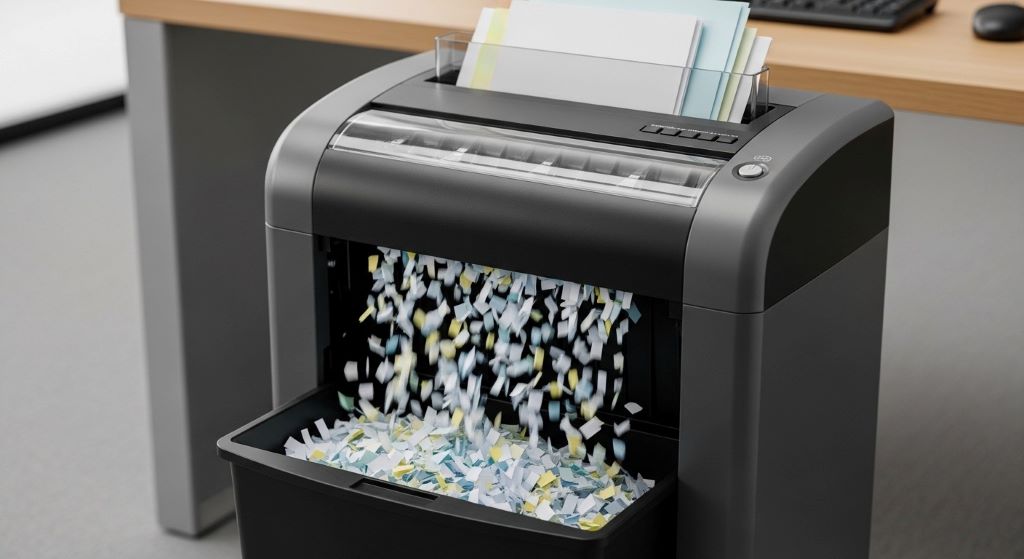
In today’s digital age, protecting sensitive information remains a top priority for businesses of all sizes. While many organizations focus on cybersecurity, physical document security often gets overlooked. Paper documents containing confidential data still exist in every office, and improper disposal can lead to serious security breaches. This is where office shredders become essential tools for maintaining privacy and compliance.
Choosing the right shredder can be confusing with so many options available. Understanding the differences between various shredding methods helps businesses make informed decisions about their document security needs. The investment in quality shredding equipment pays off through reduced risk of data breaches and compliance with privacy regulations.
Understanding Different Shredding Methods
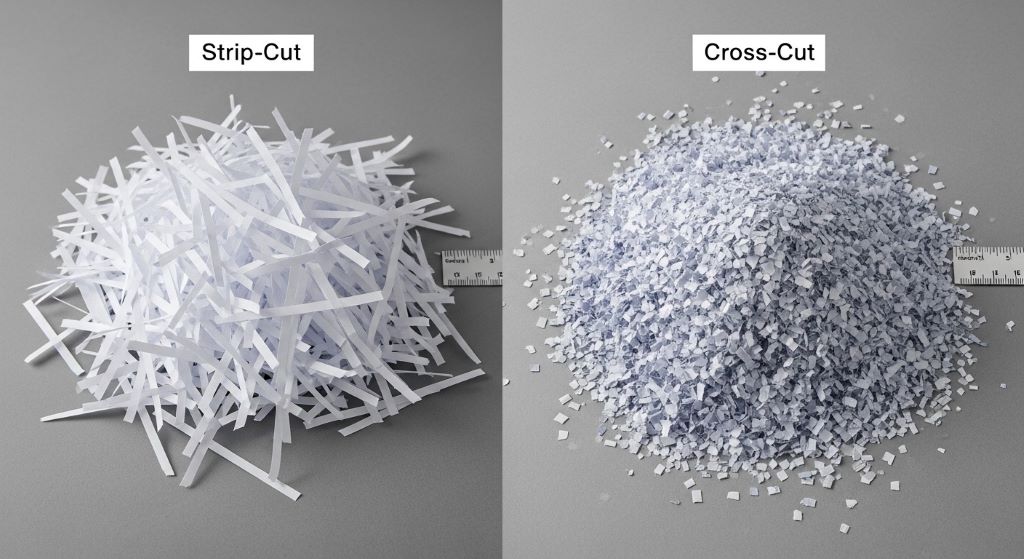
Office shredders come in several varieties, each offering different levels of security. The two most common types are strip-cut and cross-cut models. Strip-cut shredders slice paper into long, vertical strips. These machines work quickly and can handle large volumes of paper at once. However, the strips they produce remain relatively wide and easy to reassemble with enough time and effort.
Cross-cut shredders take document destruction a step further. These machines cut paper both horizontally and vertically, creating small rectangular or diamond-shaped pieces. The resulting confetti-like particles make document reconstruction extremely difficult. For this reason, cross-cut models have become the preferred choice for organizations handling sensitive information.
Micro-cut shredders represent an even higher security level. These devices produce tiny particles that are nearly impossible to piece back together. Government agencies and financial institutions often choose micro-cut models for their most confidential documents. The trade-off comes in slower processing speeds and higher costs compared to other shredding methods.
Why Document Security Matters
Data breaches can happen through physical documents just as easily as through digital channels. Discarded papers in recycling bins or trash containers provide easy targets for identity thieves and corporate spies. A single compromised document can contain enough information to cause significant damage to individuals or organizations.
Regulatory compliance adds another layer of importance to proper document disposal. Laws like HIPAA, FACTA, and GDPR require businesses to protect personal information throughout its entire lifecycle. This includes secure destruction when documents are no longer needed. Failure to comply can result in substantial fines and legal consequences.
Beyond legal requirements, protecting customer and employee information builds trust. Clients want to know their personal details are safe with your organization. Employees expect their HR records and financial information to remain confidential. Demonstrating commitment to data security through proper shredding practices strengthens these important relationships.
The Advantages of Cross-Cut Technology
Cross-cut shredders offer substantial security improvements over basic strip-cut models. The smaller particle size makes reconstruction exponentially more difficult. While determined individuals might reassemble strip-cut documents like a jigsaw puzzle, cross-cut particles present a nearly impossible challenge. This enhanced security comes without requiring the higher investment of micro-cut systems.
Waste volume reduction represents another significant benefit. Cross-cut shredders produce particles that compact more efficiently than long strips. This means disposal bags last longer and require less frequent changing. The space savings in waste containers can be substantial, especially for offices that shred regularly.
Many cross-cut models also handle more than just paper. Credit cards, CDs, DVDs, and stapled documents can often go through these machines without damage. This versatility eliminates the need for manual removal of fasteners or separate destruction of various media types. The convenience factor makes employees more likely to use the shredder consistently.
Choosing the Right Security Level
Security levels for shredders are standardized according to DIN 66399, an international classification system. This standard ranges from P-1 to P-7, with higher numbers indicating greater security. Strip-cut shredders typically fall into the P-2 category, suitable for internal documents with low sensitivity. Cross-cut models generally achieve P-3 or P-4 ratings, appropriate for confidential business information.
Understanding your organization’s specific needs helps determine the appropriate security level. General business correspondence and expired marketing materials require less protection than financial records or medical files. Conducting a document audit reveals what types of information your office handles regularly. This assessment guides your shredder selection process.
Consider compliance requirements specific to your industry. Healthcare providers must adhere to HIPAA standards, which recommend at least P-4 level shredding for patient records. Financial institutions dealing with customer account information should consider similar or higher security levels. Legal firms handling privileged communications may need even more secure destruction methods.
Comparing Cross-Cut and Strip-Cut Performance
When evaluating security shredders, performance involves more than just security level. Sheet capacity matters for offices processing large volumes of paper. Strip-cut shredders often handle more sheets per pass because they make fewer cuts. However, modern cross-cut models have narrowed this gap significantly with improved motor technology.
Speed considerations differ between the two types as well. Strip-cut machines work faster since they perform only vertical cuts. This makes them suitable for environments where security needs are minimal but volume is high. Cross-cut shredders take slightly longer but provide much better protection for sensitive materials.
Maintenance requirements should factor into your decision. Cross-cut mechanisms have more moving parts and cutting surfaces, which can mean more frequent blade sharpening or replacement. However, quality models come with self-sharpening blades that maintain performance over time. Regular oiling keeps any shredder running smoothly regardless of type.
Implementation Best Practices
Simply purchasing a quality shredder is not enough to ensure document security. Creating clear policies about what needs shredding helps employees understand their responsibilities. Develop a document retention schedule that specifies how long different types of records should be kept. When retention periods expire, immediate shredding prevents sensitive information from lingering unnecessarily.
Placement of shredders throughout the office encourages their use. Machines located in convenient, accessible areas get used more consistently than those tucked away in storage rooms. Consider placing smaller personal shredders at individual workstations for employees handling particularly sensitive information. Centralized high-capacity models work well in copy rooms or mail areas.
Training staff on proper shredding procedures ensures effectiveness. Employees should understand which documents require destruction and which can be recycled normally. Demonstrate correct machine operation to prevent jams and damage. Regular reminders keep security top of mind and reinforce good habits over time.
Cost Considerations and ROI
Initial investment in cross-cut shredders costs more than basic strip-cut models. However, the enhanced security justifies this price difference for most businesses. The potential costs of a data breach far exceed the premium paid for better shredding technology. A single incident can result in legal fees, regulatory fines, and damaged reputation worth millions.
Operating costs remain relatively low for modern shredders. Electricity consumption is minimal, even for heavy-duty models. Maintenance needs are straightforward, typically involving occasional oiling and blade replacement after years of use. Shredder bags or bins represent the primary ongoing expense, though cross-cut waste compacts efficiently to minimize this cost.
Return on investment extends beyond avoiding breaches. Compliance with regulations prevents fines and legal issues. Employee productivity improves when secure disposal is convenient and straightforward. Client confidence grows when organizations demonstrate commitment to protecting information. These benefits accumulate over time, making quality shredders a smart business investment.
Environmental Considerations
Shredded paper can often be recycled, making document destruction an environmentally responsible choice. Cross-cut particles work well in recycling processes, breaking down easily during reprocessing. Check with local recycling facilities about their requirements, as some may have specifications for particle size or contamination.
Some advanced shredders come with features that separate paper from other materials. Automatic sorting mechanisms remove staples, paper clips, and plastic components before shredding. This produces cleaner waste streams that are more readily accepted by recycling programs. The convenience of not removing fasteners manually also encourages proper disposal.
Energy efficiency has improved significantly in modern shredder designs. Auto-off features power down machines when not in use, reducing electricity consumption. Energy Star certified models meet strict efficiency standards while maintaining performance. These environmental considerations align business security needs with sustainability goals.
Future-Proofing Your Security Strategy
As privacy regulations continue to evolve, having robust document destruction practices becomes increasingly important. Investing in quality cross-cut shredders now prepares organizations for stricter future requirements. The flexibility to handle various security levels means these machines remain useful even as needs change over time.
Technological advances continue to improve shredder capabilities. Smart shredders with jam prevention, automatic feeding, and usage monitoring represent the next generation of document security. While these features add cost, they also increase efficiency and reliability. Evaluating emerging options helps organizations stay ahead of security challenges.
Integration with overall information governance strategies ensures comprehensive protection. Physical document security should complement digital security measures, creating multiple layers of defense. Regular reviews of both paper and electronic information handling keep policies current and effective. This holistic approach provides the best protection against evolving threats.
Conclusion
Protecting sensitive information requires attention to both digital and physical security. Cross-cut shredders provide an essential defense against data breaches through discarded documents. The enhanced security they offer over strip-cut models justifies the modest additional investment for most organizations.
Selecting appropriate security levels based on document sensitivity and compliance requirements ensures adequate protection. Proper implementation through clear policies, convenient placement, and employee training maximizes effectiveness. The environmental benefits and long-term cost savings make quality shredders a sound business decision.
As privacy regulations grow stricter and data breaches become more costly, document security cannot be overlooked. Cross-cut technology offers the right balance of security, efficiency, and value for businesses committed to protecting confidential information. Making the investment today prevents much larger problems tomorrow.
Frequently Asked Questions
What is the main difference between cross-cut and strip-cut shredders?
Strip-cut shredders slice paper into long vertical strips, while cross-cut models cut both horizontally and vertically to create small particles. Cross-cut shredders provide significantly better security because the resulting pieces are much harder to reassemble than strips.
How often should office shredders be maintained?
Most shredders need oiling every 30 minutes of run time or after shredding approximately 1,000 sheets. Blades should be checked periodically for dullness, though many modern models feature self-sharpening technology. Regular emptying of collection bins prevents jams and maintains performance.
Can cross-cut shredders handle stapled documents?
Many cross-cut shredders can process documents with staples and paper clips without damage. However, capabilities vary by model, so check manufacturer specifications. Removing large binder clips and excessive fasteners is still recommended to prevent jams and extend blade life.
What security level shredder does my business need?
The appropriate security level depends on the sensitivity of your documents and industry regulations. General business documents typically require P-3 or P-4 level shredding. Healthcare, financial, and legal organizations often need P-4 or higher to comply with privacy laws like HIPAA and FACTA.
Are shredded documents recyclable?
Yes, shredded paper from cross-cut shredders can usually be recycled. The small particles break down well during reprocessing. Check with your local recycling facility for specific requirements, as some programs may need shredded paper in clear bags or have particle size specifications.
Related Topics:
Last Minute Party Picture Background Ideas
Can You Wash Pillows in the Dryer? Step-by-Step Care Guide