

Raising a baby is one of life’s most joyful experiences. However, it can also be expensive. From diapers to feeding supplies, the costs can quickly add up. The good news is that you can care for your baby without overspending. With smart planning and thoughtful choices, you can provide everything your child needs while staying within your budget.
This guide will show you practical ways to save money using affordable baby care products. It will also help you build confidence in your purchasing decisions, so you never feel like you are compromising on quality.
Understanding the Real Cost of Baby Care
Before you start saving, it helps to know where your money goes. Most new parents spend heavily on essentials such as diapers, clothing, feeding tools, and healthcare items. Additionally, many people buy items they rarely use.
However, not every product marketed for babies is necessary. Therefore, understanding your actual needs can prevent wasteful spending.
Start by listing essentials versus optional items. For example:
- Essentials: diapers, wipes, basic clothing, feeding supplies
- Optional: fancy gadgets, branded accessories, decorative items
This simple step helps you stay focused and avoid impulse purchases.
Choose Practical Over Trendy
It is easy to get influenced by social media or advertisements. Many products look attractive but offer little value. Instead, choose items based on usefulness and durability.
For example, a simple baby cot can serve the same purpose as a high-end designer crib. Similarly, plain cotton clothes are often more comfortable and affordable than branded outfits.
Additionally, babies grow quickly. Therefore, spending too much on trendy items may lead to unnecessary waste.
Buy in Bulk and Save More
Buying in bulk is one of the easiest ways to cut costs. Products like diapers, wipes, and baby lotion are used daily. Therefore, purchasing them in larger quantities often reduces the price per unit.
However, be careful not to overbuy items your baby may outgrow quickly. For instance, newborn-sized diapers may only last a few weeks.
A good strategy is to stock up on slightly larger sizes that your baby will use for a longer period.
Look for Multi-Use Products
Multi-purpose items help reduce both clutter and expenses. Instead of buying separate products for every need, choose items that serve more than one function.
Examples include:
- Convertible cribs that turn into toddler beds
- Feeding bottles that can be reused as sippy cups
- Baby blankets that also work as play mats
Additionally, these products often last longer, which increases their value over time.
Consider Second-Hand Options
Many baby products are used for a short time and remain in excellent condition. Therefore, buying second-hand items can be a smart way to save money.
Items you can consider buying used include:
- Baby strollers
- High chairs
- Toys and books
However, always check safety standards before purchasing. Avoid used items like car seats unless you are sure of their history.
This approach supports budget parenting while reducing waste.
Compare Prices Before Buying
Price comparison is a powerful tool. Before making a purchase, check multiple stores or online platforms. Often, the same product is available at different prices.
Additionally, look for seasonal sales, discount offers, and coupon codes. Many online stores also provide bundle deals that can help you save more.
Taking a few extra minutes to compare prices can lead to significant savings over time.
Focus on Quality, Not Quantity
Buying cheap items that wear out quickly can cost more in the long run. Instead, invest in durable products that last.
For example, a well-made diaper bag may cost more initially. However, it can last through multiple years or even multiple children.
Therefore, aim for a balance between affordability and quality. This ensures that you get the best value for your money.
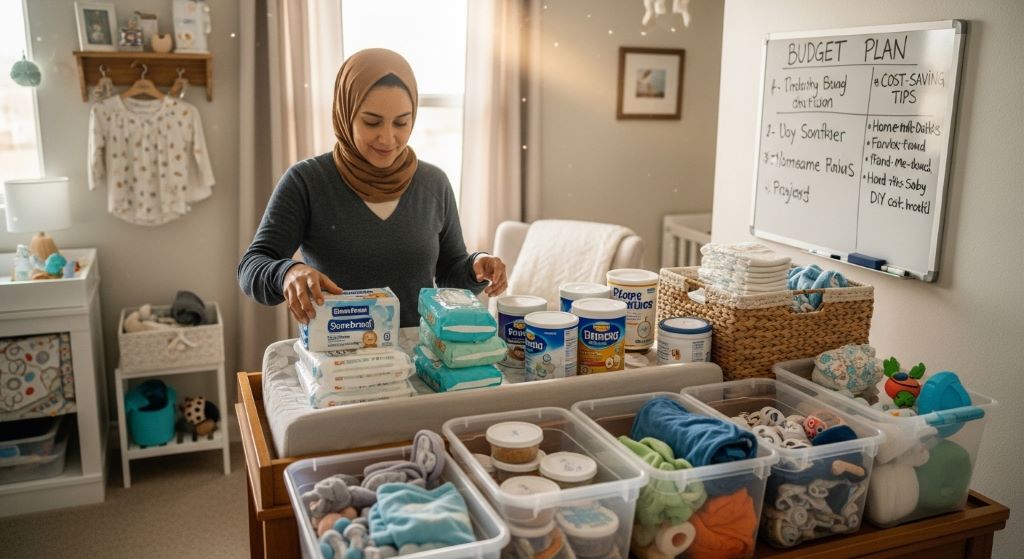
Simplify Your Baby’s Wardrobe
Babies do not need a large wardrobe. In fact, a small collection of comfortable clothes is often enough.
Focus on:
- Soft, breathable fabrics
- Easy-to-wash materials
- Neutral colors that match easily
Additionally, avoid buying too many clothes in one size. Babies grow fast, so it is better to buy gradually.
This approach helps you stick to low cost baby items without sacrificing comfort.
Use Reusable Products When Possible
Reusable products can significantly reduce recurring expenses. While they may cost more upfront, they often save money over time.
Examples include:
- Cloth diapers
- Washable wipes
- Reusable feeding accessories
Additionally, reusable items are environmentally friendly. Therefore, they benefit both your budget and the planet.
Plan Feeding Wisely
Feeding is a major part of baby care costs. Whether you choose breastfeeding or formula feeding, planning can help you save money.
If you use formula, compare brands and choose one that offers both quality and affordability. Additionally, avoid switching brands frequently, as it can lead to waste.
For solid foods, homemade options are often cheaper and healthier than packaged baby food.
Accept Help and Gifts
Friends and family often want to help new parents. Therefore, do not hesitate to accept useful gifts or hand-me-downs.
You can also create a practical wishlist for events like baby showers. This ensures that you receive items you actually need.
Additionally, sharing resources within your community can further reduce expenses.
Avoid Impulse Buying
Impulse buying is one of the biggest reasons for overspending. Baby stores are designed to attract attention with cute and colorful products.
However, not every item is necessary. Before buying anything, ask yourself:
- Do I really need this?
- Will my baby use it regularly?
- Is there a cheaper alternative?
Taking a moment to think can prevent unnecessary purchases.
Track Your Expenses
Keeping track of your spending helps you stay in control. You can use a simple notebook or a mobile app to record expenses.
Additionally, reviewing your spending habits can reveal areas where you can cut costs.
For example, you may notice that you are spending too much on clothing or toys. Therefore, you can adjust your budget accordingly.
Join Parenting Communities
Parenting groups can be a valuable resource. Many communities share tips, product reviews, and even free or discounted items.
Additionally, you can learn from other parents’ experiences. This helps you make informed decisions and avoid costly mistakes.
Being part of a supportive community makes budget parenting easier and more enjoyable.
Choose Store Brands
Store-brand products are often just as good as well-known brands. However, they usually cost less.
Items like diapers, wipes, and baby shampoo often have affordable alternatives that perform equally well.
Therefore, do not hesitate to try store brands. You may find that they meet your needs at a lower cost.
Rotate and Reuse Items
Babies outgrow items quickly. Instead of discarding them, consider reusing or repurposing them.
For example:
- Turn old clothes into cleaning cloths
- Save toys for future use
- Share items with other parents
Additionally, rotating toys keeps your baby engaged without the need to buy new ones frequently.
Conclusion
Saving money on baby care does not mean compromising on quality. With careful planning, smart choices, and a focus on essentials, you can provide the best care for your baby while staying within your budget.
By choosing practical products, buying in bulk, and avoiding unnecessary purchases, you can reduce expenses significantly. Additionally, using reusable items and accepting community support can further ease financial pressure.
Ultimately, parenting is about love, care, and attention. Expensive products are not required to raise a happy and healthy child.
FAQs
1. How can I start saving money on baby products?
Begin by identifying essential items and avoiding unnecessary purchases. Additionally, compare prices and look for discounts.
2. Are cheaper baby products safe?
Yes, many affordable products meet safety standards. However, always check reviews and certifications before buying.
3. Is it better to buy new or second-hand baby items?
Both options are good. However, second-hand items can save money if they are in good condition and meet safety requirements.
4. How can I reduce diaper costs?
You can buy in bulk, choose store brands, or use cloth diapers to save money over time.
5. What are the best ways to practice budget parenting?
Focus on essentials, avoid impulse buying, reuse items, and seek community support for advice and resources.
Related Topics:
Kingfun Adjustable Bed Wedge Pillow Set – Full Breakdown
What Is a Breastfeeding Support Pillow and Do You Really Need One?