
Living with an MTHFR gene mutation doesn’t mean sacrificing flavor or variety at dinnertime. In fact, creating delicious meals that support your body’s methylation process can be both enjoyable and satisfying. According to Health Define, understanding how your genetics affect nutrient processing is the first step toward optimal health. This article explores practical dinner ideas that align with MTHFR-friendly nutritional principles while keeping your meals exciting and nourishing.
The MTHFR gene mutation affects how your body processes folate and other B vitamins, which play crucial roles in detoxification. Therefore, choosing the right ingredients becomes essential. Many people following mthfr diet recipes discover that whole foods rich in natural folate can transform their energy levels and overall wellbeing. These recipes focus on nutrient-dense ingredients that bypass the need for synthetic folic acid, which can be problematic for those with this genetic variation.
Understanding MTHFR-Friendly Ingredients
Before diving into specific recipes, it’s helpful to understand which foods naturally support methylation. Leafy greens like spinach, kale, and romaine lettuce provide natural folate in its bioavailable form. Additionally, proteins such as grass-fed beef, wild-caught fish, and pasture-raised poultry offer essential B vitamins without additives.
Vegetables like broccoli, asparagus, and Brussels sprouts contain compounds that support detoxification pathways. Meanwhile, healthy fats from avocados, olive oil, and coconut oil help with nutrient absorption. These ingredients form the foundation of satisfying dinners that work with your body’s unique needs.
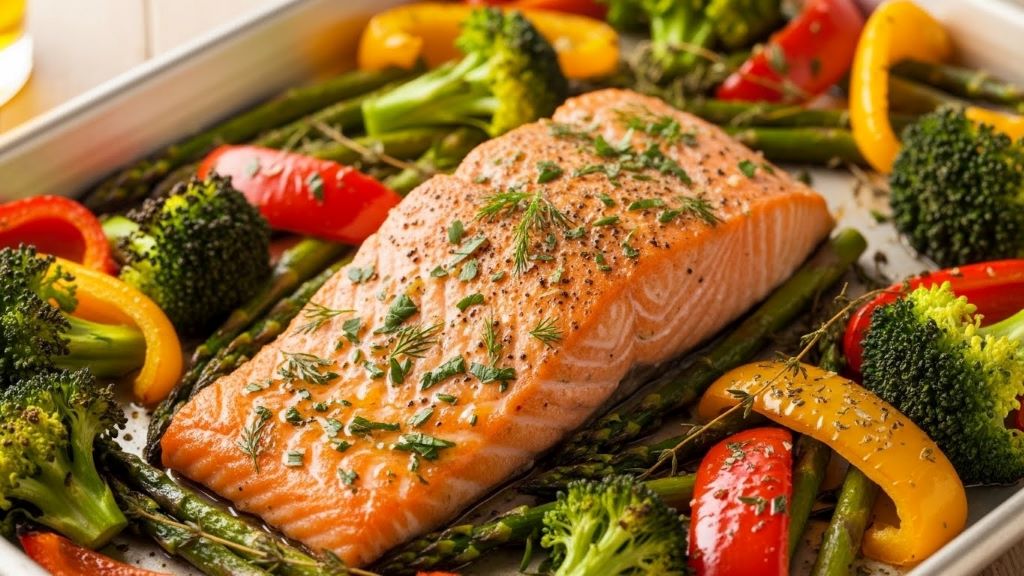
Simple Salmon and Vegetable Bake
This one-pan dinner combines omega-3 rich salmon with colorful vegetables for a complete meal. Start with wild-caught salmon fillets placed on a baking sheet. Surround them with chopped broccoli, bell peppers, and asparagus. Drizzle everything with olive oil and season with garlic, lemon juice, and herbs like rosemary or dill.
Bake at 400 degrees Fahrenheit for about 20 minutes until the salmon flakes easily. This meal provides methylfolate from the vegetables while delivering anti-inflammatory omega-3 fatty acids. Furthermore, the simplicity means less time in the kitchen and more time enjoying your evening.
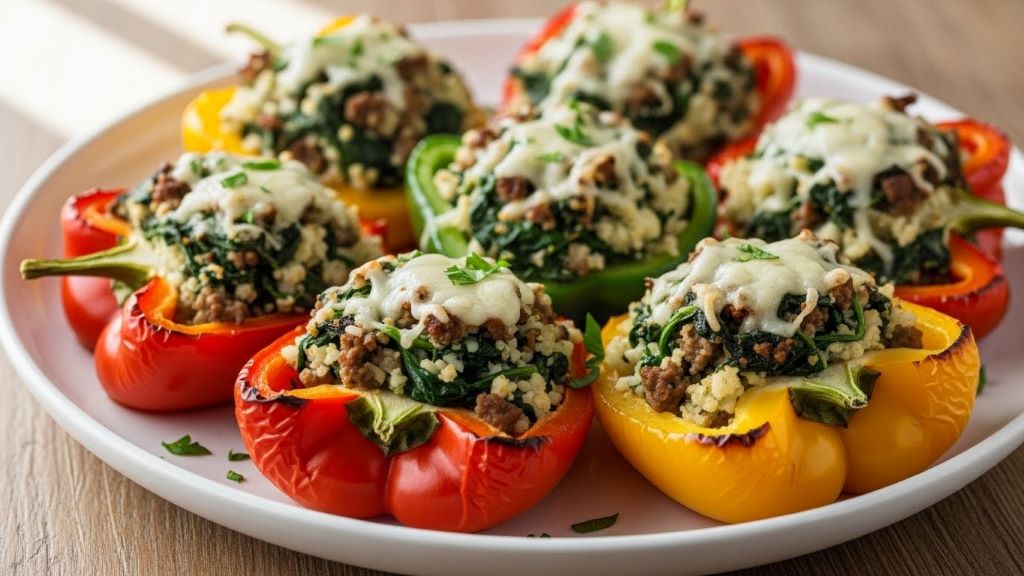
Grass-Fed Beef and Spinach Stuffed Peppers
Stuffed peppers offer a creative way to pack multiple MTHFR-friendly ingredients into one dish. Use large bell peppers as edible bowls filled with a mixture of grass-fed ground beef, fresh spinach, diced tomatoes, and cauliflower rice. Season the filling with onions, garlic, and Italian herbs for robust flavor.
The spinach provides natural folate while the grass-fed beef supplies vitamin B12 and other essential nutrients. According to research from the National Institutes of Health, adequate B12 intake is particularly important for those with MTHFR mutations. Bake these peppers until tender for a comforting dinner that supports your methylation pathways.
Lemon Herb Chicken with Roasted Root Vegetables
Roasted chicken paired with root vegetables creates a satisfying meal that’s naturally free from problematic ingredients. Marinate chicken thighs in lemon juice, olive oil, and fresh herbs like thyme and parsley. Meanwhile, chop carrots, parsnips, and beets into similar-sized pieces for even cooking.
Arrange everything on a roasting pan and cook until the chicken reaches a safe internal temperature. Root vegetables contain beneficial nutrients and fiber that support digestive health. Moreover, this dish reheats beautifully, making it perfect for meal preparation.
Zucchini Noodle Pasta with Turkey Meatballs
Spiralized zucchini offers a grain-free alternative to traditional pasta while adding extra vegetables to your plate. Make meatballs using ground turkey, fresh herbs, minced garlic, and an egg for binding. Avoid breadcrumbs that often contain fortified flour with synthetic folic acid.
Sauté the zucchini noodles briefly to maintain their texture. Top them with homemade marinara sauce made from fresh tomatoes, basil, and oregano. The combination provides protein, natural folate, and satisfying flavors without inflammatory ingredients.
Coconut Curry with Vegetables and Shrimp
This aromatic curry delivers bold flavors while remaining completely MTHFR-friendly. Sauté onions and garlic in coconut oil, then add curry powder, turmeric, and ginger for depth. Pour in full-fat coconut milk to create a creamy base.
Add vegetables like cauliflower, green beans, and bell peppers along with wild-caught shrimp. Simmer until everything is cooked through. Serve over cauliflower rice instead of grain-based options. This meal provides anti-inflammatory compounds and supports detoxification naturally.
Sheet Pan Chicken Fajitas
Fajitas become MTHFR-friendly when you skip the flour tortillas and focus on the filling. Slice chicken breast, bell peppers, and onions into strips. Toss them with olive oil, lime juice, and fajita seasoning made from cumin, chili powder, and paprika.
Spread everything on a sheet pan and roast until the chicken is cooked and vegetables are slightly charred. Serve the mixture in lettuce wraps or over a bed of mixed greens. This approach eliminates fortified grains while maximizing vegetable intake.
Baked Cod with Lemon Garlic Greens
White fish like cod provides lean protein without the heavy feeling of red meat. Place cod fillets in a baking dish with lemon slices and fresh herbs. While the fish bakes, sauté kale or Swiss chard with garlic and a splash of bone broth.
The leafy greens deliver methylfolate in its most bioavailable form. Additionally, the mild flavor of cod pairs well with various seasonings, making this recipe adaptable to your preferences. A squeeze of fresh lemon before serving brightens all the flavors.
Turkey and Vegetable Stir-Fry
Stir-fries offer endless possibilities for combining MTHFR-friendly ingredients. Cut turkey breast into bite-sized pieces and cook in coconut oil over high heat. Add colorful vegetables like snap peas, carrots, bok choy, and mushrooms.
Season with coconut aminos instead of soy sauce to avoid additives. Ginger and garlic add flavor while supporting digestion and detoxification. This quick dinner comes together in under 30 minutes, perfect for busy weeknights.
Lamb Chops with Mint Pesto and Cauliflower Mash
For a more elegant dinner option, lamb chops provide rich flavor and essential nutrients. Season them simply with salt, pepper, and fresh rosemary. While they cook, prepare a mint pesto using fresh mint, pine nuts, olive oil, and lemon juice.
Create cauliflower mash as a substitute for traditional mashed potatoes. Steam cauliflower florets until tender, then blend with grass-fed butter or ghee and garlic. This combination offers restaurant-quality flavor while supporting your body’s unique needs.
Tips for Meal Planning and Preparation
Planning your MTHFR-friendly dinners in advance reduces stress and ensures you have the right ingredients available. Set aside time each week to prepare vegetables, marinate proteins, and batch-cook staples like cauliflower rice. This preparation makes weeknight cooking much more manageable.
Keep your pantry stocked with essential items like olive oil, coconut oil, herbs, spices, and sea salt. Therefore, you can quickly create flavorful meals without relying on processed seasonings that may contain unwanted additives. Fresh ingredients should be purchased regularly to maintain optimal nutrient content.
Conclusion
Creating satisfying, detox-friendly dinners for those with MTHFR mutations is entirely achievable with the right approach. By focusing on whole foods, natural folate sources, and quality proteins, you can enjoy diverse meals that support your methylation pathways. These recipes demonstrate that eating for your genetic needs doesn’t require sacrifice or complicated preparation.
The key lies in understanding which ingredients work best for your body and keeping your kitchen stocked with MTHFR-friendly staples. From simple sheet pan dinners to more elaborate preparations, these ideas provide a foundation for nourishing yourself while managing your unique genetic makeup. Remember that consistency matters more than perfection, and each meal is an opportunity to support your health.
Frequently Asked Questions
What foods should I avoid with MTHFR mutation?
Avoid foods with synthetic folic acid, including fortified breads, cereals, and processed grains. Also limit processed foods, alcohol, and foods high in synthetic additives that can interfere with methylation.
Can I eat pasta with MTHFR mutation?
Traditional wheat pasta contains fortified flour with synthetic folic acid. However, you can enjoy alternatives like zucchini noodles, spaghetti squash, or grain-free pasta made from vegetables or legumes.
What proteins are best for MTHFR diet?
Grass-fed beef, wild-caught fish, pasture-raised poultry, and eggs are excellent choices. These provide natural B vitamins, including B12, without the additives found in conventionally raised meats.
How do I get enough folate without folic acid?
Focus on leafy greens like spinach and kale, cruciferous vegetables like broccoli and Brussels sprouts, asparagus, avocados, and legumes. These provide natural methylfolate that your body can easily process.
Are dairy products okay for MTHFR diet?
High-quality dairy from grass-fed sources can be included if you tolerate it well. Choose organic options and consider fermented dairy like yogurt or kefir, which may be easier to digest and contain beneficial probiotics.
Related Topics: