
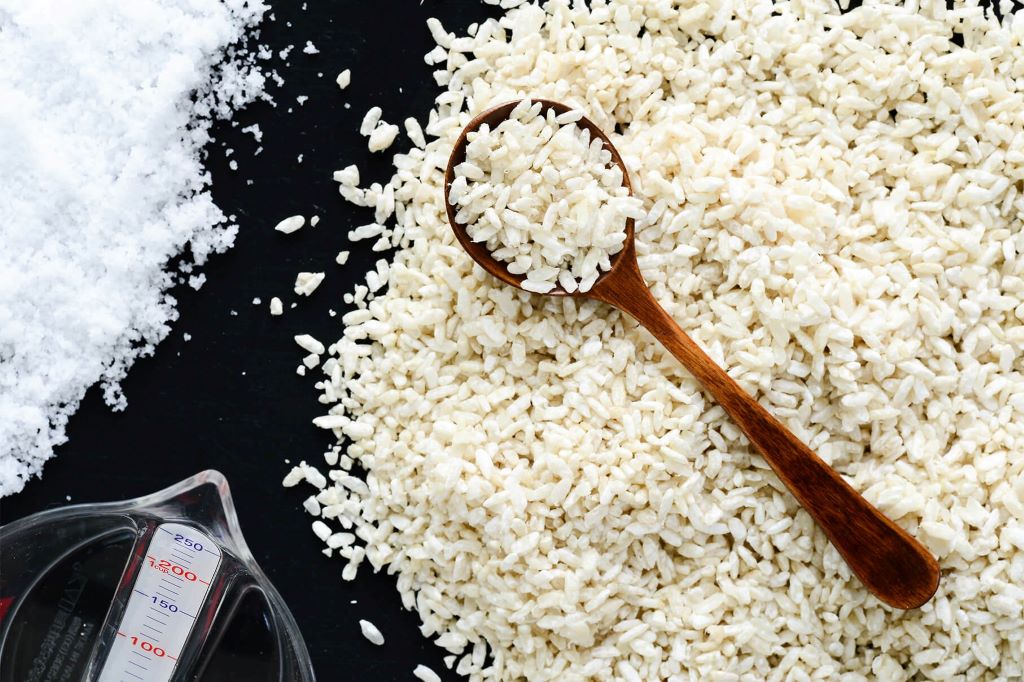
Shio koji is a traditional Japanese seasoning made by fermenting a mixture of rice inoculated with Aspergillus oryzae mold, salt, and water. This fermentation process produces enzymes that break down proteins and starches, enhancing the umami flavor in foods. Shio koji has been a staple in Japanese cuisine for centuries, valued for its ability to tenderize meats and deepen flavors.
The Science Behind Shio Koji’s Flavor Enhancement
The key to shio koji’s effectiveness lies in its enzymatic activity. Enzymes like protease and amylase break down proteins into amino acids and starches into sugars, respectively. This process not only tenderizes meats but also enhances the natural sweetness and umami of the ingredients.
How to Use Shio Koji in Your Cooking
-
As a Marinade
Shio koji is an excellent marinade for meats and seafood. Its enzymes tenderize the proteins, resulting in a juicy and flavorful dish. For best results, marinate meats for at least 30 minutes and up to 24 hours, depending on the cut.
-
As a Seasoning
Use shio koji as a substitute for salt in soups, stews, and sauces. Its complex flavor profile adds depth to dishes without the need for additional seasonings. A general guideline is to use two teaspoons of shio koji for every teaspoon of salt.
-
For Pickling
Shio koji can be used to pickle vegetables like cucumbers and daikon radish. Simply coat the vegetables with shio koji and let them sit in the refrigerator for 24 hours. The result is a quick and flavorful pickle.

Health Benefits of Shio Koji
Shio koji is not only a flavor enhancer but also offers health benefits. It contains B vitamins, which can aid in fatigue recovery. Additionally, its enzymatic activity can improve digestion by breaking down complex proteins and starches into simpler forms.
Tips for Using Shio Koji
- Avoid High Heat: Shio koji can burn easily due to its sugar content. Cook over medium heat and monitor closely.
- Storage: Store shio koji in a sealed container in the refrigerator for up to six months. For longer storage, it can be frozen for up to a year.
- Blending: For a smoother consistency, blend shio koji before use, especially when incorporating into dressings or sauces.
Read Also: Have Muscadine Grapes on Hand? Conjure Up a Muscadine Grape Jam Recipe!
Featured Snippet:
Q: What is shio koji, and how is it used in cooking?
A: Shio koji is a Japanese seasoning made by fermenting rice inoculated with Aspergillus oryzae mold, salt, and water. This fermentation produces enzymes that break down proteins and starches, enhancing the umami flavor in foods. Shio koji is versatile and can be used as a marinade to tenderize meats, a seasoning to replace salt in various dishes, and a pickling agent for vegetables. Its ability to deepen flavors and improve texture makes it a valuable addition to any kitchen.
FAQs
-
Can I make shio koji at home?
Yes, by fermenting rice inoculated with Aspergillus oryzae mold, salt, and water for about 10 days at room temperature.
-
Where can I buy shio koji?
Shio koji is available in Japanese grocery stores and online retailers. Look for it in the condiment or international foods section.
-
Is shio koji suitable for vegetarians and vegans?
Yes, shio koji is plant-based and suitable for both vegetarians and vegans.
-
How long does shio koji last?
When stored in the refrigerator, shio koji can last up to six months. It can also be frozen for up to a year.
-
Can I use shio koji in baking?
It’s not recommended, as the enzymes can break down gluten, affecting the texture of baked goods.
-
Does shio koji contain gluten?
Traditional shio koji made with rice is gluten-free, but always check labels, as some variations may include barley or other gluten-containing grains.
-
Can I reuse shio koji after marinating?
No, it’s not advisable to reuse shio koji after it has been in contact with raw meat or fish due to potential bacterial contamination.
Incorporating shio koji into your cooking can elevate the flavors and textures of your dishes. Its versatility and health benefits make it a valuable addition to any culinary repertoire.
Read More: Ready to Ditch Regular Coffee? Sip on This Okra Seed Coffee Alternative!