

Concrete is tough—but not invincible. Over time, it can crack from freeze-thaw cycles, heavy loads, or foundation shifts. If you’ve noticed a crack in your driveway or basement floor, ignoring it can lead to bigger problems—like water damage, mold growth, or even structural issues.
That’s where epoxy comes in.
Concrete crack repair epoxy offers a strong, durable fix. Unlike traditional sealants that simply fill the gap, epoxy bonds the concrete together on a deeper level. It stops further cracking and restores the structure’s strength.
Having dealt with driveway cracks after a harsh winter, I learned this firsthand. My contractor friend recommended epoxy, and the results were night and day. Years later, the fix still holds.
This guide will help you understand what makes the best concrete crack repair epoxy, how to apply it, and which product is right for your repair needs.
Before we dive in, if you’re looking for expert advice and tools to restore your driveway or concrete surface, make sure to explore The Straight Choice for helpful resources and product insights.
Why Cracks in Driveway Need Urgent Repair
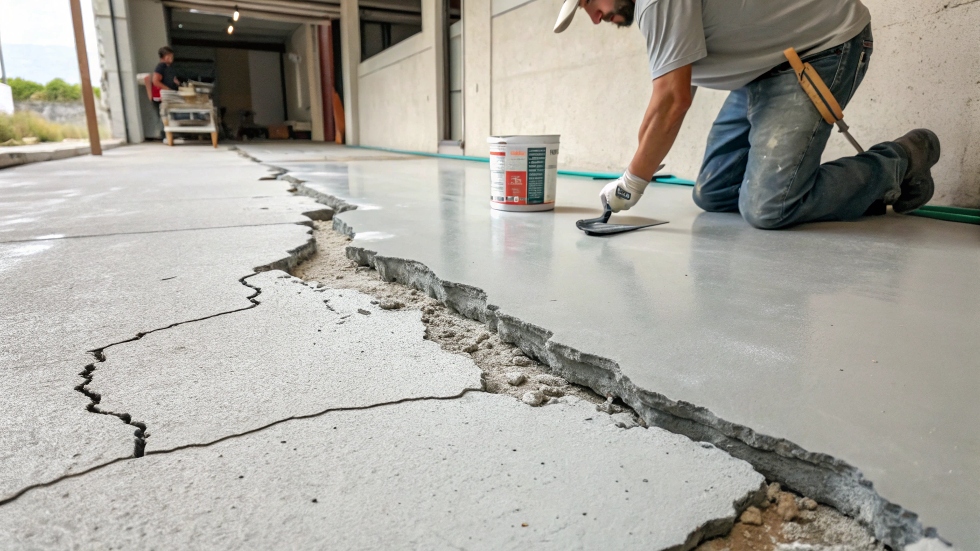
Homeowners often overlook small cracks, especially in driveways. But even hairline fractures can expand, especially in regions that experience temperature swings.
In fact, cracks in driveway can be signs of deeper issues. Water seeps into the crack, freezes, and expands. This makes the gap wider and more dangerous. Over time, it compromises the surface integrity, leading to trip hazards or more expensive repairs.
According to the American Concrete Institute, freeze-thaw damage is one of the top three causes of concrete failure. If addressed early using the right epoxy, you can save hundreds—if not thousands—of dollars in repair costs.
Here are a few reasons epoxy stands out:
- It bonds with both sides of the crack permanently.
- It resists moisture, oils, and heavy pressure.
- It’s designed for interior and exterior use.
For those who love DIY fixes, epoxy also simplifies the process. No need to call in a pro if you’ve got the right kit and follow instructions closely.
Key Features to Look for in a Quality Concrete Crack Repair Epoxy
Not all epoxies are equal. While they might look the same on shelves, the results can differ based on strength, cure time, and ease of use.
Here are the most important things to check before buying:
-
Two-Part System
Most high-performance epoxies come as a two-part system: resin and hardener. When mixed, they trigger a chemical bond. This results in a strong, durable repair that outperforms standard fillers or caulks.
-
Low Viscosity
For deep cracks, look for low-viscosity epoxy. It flows easily into small spaces and hairline fractures, creating a seamless bond. Thicker versions are better for wider gaps but might not penetrate as well.
-
Fast Curing Time
Depending on your climate or schedule, you may want a fast-set epoxy. Some formulas cure in under an hour, allowing you to drive or walk on the surface quickly. However, fast cures can be more sensitive to temperature and humidity.
-
Moisture Tolerance
Some epoxies are moisture-insensitive, which is crucial for outdoor or basement repairs. These work even when the surface isn’t bone-dry—perfect for emergencies or unpredictable weather.
-
Compressive Strength
Choose a product with high compressive strength (above 8,000 psi) for driveways or garage floors. It ensures the repair holds up under vehicle pressure and daily use.
Reading labels might seem dull, but trust me—knowing these features saved me from buying a cheap product that failed after a single season.
Top 3 Concrete Crack Repair Epoxies Reviewed
After testing and researching dozens of products, here are the best-performing options on the market:
-
Sikadur Crack Fix (by Sika)
Best for: Hairline cracks and narrow gaps
Curing Time: 6 hours (traffic-ready)
Strength: 9,000 psi compressive
Sikadur is known for reliability. It’s a low-viscosity epoxy that flows deep into tight cracks. It’s especially good for structural repairs and high-traffic areas.
Pros:
- Strong bond, even under heavy pressure
- Easy application with a caulk gun
- Fills cracks up to 1/4 inch
Cons:
- Slight chemical odor during application
- Not ideal for large surface areas
-
PC-Concrete Epoxy
Best for: Garage floors and driveways
Curing Time: 4 hours (initial set)
Strength: 6,000 psi
This one is a favorite among professionals. PC-Concrete has a thicker consistency, ideal for vertical surfaces or wider gaps. It resists oil, gas, and road salt—perfect for vehicle traffic.
Pros:
- Heavy-duty use
- Long-lasting repairs
- Non-sag formula for overhead work
Cons:
- Requires thorough mixing
- Slightly pricier than others
-
Rust-Oleum Concrete Patch & Repair
Best for: DIY home repairs
Curing Time: 8 hours
Strength: 4,500 psi
While it doesn’t match the industrial strength of others, this epoxy is great for beginners. It comes pre-mixed and is perfect for patching cosmetic cracks in patios or sidewalks.
Pros:
- Affordable and beginner-friendly
- Easy to apply with putty knife
- No mixing required
Cons:
- Limited structural use
- Slower cure time
Each of these epoxies works well depending on the job. For large structural repairs, I trust Sikadur. For garage patches, PC-Concrete gets the job done.
How to Apply Concrete Crack Repair Epoxy Step-by-Step
You don’t need to be a pro to apply epoxy—but preparation is everything. Here’s a clear step-by-step guide to help you avoid common mistakes:
Step 1: Clean the Crack
Use a wire brush to remove dust, loose concrete, or any old filler. Vacuum thoroughly. Dirt and grease prevent the epoxy from bonding properly.
Step 2: Widen the Crack (if needed)
For small cracks, use a hammer and chisel to slightly open the gap. This allows the epoxy to seep in deeper and form a better bond.
Step 3: Mix the Epoxy
Follow the instructions carefully. Usually, you’ll mix resin and hardener in a 1:1 ratio. Mix until the color is uniform.
Step 4: Apply the Epoxy
Use a caulk gun or putty knife to fill the crack. Work slowly to prevent bubbles. Smooth the surface while it’s still wet.
Step 5: Allow to Cure
Wait the full recommended cure time. Avoid foot or vehicle traffic until fully hardened.
Pro Tip: If applying in winter, use a heat gun or space heater to keep temperatures above 50°F. Epoxy cures best in warmer conditions.
When to Call a Professional
While DIY epoxy repair is effective, some situations call for professional help:
- Cracks wider than ½ inch
- Spalling or concrete flaking
- Water seeping through the slab
- Foundation wall movement
In these cases, a structural engineer or foundation specialist may be needed. Epoxy won’t solve foundation shifting or underground water leaks.
However, if you’re just sealing surface cracks, DIY kits are more than capable. Just take your time and follow the steps carefully.
Read More Also: Smart and Secure: How Safety Tech Is Revolutionizing Edgewater Condo Living
Final Thoughts
Concrete cracks aren’t just cosmetic. They point to deeper stress that needs a solid fix.
The best concrete crack repair epoxy seals the damage and restores the strength of your driveway, garage, or floor. Whether you’re patching small gaps or tackling larger damage, investing in the right product matters.
Here’s a quick recap:
- Sikadur: Best all-around strength
- PC-Concrete: Ideal for heavy-duty applications
- Rust-Oleum: Great for beginners and surface fixes
Now it’s your turn—have you used epoxy to fix concrete? Drop your experience in the comments or share this article with someone who needs it!
Read More Also: Garage Flooring Guide: Durable and Stylish Options for a Better Garage
FAQs
What is the best epoxy for driveway cracks?
Sikadur Crack Fix is highly recommended. It’s easy to apply and provides a durable, weather-resistant bond.
Can epoxy fix large concrete cracks?
Epoxy can fix cracks up to ½ inch wide. For larger cracks, consult a contractor for structural evaluation.
How long does epoxy last in a driveway repair?
High-quality epoxy can last 5–10 years or longer if applied correctly and protected from severe weather.
Can I apply epoxy myself?
Yes! With basic tools and careful prep, DIY epoxy repair is doable for most homeowners.
Does epoxy work in cold weather?
Some formulas are designed for cold climates. However, most perform best when applied above 50°F.