
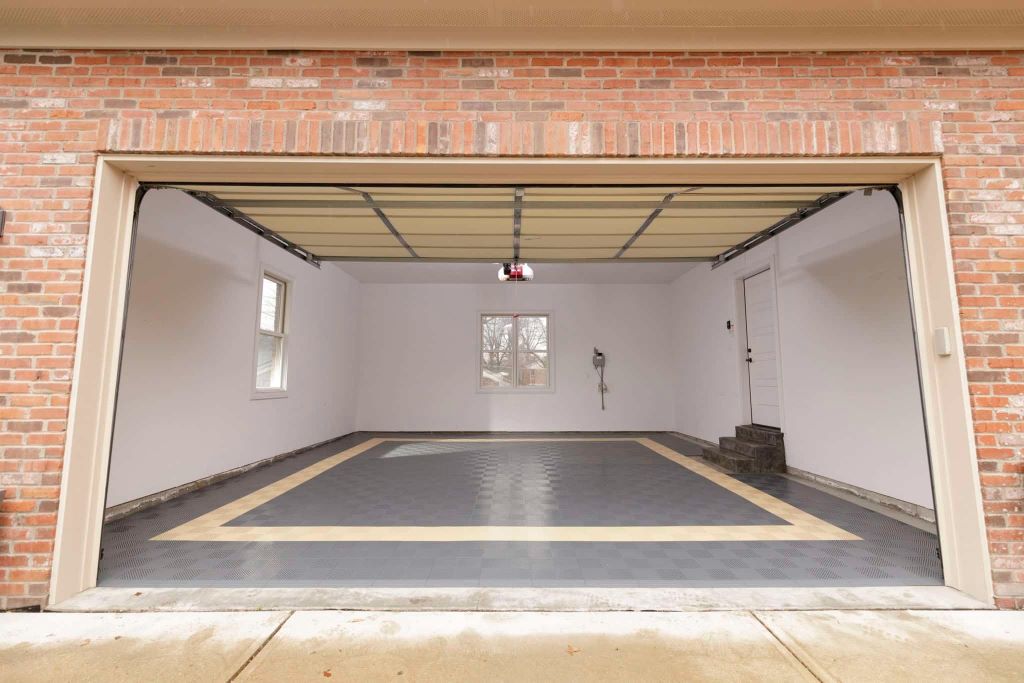
A garage is more than a place to park your car. It’s a workspace, a storage area, and sometimes even a showroom. The right flooring can make all the difference, offering durability, style, and easy maintenance. In this guide, we’ll explore the best garage flooring options, their pros and cons, expert insights, and answers to common questions.
Why Garage Flooring Matters
A quality garage floor enhances aesthetics and functionality. According to the National Association of Home Builders, 85% of homeowners use their garage for storage beyond just vehicles. This makes choosing the right flooring critical. Durability, resistance to stains, and slip resistance are key factors when selecting the best flooring solution.
Benefits of Upgrading Your Garage Flooring:
- Increased Durability: Protects against cracks, stains, and moisture damage.
- Enhanced Aesthetics: Adds a clean and professional look.
- Improved Safety: Reduces slips and falls with textured surfaces.
- Higher Property Value: A well-maintained garage can increase home resale value.
Best Garage Flooring Options
1. Epoxy Coating
Epoxy is one of the most popular choices for garage floors due to its resilience and sleek appearance.
Pros:
- Highly durable and resistant to chemicals and impacts.
- Creates a seamless, glossy finish that enhances aesthetics.
- Easy to clean with minimal maintenance.
- Comes in various colors and patterns.
Cons:
- Requires professional installation for best results.
- Can become slippery when wet unless a textured finish is added.
- Long curing time before usage.
Expert Tip: For a longer-lasting finish, opt for a 100% solid epoxy rather than water-based versions.
2. Polyaspartic Coatings
A more advanced alternative to epoxy, polyaspartic coatings offer faster drying times and superior durability.
Pros:
- Quick curing—ready to use within 24 hours.
- UV-resistant, preventing yellowing over time.
- Stronger than epoxy and more flexible.
Cons:
- More expensive than epoxy coatings.
- Requires professional installation for even application.
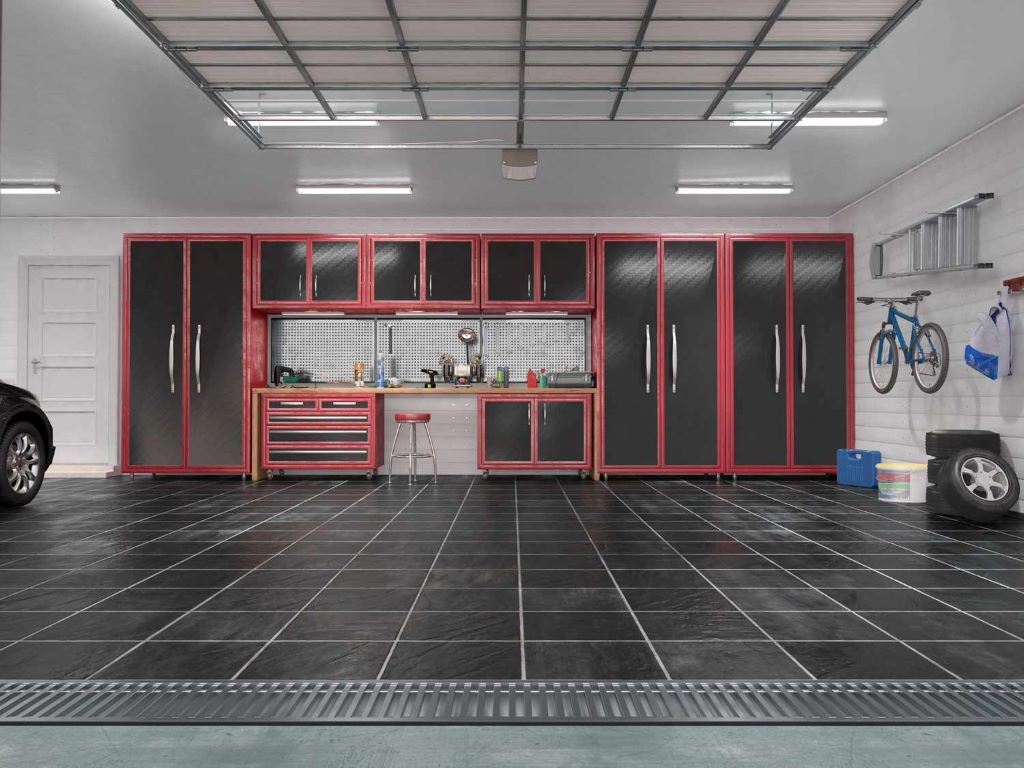
3. Interlocking Garage Tiles
Interlocking tiles are a convenient and stylish option that can be installed without adhesives.
Pros:
- DIY-friendly with no professional installation needed.
- Available in various materials, including rubber and PVC.
- Can be replaced individually if damaged.
Cons:
- Gaps between tiles may allow moisture and debris accumulation.
- High-quality tiles can be costly.
Expert Tip: Choose textured tiles for better traction and a non-slip surface.
4. Garage Floor Mats
Floor mats are an affordable way to protect your garage floor while improving its appearance.
Pros:
- Easy to install—just roll out and place.
- Protects the floor from oil spills and moisture.
- Available in different thicknesses and designs.
Cons:
- Less durable compared to coatings and tiles.
- Can shift out of place over time.
5. Concrete Sealer
A cost-effective solution for those who prefer a natural concrete look.
Pros:
- Affordable and easy to apply.
- Protects against stains and moisture.
- Maintains the natural industrial aesthetic of concrete.
Cons:
- Doesn’t provide impact resistance.
- Needs reapplication every few years.
Garage Flooring Reviews & Customer Opinions
Homeowners and contractors praise epoxy and polyaspartic coatings for their durability. According to a HomeAdvisor survey, 72% of homeowners prefer epoxy flooring for its longevity. Interlocking tiles are also gaining popularity for their easy installation and modern look.
Read More: How to properly maintain a garage door to prevent issues
Frequently Asked Questions (FAQs)
1. What is the most durable garage flooring option?
Polyaspartic coatings are the most durable, lasting over 20 years with proper maintenance.
2. Can I install epoxy flooring myself?
DIY epoxy kits are available, but professional installation ensures longevity and a flawless finish.
3. Are garage floor tiles better than coatings?
Tiles offer easy installation and flexibility, while coatings provide a seamless and permanent solution.
4. How do I maintain my garage flooring?
Regular sweeping, occasional mopping, and prompt spill cleanup help extend the life of your flooring.
5. Will garage flooring increase home value?
Yes, upgraded garage flooring enhances the overall home appeal and can increase resale value.
6. What is the best flooring for a high-moisture garage?
Polyaspartic coatings and interlocking PVC tiles resist moisture and prevent damage.
7. How long does epoxy flooring last?
Properly installed epoxy can last 10–15 years with regular maintenance.
Final Thoughts
Choosing the best garage flooring depends on your needs, budget, and aesthetic preference. Epoxy and polyaspartic coatings offer unmatched durability, while tiles and mats provide flexibility and easy installation. Investing in high-quality flooring transforms your garage into a stylish, functional space that stands the test of time.
For expert-recommended options and installation services, check online reviews and consult flooring professionals to make the best decision for your garage.
Read More: How to Diagnose Intermittent Garage Door Opener Signal Loss