
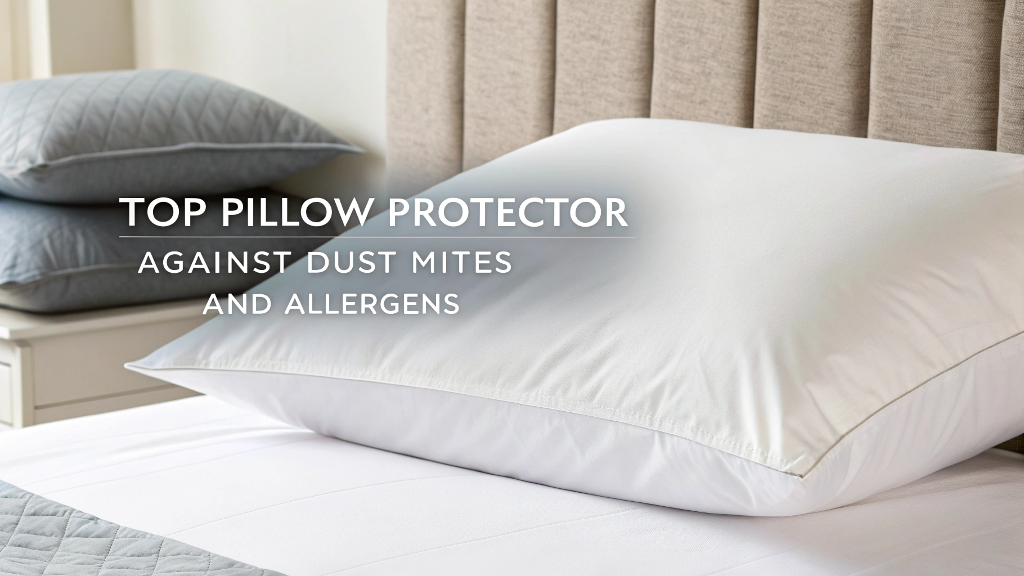
If you’ve ever woken up with itchy eyes, a stuffy nose, or constant sneezing, your pillow might be to blame. Unprotected pillows are a favorite hiding spot for dust mites and allergens. These tiny invaders often trigger allergies, asthma, and even skin irritations. Thankfully, a simple solution exists: pillow protectors.
Pillow protectors are zippered covers that act as a barrier between your pillow and unwanted particles. They help keep dust mites, dead skin, pet dander, and other allergens out of your sleeping space. It’s a small investment that can make a big difference in your health and comfort.
If you’re serious about improving your sleep hygiene, reducing allergies, and keeping your pillows fresh, it’s time to explore Pillow Show Case for high-quality protector options. Their expert guides and product suggestions make it easier to find what you need.
In this article, we’ll explain how pillow protectors shield you from allergens, share research-backed facts, and offer practical tips. We’ll also add a personal story that proves just how life-changing a simple fabric layer can be.
Why Dust Mites Love Your Pillow

Before understanding how pillow protectors help, let’s talk about what we’re up against. Dust mites are microscopic bugs that live in bedding, upholstery, and—yes—your pillows. They feed on the dead skin cells we naturally shed each night.
These pests are not visible to the naked eye, but their effects are hard to ignore. According to the Asthma and Allergy Foundation of America, nearly 20 million Americans are allergic to dust mites. The real culprit? Not the mites themselves, but their waste, which triggers allergic reactions.
Can you wash throw pillows? Yes, and doing so is a great start. But cleaning alone won’t solve the problem completely. That’s why using a pillow protector is essential. It blocks the mites from getting in and thriving in the first place.
Even if you clean your pillow every few months, dust mites can multiply fast. A single gram of dust can contain up to 1,000 mites. Without a barrier, your pillow turns into a breeding ground.
How Pillow Protectors Create a Powerful Barrier
Now, let’s look at how pillow protectors work. These covers are typically made from tightly woven fabric or synthetic materials. The goal is to trap allergens before they enter the pillow. Some advanced versions also feature waterproof layers for added protection.
Here’s what they block:
- Dust mites and their droppings
- Pet dander
- Pollen
- Dead skin cells
- Fungal spores and mold
According to a study by the Journal of Allergy and Clinical Immunology, the use of allergen-proof pillow covers led to a significant reduction in allergy symptoms in both adults and children.
That means fewer sneezes, fewer itches, and better sleep. And if you’re asthmatic, pillow protectors can make a real difference. The same study reported improved breathing patterns in patients using allergen-blocking bedding.
From personal experience, I can confirm their effectiveness. My husband has struggled with dust allergies for years. After switching to zippered pillow protectors, his nighttime sneezing dropped dramatically within just a week.
Improve Sleep Quality with Allergy-Free Bedding
If you’re not sleeping well, allergens might be affecting your rest. Sneezing, coughing, or a congested nose at night can disturb your sleep cycles. You may not even realize why you wake up tired.
Using pillow protectors is an easy way to improve sleep hygiene. They create a cleaner sleep environment, which promotes deeper and uninterrupted rest.
Here are a few additional benefits:
- Less skin irritation
- Reduced asthma flare-ups
- Lower risk of respiratory infections
- Cleaner indoor air
According to the National Sleep Foundation, clean bedding contributes to better sleep quality. And pillow protectors are one of the easiest, most affordable steps in that direction.
What to Look for in a Quality Pillow Protector
Not all protectors are made the same. When shopping, it’s important to choose a product that truly blocks allergens and lasts over time.
Here’s what to check:
- Tight weave – Look for covers labeled “micron barrier” or “hypoallergenic.”
- Zippered closure – Open-ended covers let allergens in. Zippers seal the deal.
- Breathable fabric – You don’t want to sweat all night. Cotton-poly blends work well.
- Noise level – Avoid plastic-like protectors that make crinkling sounds.
- Waterproofing – Ideal for kids, pets, or night sweats.
Additionally, make sure the protector is machine-washable. Easy care encourages regular cleaning, which keeps allergens at bay.
If you’re still unsure, reading verified customer reviews can help. And always check for certifications from allergy or asthma foundations.
Cleaning Tips: Keep Your Bedding Allergen-Free
Using pillow protectors is a huge step forward, but maintenance matters too. Keeping everything clean maximizes their effectiveness.
Here are some easy-to-follow tips:
- Wash protectors every 1–2 months in hot water (at least 130°F) to kill dust mites.
- Use fragrance-free detergents to avoid skin irritation.
- Clean your pillowcases weekly as they are the first layer of contact.
- Vacuum your mattress and headboard regularly, especially if upholstered.
- Avoid eating in bed, as crumbs attract dust mites and other pests.
Also, replace your pillows every 1–2 years. Even with protectors, pillows eventually break down and accumulate dust.
A Life-Changing Switch for My Family
Let me share a quick story. A few years ago, my daughter began experiencing nightly congestion. We assumed it was seasonal allergies. We cleaned her room more often, changed air filters, even tried humidifiers. Nothing helped.
Eventually, our pediatrician recommended allergen-proof bedding. Skeptical but desperate, we bought pillow protectors and a mattress cover. The result? Within a few days, her symptoms improved drastically.
Now, everyone in the house uses pillow protectors—including the dog’s bed. It’s become part of our cleaning and health routine.
Sometimes, small changes make the biggest difference. This one did for us.
Read More Also: Best Concrete Crack Repair Epoxy: Fix Cracks Like a Pro and Make It Last
Conclusion
Allergies and asthma can seriously affect your quality of life, especially at night. Pillow protectors are an affordable and effective way to defend your health and improve sleep.
They block allergens before they reach your skin and lungs. They’re easy to clean, simple to use, and last a long time. Whether you suffer from allergies or just want cleaner bedding, they’re a smart choice.
Try it for yourself—your nose, skin, and lungs will thank you.
If you found this article helpful, leave a comment below or share it with someone who needs cleaner sleep!
Read More Also: Payroll Optimization Hacks for Small Teams Online
FAQs
What is the main benefit of using a pillow protector?
Pillow protectors block allergens like dust mites, pollen, and pet dander, helping reduce allergy symptoms and improve sleep.
How often should I wash a pillow protector?
Wash your pillow protector every 1–2 months in hot water to keep it free from dust mites and allergens.
Can pillow protectors stop mold?
Yes, many pillow protectors block moisture, which helps prevent mold growth. However, regular washing is still necessary.
Do pillow protectors make you sweat?
Not if you choose breathable materials like cotton-poly blends. Avoid plastic covers unless waterproofing is needed.
Are pillow protectors safe for kids and pets?
Absolutely. In fact, they’re recommended for children and pets with allergies to reduce exposure to dust mites and dander.