
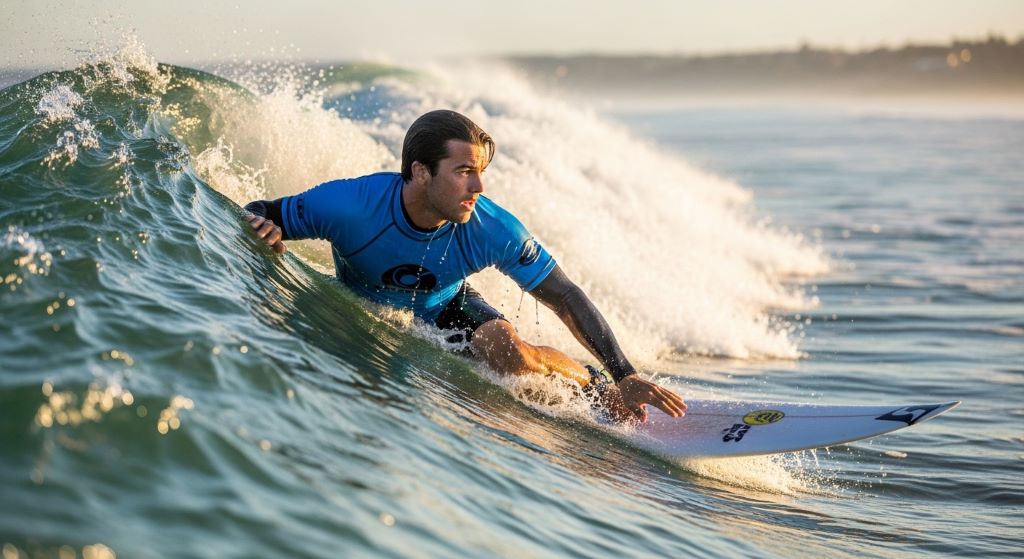
Every surfer knows the feeling of a rash guard that gives out too soon. The stitching comes apart. The color fades after a few weeks in the sun. The fabric stretches out and never quite bounces back. Finding a rash guard that holds up through real surf conditions takes more than just grabbing the first option you see.
This guide will walk you through everything you need to know. From the materials that matter most to how you care for your gear after each session, you will leave with the knowledge to make a smart, lasting choice.
Why Durability Matters More Than Style
It is easy to get drawn in by eye-catching prints and trendy designs. However, a rash guard that looks great but falls apart after a season is a poor investment. Surfers put their gear through a lot. Salt water, UV rays, sand friction, and repeated stretching all take a toll on fabric over time.
A truly durable rash guard protects your skin, moves with your body, and maintains its shape and color through months of consistent use. Therefore, durability should always be your first priority, not your last.
Understanding Rash Guard Fabrics
The fabric is the most important factor in how long a rash guard will last. Not all materials perform equally in the water. Knowing the difference helps you choose wisely.
Spandex and Polyester Blends
Most high-quality rash guards are made from a blend of polyester and spandex. Polyester is resistant to chlorine, salt water, and UV degradation. Spandex adds the stretch that allows the guard to move with your body without pulling or restricting.
A blend of around 80 percent polyester and 20 percent spandex is a common and reliable combination. This ratio provides good stretch recovery, meaning the fabric returns to its original shape after being pulled and released. Additionally, it dries quickly, which reduces the growth of mildew and bacteria between sessions.
Nylon-Based Fabrics
Nylon is softer against the skin than polyester and has a smooth feel that many surfers prefer. It also resists abrasion well, which matters when you are paddling across a wax-coated board for hours. However, nylon tends to be slightly less resistant to UV damage than polyester over time.
Some premium rash guards use nylon as the primary fabric with added UV-inhibiting treatments. These work well, though the treatment can fade with repeated washing if care instructions are not followed properly.
Recycled Fabrics
Sustainable surf brands have introduced rash guards made from recycled plastic bottles and ocean waste. These fabrics perform surprisingly well and have improved significantly in recent years. Fabric quality in recycled-material rash guards has reached a point where many are just as durable as traditional options, making them a solid choice for eco-conscious surfers.
What to Look for in Stitching and Construction
Fabric is only part of the story. The way a rash guard is constructed determines how well it holds together under stress.
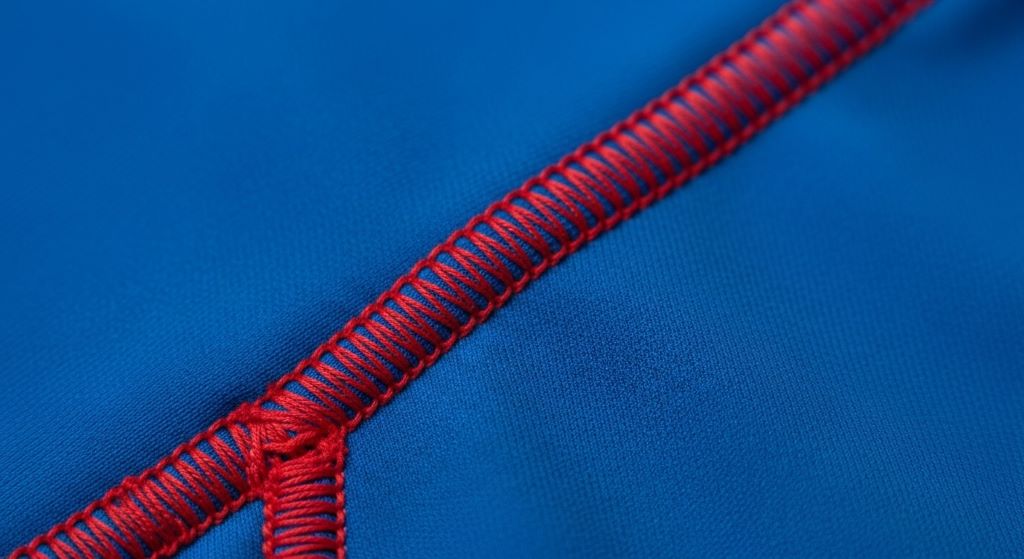
Flatlock stitching is the standard for quality rash guards. This type of stitch lies flat against the skin, which prevents chafing during long paddle sessions. It also creates a stronger seam than a simple overlock stitch. You can identify flatlock stitching by looking at the inside of the garment — the seams should be smooth and even, not bunched or raised.
Additionally, reinforced stitching at high-stress points matters a great deal. The underarm area, shoulder seams, and cuffs take the most wear. A well-built rash guard will have extra reinforcement at these spots. Check them before buying, even when shopping online, by reading product descriptions carefully.
The Role of UPF Ratings
Sun protection is a key function of any rash guard. A UPF (Ultraviolet Protection Factor) rating tells you how much UV radiation the fabric blocks. A rating of UPF 50 blocks around 98 percent of UV rays, which is the standard you should aim for.
Higher UPF ratings also tend to indicate denser, more tightly woven fabric. Therefore, a high UPF rating often goes hand in hand with better overall durability. Look for a rating clearly stated on the product label or description.
Be cautious of rash guards that claim sun protection without providing a specific UPF rating. Vague claims are a red flag for lower-quality construction.
Choosing the Right Fit for Longevity
A rash guard that fits poorly will wear out faster. A fit that is too tight puts constant strain on the seams. A fit that is too loose creates excess fabric that drags in the water and rubs against the board.
Look for a snug but comfortable fit that allows full arm movement. You should be able to stretch your arms overhead without the fabric pulling out of the waistband. Additionally, the cuffs should grip your wrists lightly without cutting off circulation.
Trying the rash guard on in a surf-specific movement — reaching forward as if paddling — is the best test. If the seams tug or the fabric bunches, it is not the right fit.
Long Lasting Surf Gear Starts with Smart Brand Research
Not all surf brands are equally committed to durability. Some prioritize fast fashion over function, producing cheap gear that looks good on the rack but fails in the water. Long lasting surf gear comes from brands that have a proven track record with real surfers.
Look for brands that publish technical details about their materials and construction methods. Brands that are transparent about fabric composition, UPF ratings, and stitching techniques tend to produce more reliable products. Furthermore, reading reviews from experienced surfers — not just beginners — gives you a clearer picture of how the gear performs after months of regular use.
Surf Wear Care After Every Session
Buying a quality rash guard is only half the battle. How you care for it determines how long it actually lasts. Proper surf wear care is one of the most overlooked aspects of keeping gear in good condition.
After every surf session, rinse your rash guard thoroughly in cold, fresh water. Salt water is corrosive to fabric fibers over time. Even a quick rinse removes most of the salt and sand that would otherwise break down the material.
Avoid wringing or twisting the fabric to remove water. Instead, gently press out the excess moisture and hang the rash guard in the shade to dry. Direct sunlight speeds up UV degradation even when the guard is not being worn. Therefore, drying in the shade is a simple habit that adds significant time to the life of your gear.
Wash your rash guard in cold water on a gentle cycle. Use a mild detergent that is free from bleach and fabric softeners. Fabric softeners coat the fibers and reduce their elasticity over time. Additionally, avoid tumble drying. High heat breaks down spandex quickly, causing the fabric to lose its stretch and shape permanently.
Signs a Rash Guard Is Losing Its Quality
Even with good care, rash guards do not last forever. Knowing when it is time to replace one helps you stay protected in the water.
Watch for these signs of wear:
- Fabric becomes thin or starts to pill on the surface
- Seams begin to fray or pull away from the fabric
- The UPF protection may have degraded if the color has faded significantly
- The fabric no longer snaps back quickly after being stretched
- The guard retains an odor even after washing
When these signs appear, it is time to invest in a replacement. Continuing to surf in a compromised rash guard means less protection and more discomfort.
Getting the Most Value from Your Purchase
A higher price does not always mean better quality, but extremely low-priced rash guards rarely perform well over time. Aim for the mid-to-upper price range from established surf brands. This typically gets you better fabric quality, stronger construction, and longer-lasting color.
Additionally, buying one excellent rash guard is almost always better value than buying three cheap ones. The total cost ends up lower, and you get consistent protection and performance throughout.
Conclusion
Choosing a durable rash guard comes down to understanding what makes the gear last. The right fabric blend, solid flatlock construction, a high UPF rating, and a proper fit all work together to give you a rash guard that performs through session after session. Paying attention to fabric quality and backing it up with consistent surf wear care will protect your investment and keep you comfortable in the water for years.
Long lasting surf gear is not about luck. It is about making informed choices from the start and looking after what you buy. With the right knowledge, your next rash guard can be one that genuinely earns its place in your regular rotation.
Frequently Asked Questions
How often should I replace my rash guard?
With proper care, a quality rash guard can last one to three years of regular use. Replace it when the fabric thins, seams fray, or it loses its shape and elasticity.
Can I machine wash my rash guard?
Yes, but use a cold, gentle cycle with a mild detergent. Avoid bleach, fabric softeners, and tumble drying, as these all degrade the fabric over time.
Does a higher UPF rating mean a more durable rash guard?
Often, yes. Higher UPF ratings usually indicate denser, more tightly woven fabric, which tends to hold up better under repeated use and washing.
Is there a difference between a surfing rash guard and a swim rash guard?
Yes. Surf rash guards are built for more intense movement and abrasion. They typically use stronger stitching and more resilient fabric blends compared to basic swim rash guards designed for casual pool use.
How do I remove sunscreen stains from my rash guard?
Rinse in cold water immediately after use. For stubborn stains, soak briefly in cold water with a small amount of mild detergent before washing. Avoid hot water, which sets stains permanently.
Related Topics:
How to Choose Cycling Shorts for Long Distance Comfort
How to Choose Breathable Women’s Cycling Shorts for Hot Weather