
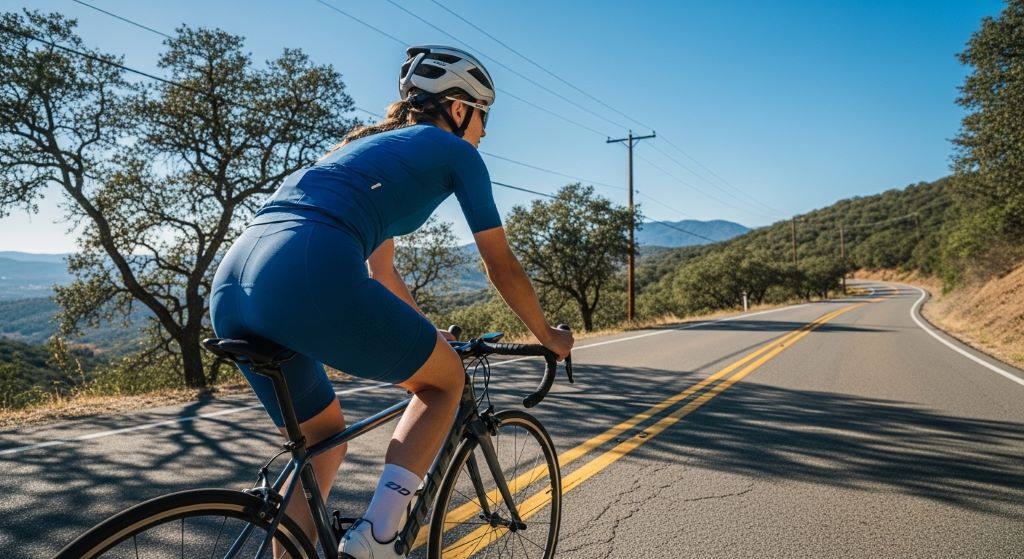
Riding a bike in summer is one of the best feelings in the world. The open road, the warm breeze, and the rhythm of pedaling can be deeply refreshing. However, the heat can quickly turn a pleasant ride into an uncomfortable one if you are not wearing the right gear. Choosing the right cycling shorts is one of the most important decisions you can make before heading out on a hot day.
This guide will walk you through everything you need to know. You will learn which fabrics to look for, how padding affects comfort, what fit works best in the heat, and which features matter most. By the end, you will feel confident picking the perfect pair of shorts for warm-weather rides.
Why Fabric Matters Most in Hot Weather
The fabric of your cycling shorts is the single most important factor when riding in heat. Sweat builds up quickly when the temperature rises. Therefore, you need a material that moves sweat away from your skin and dries fast. This is exactly what moisture-wicking bike shorts are designed to do.
Moisture-wicking fabrics pull sweat away from the body. They push it to the outer surface of the fabric, where it can evaporate quickly. This process keeps your skin drier and cooler during your ride. Without this feature, sweat sits on your skin and can cause chafing, irritation, and discomfort.
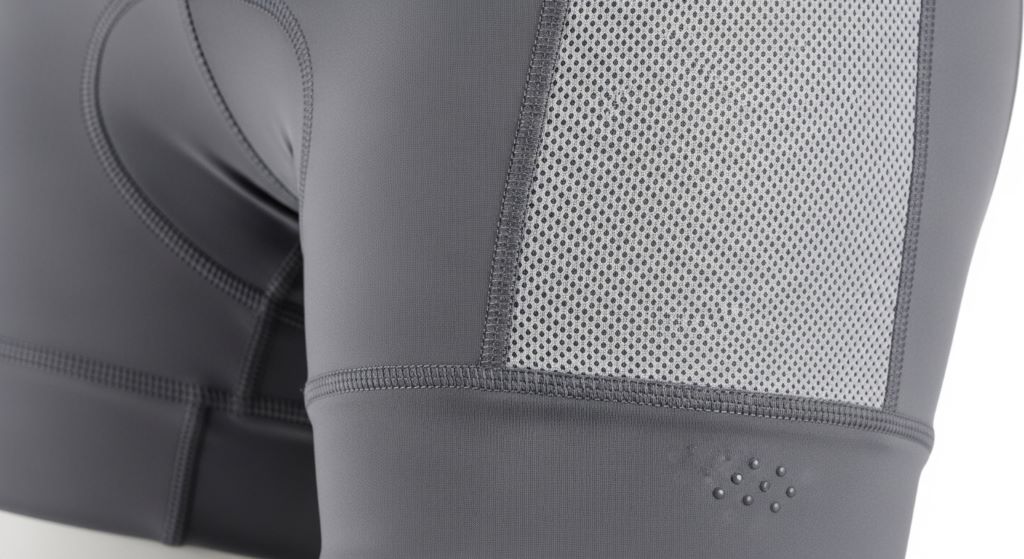
Common moisture-wicking materials include polyester, nylon, and spandex blends. These synthetic fabrics are lightweight and breathable. They dry much faster than cotton, which tends to absorb and hold moisture. Additionally, many high-quality shorts now combine these materials with mesh panels that allow extra airflow in key areas.
The Problem with Cotton
Cotton may feel soft and comfortable at first. However, it is not a suitable choice for summer cycling. Cotton soaks up sweat and holds it close to your skin. As a result, the fabric becomes heavy and wet. This increases the risk of chafing and can make you feel hotter rather than cooler. Always avoid cotton when choosing summer cycling gear women need most.
Understanding Breathability in Cycling Shorts
Breathability refers to how well a fabric allows air to pass through it. A breathable fabric lets heat escape from your body while also allowing cool air to reach your skin. This two-way airflow is essential for staying comfortable during long rides in the sun.
Look for shorts that feature open-knit or mesh panels along the inner thighs and back of the legs. These panels provide direct ventilation where your body generates the most heat. Some brands also use perforated fabrics, which have tiny holes that improve airflow without weakening the material.
Additionally, pay attention to the thickness of the fabric. Thinner fabrics are generally more breathable. However, they must still be durable enough to withstand the friction of long rides. A good pair of breathable shorts strikes the right balance between airflow and durability.
Choosing the Right Chamois Pad for Summer
The chamois pad, also called the padding or seat pad, is the cushioned insert inside the shorts. It protects your sit bones and reduces pressure during long rides. However, not all chamois pads are equal, especially when it comes to hot weather performance.
In summer, a thinner chamois pad is often better than a thick one. Thick padding can trap heat and moisture in the saddle area, which leads to discomfort. A thinner pad allows more airflow. It also tends to feel more natural and flexible.
Look for pads made from open-cell foam or gel-infused foam. These materials allow air to flow through them more easily. Many summer cycling shorts also feature antibacterial chamois, which helps control odor during hot rides. Therefore, always check the chamois material before you buy.
Seamless vs. Standard Chamois
Seamless chamois pads are designed without stitching along the edges. This reduces friction against your skin. In hot weather, sweat can make even small seams feel rough and irritating. A seamless design is therefore a wise choice for summer rides. Standard chamois pads can work well too, but make sure the edges are flat and smooth.
The Importance of a Proper Fit
Fit is just as important as fabric. A poorly fitting pair of shorts can cause friction and discomfort, no matter how good the material is. The right fit depends on your body type, your preferred riding position, and the length of your rides.
Cycling shorts should feel snug but not tight. They need to stay in place while you pedal without bunching or sliding down. If the shorts are too loose, they will rub against your skin and create hot spots. If they are too tight, they can restrict blood flow and feel uncomfortable in the heat.
Pay close attention to the waistband. A wide, flat waistband tends to sit more comfortably in hot weather than a narrow one. It distributes pressure more evenly and is less likely to dig into your skin. Some shorts also include silicone grippers at the leg openings, which help keep the shorts in place without adding bulk.
Short Length Options
Cycling shorts come in different lengths. Shorter styles, such as those ending mid-thigh, expose more skin to airflow. This can help you feel cooler. Longer styles provide more coverage and can reduce sunburn on your thighs. The best choice depends on your personal preference and how much sun protection you need. Either way, choose a length that allows full freedom of movement when pedaling.
Key Features to Look for in Summer Cycling Shorts
When shopping for breathable summer cycling gear women will love, keep these features in mind:
- UPF sun protection rating: Some fabrics block ultraviolet rays, which is a helpful bonus on sunny rides.
- Four-way stretch: This allows the shorts to move with your body in all directions without resistance.
- Flatlock seams: These lay flat against the skin and reduce chafing during long rides.
- Antibacterial treatment: This helps control odor when you sweat heavily in warm temperatures.
- Quick-dry finish: Shorts that dry rapidly keep you comfortable even when the pace is intense.
Additionally, light colors can make a difference in the heat. Dark fabrics absorb more sunlight, which can raise the temperature around your legs. Light gray, white, or pale blue shorts reflect sunlight more effectively and can feel noticeably cooler on very hot days.
Bib Shorts vs. Regular Shorts for Hot Weather
Bib shorts have shoulder straps that hold the shorts in place without a waistband. Regular shorts use an elastic waistband instead. Both styles have advantages in summer riding.
Bib shorts tend to stay in position better during long rides, which reduces bunching and chafing. However, the shoulder straps can feel warm in very hot weather. Some women also find bibs less convenient when making a quick stop.
Regular shorts, on the other hand, are easier to put on and take off. They allow more ventilation around the core. However, the waistband can dig in or slide during a hard effort. Therefore, the best choice really depends on how long you ride and your personal comfort preferences.
How to Care for Your Cycling Shorts
Proper care extends the life of your shorts and keeps them performing well. After every ride, wash your shorts promptly. Sweat and bacteria can break down fabric and chamois materials if left to sit. Use a gentle, sport-specific detergent and wash in cold water.
Avoid using fabric softener on cycling shorts. Fabric softener coats the fibers and can reduce the moisture-wicking ability of the material. This is particularly important for maintaining the performance of moisture-wicking bike shorts over many seasons.
Air dry your shorts whenever possible. High heat from a dryer can damage elastane fibers and shrink the fabric. Lay them flat or hang them in a shaded, well-ventilated area. Your shorts will last longer and keep their shape better with air drying.
Budget vs. Premium Shorts: What Is the Difference?
It can be tempting to save money on cycling shorts, especially when you are just starting out. However, there is a noticeable difference between budget and premium options when it comes to summer riding.
Budget shorts often use lower-grade fabrics that do not wick moisture as effectively. They may also have thicker, less breathable chamois pads. Over time, the materials can pill, stretch out, or lose their elasticity faster.
Premium shorts use advanced fabric technologies that genuinely keep you cooler and drier. They tend to have better-designed chamois pads, flatter seams, and more precise fits. If you ride regularly during summer, investing in a quality pair is well worth it. You will feel the difference after just one long ride.
Conclusion
Choosing the right cycling shorts for hot weather does not have to be complicated. Start with the fabric. Look for breathable, moisture-wicking materials such as polyester and nylon blends. Avoid cotton at all costs. Next, consider the chamois pad and opt for a thinner, breathable option with seamless edges. Fit matters greatly too, so choose shorts that are snug, stay in place, and allow full movement.
Additionally, look for features like UPF protection, flatlock seams, four-way stretch, and antibacterial treatment. Decide whether bib shorts or regular shorts suit your riding style better. Finally, care for your shorts properly so they last through many seasons of summer riding.
With the right pair of shorts, you can stay cool, dry, and comfortable no matter how hot it gets. Happy riding!
Frequently Asked Questions
1. What is the best fabric for women’s cycling shorts in summer?
The best fabrics are polyester, nylon, and spandex blends. These synthetic materials are lightweight, breathable, and dry quickly. They wick sweat away from the skin, which keeps you cooler and more comfortable during hot rides. Avoid cotton, as it absorbs moisture and holds it against your skin.
2. How thick should the chamois pad be for summer cycling?
For summer rides, a thinner chamois pad is generally better. Thick pads trap heat and moisture, which can cause discomfort. A thinner pad made from open-cell foam or gel-infused foam allows more airflow while still providing adequate cushioning for your sit bones.
3. Should I choose bib shorts or regular shorts for hot weather?
Both options can work well in summer. Regular shorts offer more ventilation around the core and are easier to manage during stops. Bib shorts stay in place better on long rides, which reduces chafing. If you ride for several hours at a time, bib shorts may be more comfortable. For casual or shorter rides, regular shorts are a practical choice.
4. How often should I wash my cycling shorts?
You should wash your cycling shorts after every ride. Sweat, bacteria, and chamois cream can break down fabric and padding if left to sit. Wash them promptly in cold water with a gentle sport-specific detergent. Avoid fabric softener and air dry them to preserve the fabric’s performance qualities.
5. Do I need chamois cream in summer?
Chamois cream can be very helpful in summer, especially on long rides. Heat and sweat increase friction between your skin and the chamois pad. Applying a small amount of chamois cream reduces this friction and helps prevent saddle sores. Many cyclists find it makes a significant difference in comfort during warm-weather riding.
Related Topics:
How to Decide if a Hitch Mounted Bike Rack Is Better Than Roof Racks
How to Select Surf Shoes for Women That Improve Grip and Comfort