
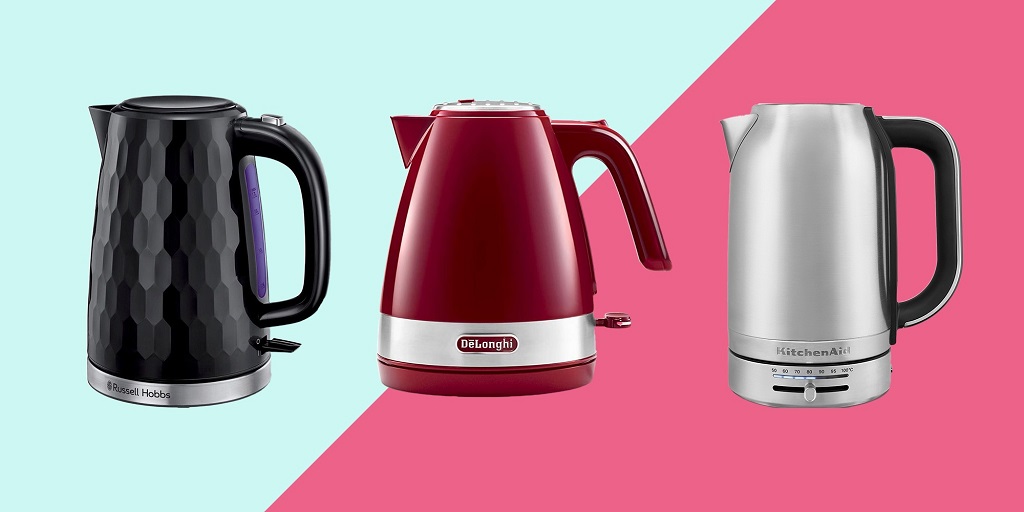
Temperature sensors in variable kettles have revolutionized how we brew coffee, tea, and other beverages. But how accurate are these sensors? Do they really deliver the precision they promise, or is it all just clever marketing? In this article, we’ll dive deep into the mechanics, science, and user experiences of these devices to uncover the truth. Plus, we’ll explore Firstgradeappliances for top-quality appliances and maintenance tips.
Understanding the Role of Temperature Sensors in Variable Kettles
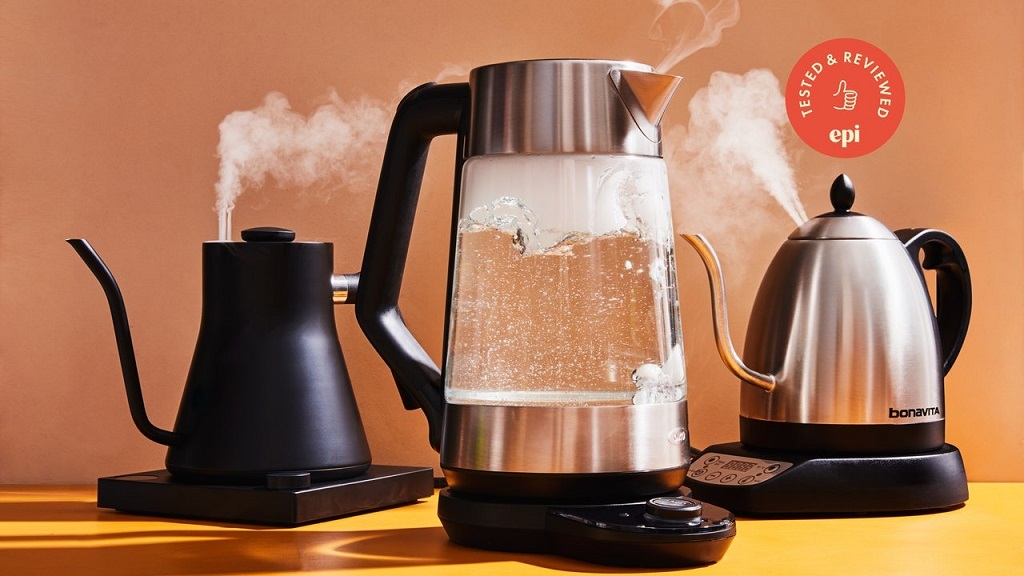
The cornerstone of a variable kettle is its ability to heat water to specific temperatures. This capability is critical for enthusiasts who know that brewing green tea at 170°F differs drastically from steeping black tea at 212°F. The accuracy of temperature sensors determines how well the kettle performs this task.
How Temperature Sensors Work in Variable Kettles
Variable kettles employ thermistors or thermocouples as their temperature sensors. These components measure temperature changes by detecting electrical resistance shifts. A built-in microcontroller interprets these shifts to maintain the desired temperature.
- Thermistors: These are cost-effective but may have slight inaccuracies due to environmental interference.
- Thermocouples: More precise and durable, often used in high-end kettles.
Read More Also:
What Impacts Sensor Accuracy?
Several factors affect how accurately a variable kettle can measure and maintain temperatures:
- Quality of Materials
Premium kettles often feature robust sensors that maintain accuracy over time. Cheaper alternatives may compromise precision due to less reliable components.
- Calibration
Many kettles are pre-calibrated during manufacturing. However, improper calibration can lead to deviations of up to ±5°F, which can impact the brewing process.
- Heat Loss Through the Kettle Body
Heat can escape through the kettle’s lid or walls, forcing the sensor to work harder to maintain temperature stability. This is particularly evident in plastic or single-layer kettles.
How Accurate Are These Sensors in Reality?
Studies show that high-quality variable kettles can maintain temperature accuracy within a range of ±1°F. For instance, popular brands like Breville and Fellow consistently rank high in consumer reviews for delivering precise results. However, budget kettles may deviate by ±5°F or more.
Read More Also: How to Prevent Damage to Snap-on Torque Wrench: Expert Tips and Insights
Practical Tests and User Experiences
- Scientific Reviews: Tests conducted by TechRadar revealed that top-tier kettles maintain temperatures within 1-2°F of their target.
- User Feedback: Many users report noticeable discrepancies in cheaper models, with some kettles failing to hold a steady temperature for more than a minute.
Why Accuracy Matters
Precision is crucial for flavor extraction. For example:
- Brewing coffee at 200°F ensures optimal extraction of oils and flavors.
- Green tea brewed at higher-than-recommended temperatures can taste bitter and astringent.
Maintenance Tips to Enhance Sensor Longevity
Proper care can extend the life of your kettle and improve sensor reliability:
- Descale regularly using natural solutions like vinegar.
- Avoid overfilling to prevent overheating the sensors.
- Consult guides on how to wash electric kettle for thorough cleaning tips.
For reliable appliances and detailed maintenance tips, be sure to clock on https://firstgradeappliances.com/how-to-clean-electric-kettle/.
Best Practices for Choosing a Reliable Variable Kettle
When selecting a variable kettle:
- Look for brands with positive reviews regarding temperature accuracy.
- Opt for kettles featuring insulated designs to minimize heat loss.
- Check for features like manual calibration to fine-tune accuracy.
Emerging Technologies in Temperature Sensors
The future of temperature sensors includes advanced AI integration, ensuring even more precise measurements. Some models already use app-controlled systems for real-time adjustments, giving users unparalleled control.
FAQs
How do I test the accuracy of my variable kettle?
Use a reliable digital thermometer to compare the actual water temperature against the kettle’s display.
What causes temperature discrepancies in kettles?
Factors like poor calibration, environmental interference, and heat loss can contribute to inaccuracies.
Can I recalibrate my kettle?
Some high-end models offer manual calibration options, but not all kettles have this feature.
Why does my kettle’s temperature drop after reaching the set point?
This could be due to poor insulation or sensor lag. Consider upgrading to a better-insulated model.
Are budget variable kettles worth it?
While affordable, budget models often compromise on sensor quality, leading to less precise temperature control.
How often should I clean my kettle?
Regular cleaning, especially descaling, every 2-4 weeks can maintain optimal sensor performance.
Accurate temperature sensors in variable kettles are essential for precise brewing. By understanding how these sensors work and maintaining them properly, you can enhance your beverage experience.