
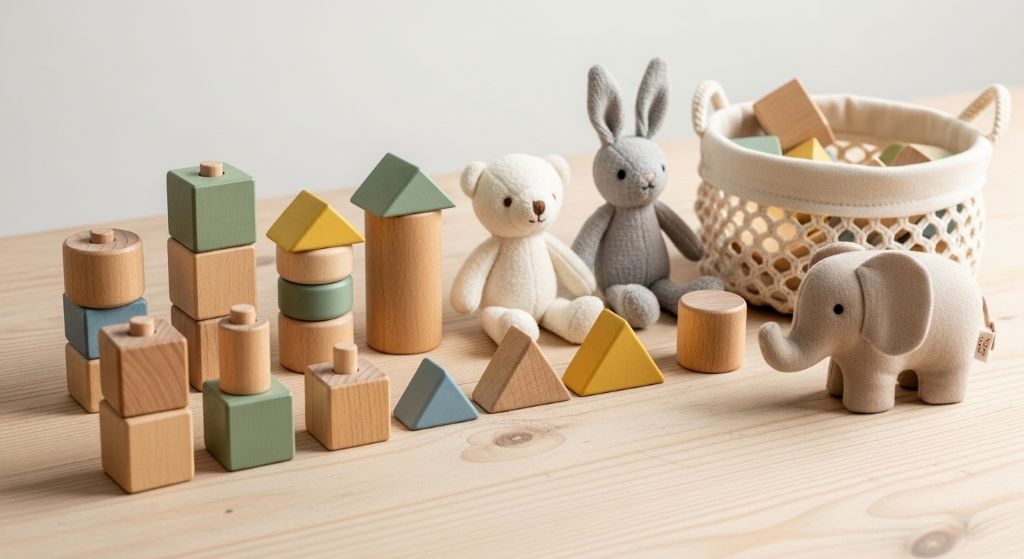
Shopping for children should be a joyful experience, but concerns about harmful substances in products can make it stressful. Parents and gift-givers increasingly worry about what goes into the items children touch, play with, and sometimes put in their mouths. Understanding how to identify safe options helps you make confident choices that protect children’s health.
The toy industry has made significant progress in recent years, yet challenges remain. Some products still contain substances that could harm developing bodies. However, armed with the right knowledge, you can navigate the marketplace and select gifts that are both delightful and safe.
This comprehensive guide will help you understand what to look for, what to avoid, and how to make informed decisions when selecting presents for the children in your life.
Understanding Why Safety Matters
Children interact with their world differently than adults do. They explore through touch, taste, and prolonged contact with objects. Their bodies are still developing, making them more vulnerable to harmful substances.
Young children frequently put toys in their mouths. This natural behavior means anything they play with could potentially enter their bodies. Additionally, children have faster metabolisms and developing organ systems that process chemicals differently than mature bodies.
The concern extends beyond immediate toxicity. Some substances cause problems only after repeated exposure over time. These cumulative effects might not appear for years, making it crucial to minimize exposure from an early age.
Furthermore, children spend more time playing than adults realize. A child might interact with the same toy for hours daily over several years. This extended contact increases exposure to any substances present in the materials.
Common Harmful Substances to Avoid
Several substances appear frequently in children’s products despite known health concerns. Learning to recognize and avoid these helps you choose safer options.
Lead remains one of the most serious concerns. This heavy metal affects brain development and can cause learning difficulties, behavioral problems, and other health issues. Lead sometimes appears in paint, especially on older toys or imported items that don’t meet current safety standards.
Phthalates are chemicals used to make plastics soft and flexible. They’re found in many vinyl toys, inflatable items, and products with that distinctive plastic smell. Research links phthalates to hormone disruption and developmental problems.
BPA, or bisphenol A, is another hormone-disrupting chemical once common in plastics. While many manufacturers have removed it, some products still contain BPA or related compounds like BPS and BPF, which may pose similar risks.
Flame retardants appear in fabrics, foam padding, and plastic electronics. These chemicals accumulate in bodies over time and have been associated with various health concerns including thyroid problems and developmental delays.
Formaldehyde, used in some pressed wood products and fabric finishes, can irritate eyes, nose, and throat. It’s also classified as a carcinogen with long-term exposure.
Heavy metals beyond lead, such as cadmium and mercury, occasionally appear in jewelry, painted surfaces, and electronic components. These substances pose serious health risks even in small amounts.
Reading Labels and Certifications
Understanding product labels helps you quickly identify safer options. However, not all labels mean what you might think they mean.
Look for third-party certifications from independent organizations. These seals indicate products have undergone testing beyond basic legal requirements. The ASTM F963 certification shows a toy meets American safety standards, though this addresses mainly physical hazards rather than chemical content.
The CPSIA (Consumer Product Safety Improvement Act) compliance indicates products meet federal limits for lead and phthalates. While this is baseline protection, it doesn’t guarantee complete safety from all harmful substances.
European CE marking indicates compliance with European safety standards, which are often stricter than American requirements. However, be aware that counterfeit CE marks exist on some imported products.
Third-party certifications like GREENGUARD verify low chemical emissions. This certification is particularly valuable for items like furniture, mattresses, and room décor that children will be around constantly.
The OEKO-TEX Standard 100 certification applies to textiles and indicates testing for harmful substances. This independent verification provides reassurance about fabric safety.
Natural or organic certifications like GOTS (Global Organic Textile Standard) for fabrics ensure materials were grown and processed without harmful chemicals. These certifications are particularly relevant for clothing and fabric toys.
Choosing Safe Materials
The materials used in gifts significantly impact their safety profile. Natural materials generally pose fewer risks than synthetic alternatives, though quality and sourcing still matter.
Solid wood toys without paint or finish offer excellent safety. Wood is naturally antibacterial and doesn’t contain synthetic chemicals. Look for sustainably harvested wood and avoid treated lumber that might contain preservatives.
Organic cotton and wool provide safe options for stuffed animals, dolls, and fabric items. These natural fibers breathe well and don’t require the chemical treatments often applied to conventional fabrics.
Food-grade silicone has become popular for teething toys and bath items. This material withstands high temperatures, resists bacteria, and doesn’t leach chemicals. Ensure products specifically state they’re made from food-grade or medical-grade silicone.
Natural rubber offers a safer alternative to synthetic rubber and vinyl. It’s flexible, durable, and biodegradable. However, check that children don’t have latex allergies before choosing rubber items.
Stainless steel works well for dishes, water bottles, and some building toys. This material is extremely durable, doesn’t leach chemicals, and can be safely sterilized.
Beeswax crayons and natural dyes provide safer art supplies. These alternatives to petroleum-based products let children create without exposure to unnecessary chemicals.
Age-Appropriate Safety Considerations
Different ages require different safety considerations. What’s safe for a ten-year-old might pose risks for a toddler.
Infants and babies explore everything by mouth. Therefore, choose chemical-free toys made from materials safe enough to eat. Avoid small parts, loose components, and anything painted. Natural rubber teethers, organic cotton loveys, and solid wood rattles make excellent choices.
Toddlers continue mouthing objects while becoming more active and curious. They need durable items that withstand rough play and frequent washing. Focus on simple, well-made toys without small parts that could break off.
Preschoolers engage in more imaginative play and art activities. Safe kids presents for this age include non-toxic art supplies, dress-up clothes made from natural fabrics, and building toys from safe materials. Avoid sets with small accessories that younger siblings might access.
School-age children can handle more complex items but still benefit from non-toxic choices. Consider their interests while maintaining safety standards. Electronics should meet safety certifications, and craft supplies should be clearly labeled non-toxic.
Teenagers might seem less vulnerable, but they still benefit from safer products. Personal care items, room décor, and tech accessories can all contain harmful substances. Choose products made by responsible manufacturers who prioritize safety.

Where to Shop for Safer Options
Where you shop significantly affects the safety of products available. Some retailers prioritize safety more than others.
Specialty stores focusing on natural or organic products typically curate their selections carefully. These shops often stock items meeting higher safety standards than mainstream retailers require.
Online retailers specializing in safe children’s products provide detailed information about materials, certifications, and manufacturing practices. Many include customer reviews that mention safety concerns or benefits.
Direct purchases from small manufacturers allow you to ask specific questions about materials and production methods. Many artisans take pride in creating safe products and will gladly share details about their processes.
Farmer’s markets and craft fairs connect you with local makers who often use natural, safe materials. You can see and touch products before buying and talk directly with creators.
However, exercise caution with discount stores and online marketplaces selling extremely cheap items. These products may not meet safety standards and could contain harmful substances. Rock-bottom prices often indicate corners cut somewhere in production.
Questions to Ask Before Purchasing
Developing a mental checklist helps you evaluate potential gifts quickly. Ask yourself these questions before making a purchase.
What is this made from? Understanding the base materials gives immediate insight into potential safety concerns. Natural materials generally pose fewer risks than synthetic alternatives.
Where was it manufactured? Products made in countries with strict safety regulations typically meet higher standards. However, some imported items also maintain excellent safety records.
Does it have any smell? A strong chemical or plastic odor often indicates off-gassing of potentially harmful substances. Safe products should have minimal or no odor.
Are there any small parts that could break off? Even if a toy is marketed for older children, consider whether younger siblings might access it.
How will it be cleaned? Items that can’t be washed may harbor bacteria or continue releasing chemicals. Choose products that withstand regular cleaning.
What certifications does it carry? Multiple third-party certifications provide more confidence than self-declarations or single certifications.
Making Safe Choices on a Budget
Safety shouldn’t be a luxury, yet safer products sometimes cost more. Fortunately, you can find affordable options with some strategic thinking.
Prioritize purchases based on risk level. Items children will mouth, sleep with, or use for extended periods deserve the highest safety standards. Occasional-use items might allow more flexibility.
Consider fewer, higher-quality items rather than many cheap toys. One well-made wooden puzzle provides more value and safety than several plastic alternatives.
Look for sales and secondhand options carefully. Vintage or used wooden toys often cost less than new plastic ones. However, verify that used items meet current safety standards and haven’t been recalled.
Make homemade gifts using safe materials. Fabric dolls sewn from organic cotton, wooden cars crafted from untreated lumber, or playdough made from kitchen ingredients cost little but mean much.
Ask relatives to contribute toward larger, safer items rather than receiving many small gifts. A quality wooden play kitchen might cost more upfront but lasts for years and poses fewer safety concerns than multiple plastic toys.
Join buying groups or cooperatives focused on natural parenting. These communities often negotiate group discounts on safer products.
Red Flags to Watch For
Certain warning signs should prompt you to reconsider a purchase. Learning to recognize these flags protects children from potential harm.
Unusually low prices for branded items often indicate counterfeits that may not meet safety standards. If a deal seems too good to be true, it probably is.
Missing or unclear labeling suggests a manufacturer isn’t transparent about their products. Reputable companies provide detailed information about materials and safety testing.
Products that feel sticky, oily, or leave residue on hands may be breaking down and releasing chemicals. Quality items should feel clean and stable.
Intense artificial fragrances in toys indicate unnecessary chemical additives. Safe children’s products shouldn’t require artificial scents to be appealing.
Packaging that seems excessive or contains strong warnings might indicate hazardous materials inside. While some warnings are legally required, multiple serious warnings suggest reconsidering the purchase.
Reviews mentioning chemical smells, skin reactions, or quality issues deserve attention. Multiple similar complaints indicate a pattern rather than an isolated incident.
Teaching Children About Safety
Involving age-appropriate children in safety conversations helps them make better choices as they grow.
Explain why you choose certain products without creating fear. Simple statements like “We pick toys made from wood and cotton because they’re healthier” provide information without anxiety.
Let older children help research products. Teaching them to read labels and look for certifications builds valuable skills for life.
Encourage them to notice how products smell, feel, and hold up over time. These observations develop their own safety awareness.
Model careful consideration when shopping rather than impulse buying. Children learn by watching your thoughtful decision-making process.
Caring for Safe Products Properly
Proper care extends the life of safe products and maintains their safety profile.
Wash new items before first use, even if labeled safe. This removes dust, manufacturing residue, and any surface chemicals.
Follow care instructions carefully. Items designed to be hand-washed shouldn’t go in machines, as this could damage protective finishes or coatings.
Store toys properly to prevent degradation. Excessive heat, moisture, or sun exposure can cause materials to break down and potentially release substances.
Inspect items regularly for wear and tear. Remove damaged toys from circulation, as broken items may expose children to internal materials not intended for contact.
Conclusion
Choosing non-toxic gifts for children requires awareness, patience, and sometimes extra effort. However, the investment in children’s health and safety makes this worthwhile. By understanding which substances to avoid, learning to read labels and certifications, and selecting products made from safe materials, you can confidently choose chemical-free toys and safe kids presents.
Remember that perfection isn’t the goal. Making informed choices most of the time significantly reduces children’s exposure to harmful substances. Start with items children use most frequently or put in their mouths, then gradually apply these principles to other purchases.
The marketplace continues improving as more consumers demand safer products. Your purchasing decisions send powerful messages to manufacturers about what matters. Each safe choice you make contributes to a healthier environment for all children.
Stay informed about recalls and safety updates. Continue learning about new materials and certifications. Share your knowledge with other caregivers to help protect more children. Together, we can create a safer world where children play, grow, and thrive without unnecessary exposure to harmful substances.
Frequently Asked Questions
Are all toys sold in stores automatically safe for children?
No, not all store-bought toys meet the highest safety standards. While products must meet basic legal requirements in most countries, these standards don’t eliminate all potentially harmful substances. Additionally, counterfeit or imported items may not comply with local regulations. Always research products and look for third-party certifications rather than assuming store presence guarantees safety.
How can I tell if a plastic toy contains harmful chemicals?
Check for recycling codes on the bottom. Avoid plastics marked with number 3 (PVC, which often contains phthalates) and number 7 (which may contain BPA). Look for products specifically labeled “BPA-free” and “phthalate-free.” A strong plastic smell often indicates chemical off-gassing. Choose products from manufacturers who provide detailed material information and hold relevant safety certifications.
Are expensive toys always safer than budget options?
Price doesn’t automatically guarantee safety, though higher-quality items often use better materials and manufacturing processes. Some expensive toys still contain harmful substances, while some affordable options meet excellent safety standards. Focus on materials, certifications, and manufacturer reputation rather than price alone. Research specific products regardless of cost.
Can I safely give secondhand toys as gifts?
You can give used toys safely if you take proper precautions. Research the specific toy model to ensure it hasn’t been recalled and meets current safety standards. Avoid items made before 2008 when stricter regulations took effect. Inspect thoroughly for damage, missing pieces, or deterioration. Clean items completely before gifting. Stick to simple wooden or metal toys rather than complex plastic items when buying secondhand.
What should I do if a toy I already bought turns out to be unsafe?
Stop using the toy immediately and keep it away from children. Check if it’s been recalled by searching the Consumer Product Safety Commission database. Contact the retailer for a refund if possible. Report safety concerns to regulatory authorities to help protect other children. Don’t donate or resell unsafe items. Learn from the experience to inform future purchases.
Related Topics:
Chicago Gift Ideas for Kids: Seasonal Trends
What Gift Did the Germans Have for the Prisoners for the New Year?