

Native yeast fermentation represents one of the most authentic approaches to winemaking. This traditional method allows grapes to ferment using only the wild yeasts naturally present in the vineyard and winery. Unlike commercial winemaking that relies on lab-cultured yeasts, native fermentation celebrates the unique microbial ecosystem of each vineyard. Wineries like Beresan Wines have embraced this practice to create wines that truly express their terroir.
The process begins in the vineyard itself. Wild yeasts live on grape skins, in the soil, and throughout the winery environment. When grapes are crushed, these microorganisms begin converting sugars into alcohol naturally. This approach requires patience and careful monitoring. However, it produces wines with distinctive characteristics that reflect their origin.
Native yeast fermentation has gained significant attention as part of the broader wine trends 2025 movement. More consumers seek authentic, minimally-manipulated wines. Therefore, winemakers increasingly explore traditional techniques that showcase regional character. This trend aligns with growing interest in natural and organic wine production methods.
Understanding Wild Yeasts in Winemaking
Wild yeasts differ significantly from commercial strains. Commercial yeasts are selected for predictable performance and specific flavor profiles. They ensure consistent fermentation with minimal risk. Conversely, wild yeasts create more complex fermentation patterns.
Multiple yeast species participate in native fermentation. Initially, non-Saccharomyces yeasts dominate the process. These include genera like Hanseniaspora, Candida, and Pichia. As alcohol levels rise, Saccharomyces cerevisiae eventually takes over. This sequential fermentation creates layered flavors impossible to achieve with single-strain commercial yeasts.
Each vineyard hosts unique yeast populations. Geographic location, climate, grape varieties, and viticultural practices all influence which microorganisms thrive. Additionally, older wineries often harbor established yeast communities in barrel rooms and equipment. These “house yeasts” contribute to consistent winery character across vintages.
The Benefits of Native Fermentation
Native yeast fermentation offers several advantages for quality-focused winemakers. First, it enhances terroir expression. The wines capture microbial fingerprints specific to their origin. This creates distinctive regional styles that commercial yeasts cannot replicate.
Furthermore, native fermentation typically produces more complex aromatics. The diverse yeast population generates varied aromatic compounds. Wine drinkers often describe these wines as having greater depth and interest. Flavor profiles tend to be less predictable but more nuanced.
The method also appeals to sustainability-minded producers. It eliminates dependence on manufactured inputs. This aligns with organic and biodynamic farming philosophies. Many natural wine advocates consider native fermentation essential for authentic winemaking.
Moreover, native fermentation can enhance wine texture. The slower, cooler fermentation often associated with wild yeasts contributes to fuller mouthfeel. Some research suggests these wines may have better aging potential due to different chemical compositions.
The Challenges and Risks
Despite its benefits, native fermentation presents significant challenges. The primary concern is unpredictability. Wild yeasts ferment more slowly than commercial strains. Fermentation may last weeks longer than conventional methods. This extended timeline ties up tank space and requires careful monitoring.
Temperature management becomes crucial. Wild yeasts often work best at cooler temperatures. Winemakers must maintain stable conditions to prevent stuck fermentations. A stuck fermentation occurs when yeasts stop working before converting all sugars. This results in unstable wine requiring intervention.
Additionally, native fermentation carries quality risks. Undesirable microorganisms might produce off-flavors. Volatile acidity can rise if acetobacter bacteria proliferate. Brettanomyces, while appreciated in small amounts by some, can overwhelm wine character. Experienced winemakers learn to identify and manage these risks.
The technique demands greater expertise than conventional methods. Winemakers must understand microbiology and fermentation dynamics. They need to recognize warning signs and know when intervention is necessary. Therefore, native fermentation suits skilled professionals better than beginners.
How Native Fermentation Impacts Wine Character
Wines made with native yeasts exhibit distinctive characteristics. Aromatics often show greater complexity than commercial yeast wines. According to Wine Enthusiast, these wines frequently display savory notes, earthy undertones, and unconventional fruit expressions. The aromatic profile evolves unpredictably during fermentation.
Texture differences are equally notable. Native fermentation often produces wines with fuller body and rounder mouthfeel. The glycerol content may be higher, contributing to perceived richness. Tannin integration can differ as well, sometimes creating smoother tannin structures.
Flavor development follows a more gradual trajectory. While commercial yeasts work quickly and consistently, wild yeasts create extended fermentation curves. This slower process allows different flavor compounds to develop. The result is layered, evolving flavors rather than straightforward fruit-forward profiles.
However, consistency becomes challenging. Each vintage may express differently even from the same vineyard. Weather conditions affect yeast populations annually. This vintage variation appeals to consumers seeking authentic, site-specific wines. It challenges those expecting uniform products year after year.
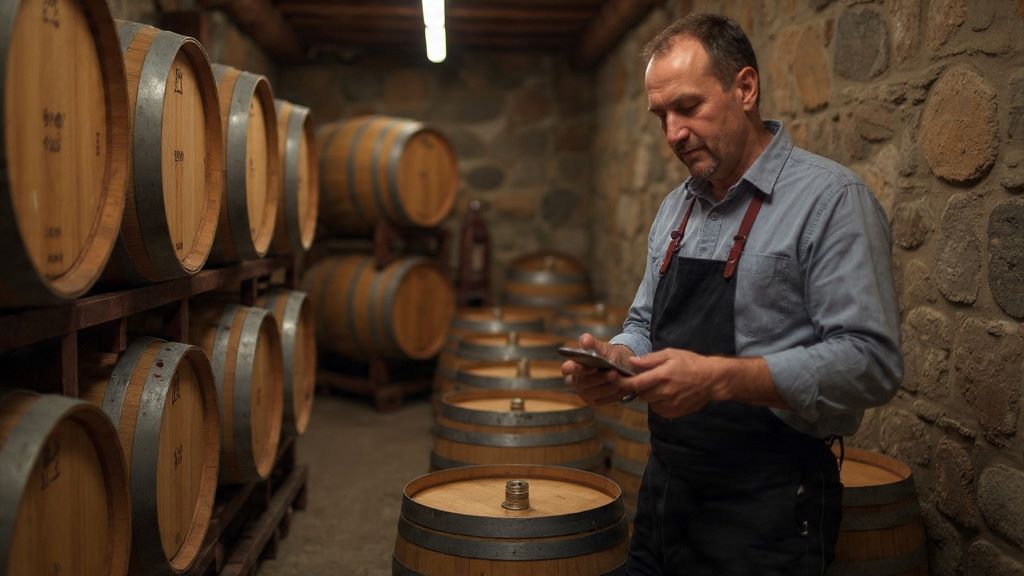
Native Fermentation in Modern Winemaking
Contemporary winemakers adopt various approaches to native fermentation. Some practice strict non-intervention, allowing fermentation to proceed entirely naturally. Others take a middle path, monitoring closely and intervening only if problems arise. A few use native yeasts for primary fermentation but add commercial strains if fermentation slows.
Regional traditions also influence practices. In Burgundy, France, native fermentation has been standard practice for generations. Many prestigious estates rely exclusively on ambient yeasts. Similarly, traditional producers in regions like Barolo and Rioja often use native fermentation.
The natural wine movement has accelerated interest in these methods. Natural wine producers typically reject commercial yeasts as unnecessary additives. They argue that native fermentation is essential for authentic expression. This philosophy has inspired conventional winemakers to experiment with wild yeasts.
Technology helps manage native fermentation risks. Modern temperature control systems maintain stable fermentation conditions. Laboratory analysis tracks fermentation progress and identifies potential problems. These tools allow winemakers to embrace tradition while managing risks effectively.
Is Native Yeast Fermentation Right for Every Wine?
Native fermentation suits certain wine styles better than others. Complex, age-worthy reds often benefit from wild yeast character. Wines intended for extended barrel aging can handle the additional complexity. Terroir-driven whites also showcase native fermentation advantages well.
Conversely, some wine styles require consistency that commercial yeasts provide. Entry-level wines produced in large quantities typically use selected yeasts. Certain aromatic varieties like Gewürztraminer or Viognier may lose varietal character with native fermentation. Winemakers must consider their goals and market expectations.
The decision also depends on winery resources. Native fermentation requires more time, attention, and expertise. Smaller producers can manage these demands more easily than large commercial operations. However, some major wineries successfully incorporate native fermentation into premium offerings while using commercial yeasts for volume wines.
Ultimately, native fermentation represents a philosophical choice as much as a technical one. It reflects commitment to terroir expression and traditional craftsmanship. As consumer interest in authentic, minimally-manipulated wines grows, more producers will likely explore this ancient technique.
Conclusion
Native yeast fermentation stands as one of winemaking’s most traditional yet increasingly relevant practices. This method allows wines to ferment using only wild yeasts naturally present in vineyards and wineries. While it presents challenges including unpredictability and extended fermentation times, the rewards include enhanced terroir expression, greater aromatic complexity, and distinctive wine character. As wine enthusiasts increasingly seek authentic, site-specific wines, native fermentation has emerged as a key element of contemporary winemaking philosophy. The technique demands expertise and patience but offers wines that truly reflect their origins. Whether you are a winemaker considering this approach or a consumer exploring new wine styles, understanding native fermentation opens doors to appreciating wine’s deepest connections to place and tradition.
Frequently Asked Questions
What is the difference between native yeast and commercial yeast?
Native yeasts are wild microorganisms naturally present in vineyards and wineries. Commercial yeasts are lab-cultured strains selected for specific characteristics. Native yeasts create more complex, unpredictable fermentations, while commercial yeasts offer consistency and reliability.
Does native yeast fermentation make wine taste better?
Better is subjective, but native fermentation typically produces more complex, layered flavors. These wines often show greater terroir expression and aromatic depth. However, they may lack the clean, fruit-forward character some consumers prefer. Quality depends on proper management and winemaking skill.
Is native yeast fermentation the same as natural wine?
Not exactly. While most natural wines use native fermentation, not all native fermentation wines are natural wines. Natural wine philosophy includes minimal intervention throughout the entire winemaking process, including no added sulfites and organic farming. Native fermentation is just one aspect of natural winemaking.
Can native fermentation go wrong?
Yes, native fermentation carries risks. Stuck fermentations can occur when yeasts stop working prematurely. Undesirable microorganisms might produce off-flavors or volatile acidity. However, experienced winemakers monitor fermentations carefully and know when to intervene to prevent problems.
Which wine regions are known for native yeast fermentation?
Traditional regions like Burgundy in France have used native fermentation for centuries. Other notable regions include Barolo in Italy, parts of Spain’s Rioja, and Oregon’s Willamette Valley. However, winemakers worldwide increasingly experiment with this technique across all major wine-producing areas.
Related Topics: