
Batch cooking saves time and money. However, it often creates leftover scraps and residue. Many home cooks throw these away without thinking. This practice adds unnecessary waste to landfills. Fortunately, you can transform cooking residue into valuable resources. Houston Bamboo House offers sustainable solutions for modern kitchens that help reduce environmental impact.
Every vegetable peel, bone, and herb stem holds potential. Therefore, learning to repurpose these materials benefits both your wallet and the planet. Additionally, reducing kitchen waste aligns with growing environmental awareness. More families now seek practical ways to minimize their carbon footprint.
Creating a zero waste kitchen starts with understanding what you discard daily. Batch cooking produces concentrated amounts of residue in single sessions. This concentration makes collection and repurposing easier than daily cooking scraps. Consequently, you can develop efficient systems for managing every byproduct.
Understanding Batch-Cooking Residue
Batch cooking generates specific types of waste. Vegetable trimmings form the largest category. These include peels, stems, roots, and wilted leaves. Protein preparation creates bones, fat, and skin. Herb bundles leave stems after you remove leaves. Grain cooking produces starchy water and hull fragments.
Each residue type offers unique possibilities. Moreover, recognizing their value changes how you view cooking waste. Instead of garbage, you see ingredients for future meals. This mindset shift proves essential for sustainable cooking practices.
Vegetable Scrap Stock
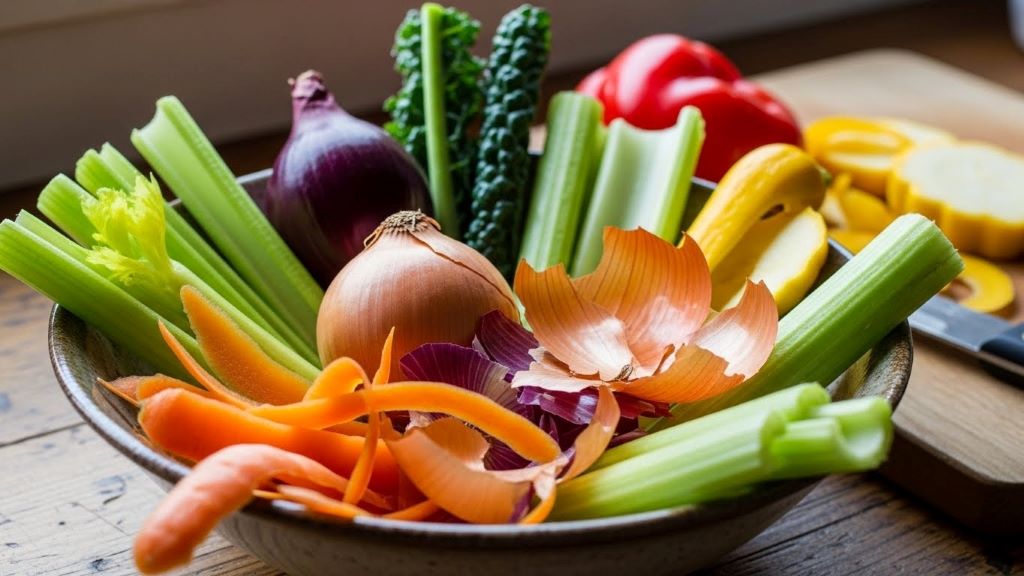
Vegetable scraps make excellent soup stock. Collect onion skins, carrot peels, and celery ends in freezer bags. Add mushroom stems, garlic skins, and pepper cores. When your bag fills up, simmer everything in water for two hours.
The resulting broth adds depth to soups and sauces. Furthermore, homemade stock contains no preservatives or excess sodium. Strain the liquid and freeze it in ice cube trays. These cubes provide convenient portions for cooking rice or steaming vegetables.
However, avoid cruciferous vegetable scraps in stock. Cabbage, broccoli, and cauliflower create bitter flavors when simmered too long. Therefore, use these scraps for composting instead.
Bone Broth From Meat Residue
Chicken, beef, and pork bones transform into nutrient-rich broth. Roast bones at 400 degrees for thirty minutes first. This step enhances flavor significantly. Then place bones in a slow cooker with water and vegetables.
Cook chicken bones for twelve hours. Beef and pork require twenty-four hours. The long cooking time extracts minerals like calcium and magnesium. Additionally, collagen from bones supports joint health. According to Harvard Health Publishing, bone broth provides easily digestible nutrients that support gut health.
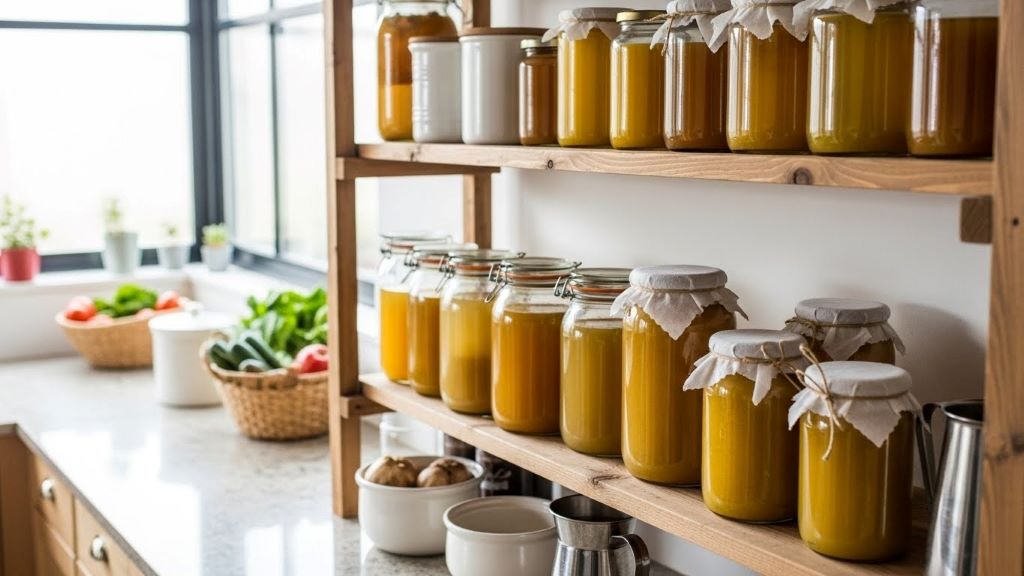
Strain the finished broth through cheesecloth. Store it in glass jars in the refrigerator for one week. Alternatively, freeze portions for three months. Use this broth as a base for gravies, stews, and risottos.
Herb Stem Pesto
Many cooks discard herb stems unnecessarily. Parsley, cilantro, and basil stems contain concentrated flavor. Blend these stems into vibrant pesto sauces. Combine two cups of herb stems with garlic, nuts, and olive oil.
Pulse everything in a food processor until smooth. Add grated cheese if desired. This pesto works beautifully on pasta, sandwiches, and roasted vegetables. Moreover, it freezes well in small containers.
Mint stems create refreshing tea when steeped in hot water. Thyme and rosemary stems infuse olive oil with aromatic flavors. Simply place clean stems in a bottle and cover with oil. Wait two weeks before using.
Potato Peel Chips
Potato peels become crispy snacks with minimal effort. Toss clean peels with olive oil and seasonings. Spread them on a baking sheet in a single layer. Bake at 400 degrees for fifteen to twenty minutes.
These chips satisfy cravings for crunchy foods. Additionally, potato skins contain fiber and potassium. Season them with paprika, garlic powder, or herbs. They taste delicious alone or with dips.
Sweet potato peels work equally well. They offer a slightly sweeter flavor profile. Both types provide an excellent alternative to store-bought chips.
Citrus Peel Applications
Orange, lemon, and lime peels serve multiple purposes. Dry them completely and grind them into powder. This citrus powder brightens baked goods and marinades. Alternatively, steep fresh peels in vinegar for two weeks.
The resulting cleaner cuts through grease naturally. It works effectively on countertops, stovetops, and bathroom surfaces. Furthermore, citrus peels infuse simple syrup with bright flavors. Simmer equal parts sugar and water with peels for ten minutes.
Candied citrus peels make elegant dessert garnishes. Boil peels three times in fresh water to remove bitterness. Then simmer them in sugar syrup until translucent. Dry them on parchment paper overnight.
Starchy Cooking Water
Water used for cooking pasta, potatoes, or beans contains valuable starches. This liquid thickens sauces naturally without adding flour. Reserve a cup before draining your batch-cooked grains.
Add pasta water gradually to sauces while stirring. The starch helps emulsify oil and water-based ingredients. Additionally, it adjusts consistency without diluting flavors. Bean cooking liquid works similarly in soups and stews.
Some people use pasta water to water houseplants. However, ensure it contains no salt first. The nutrients benefit plant growth when used sparingly.
Bread From Vegetable Pulp
Juicing vegetables leaves behind fibrous pulp. This pulp adds moisture and nutrition to bread recipes. Replace up to one cup of flour with dried vegetable pulp. Carrot, beet, and spinach pulp work particularly well.
The bread gains subtle sweetness and vibrant color. Moreover, it stays moist longer than traditional recipes. Experiment with different vegetables to find your favorite combinations. This technique works in muffins and pancakes too.
Dry excess pulp in a low oven or dehydrator. Store the dried pulp in airtight containers. Grind it into flour for maximum versatility in recipes.
Fat Rendering For Cooking
Animal fat from batch cooking becomes cooking oil when rendered properly. Trim fat from meat before cooking. Cut it into small pieces and heat slowly in a heavy pan.
The fat melts and separates from solid pieces. Strain the liquid fat through cheesecloth into jars. Beef tallow and pork lard store well at room temperature. They provide excellent flavor for roasting vegetables and frying eggs.
Duck fat particularly enhances potato dishes. Therefore, save every drop when preparing poultry. These rendered fats contain no trans fats unlike many commercial alternatives.
Composting Remaining Scraps
Not every scrap works for cooking applications. These items belong in compost bins instead. Coffee grounds, tea bags, and eggshells break down quickly. They enrich soil with nitrogen and minerals.
Layer brown materials like dried leaves with green kitchen scraps. This balance prevents odors and speeds decomposition. Turn your compost pile weekly for best results. According to the Environmental Protection Agency, composting reduces methane emissions from landfills while creating valuable soil amendments.
Finished compost improves garden soil structure. It helps plants retain moisture during dry periods. Additionally, it reduces the need for chemical fertilizers. Your vegetable scraps literally feed next season’s crops.
Creating a Residue Management System
Successful zero waste practices require organization. Keep separate containers for different scrap types. Label them clearly to avoid confusion. Store vegetable scraps in the freezer until you accumulate enough for stock.
Dedicate specific days for processing residue. Perhaps make stock every Sunday or render fat monthly. Regular schedules prevent overwhelm and ensure nothing spoils. Moreover, routines make sustainable practices feel automatic over time.
Involve family members in the process. Children learn valuable lessons about reducing waste. They develop appreciation for resources when they see scraps transformed. Therefore, make it a shared household responsibility.
Conclusion
Zero waste batch cooking transforms kitchen residue into valuable resources. Vegetable scraps become flavorful stocks. Bones create nutrient-dense broths. Herb stems form delicious pestos. Even potato peels turn into satisfying snacks.
These practices reduce landfill waste significantly. They also save money on groceries and cleaning supplies. Additionally, homemade products contain no unnecessary additives or preservatives. Starting small with one or two techniques builds confidence over time.
Every cook can adopt these methods regardless of experience level. The environmental and financial benefits make the effort worthwhile. Therefore, examine your cooking residue with fresh perspective. Transform what you once discarded into nourishing, useful products.
Frequently Asked Questions
How long can I store vegetable scraps before making stock?
Vegetable scraps stay fresh in the freezer for three to six months. Store them in sealed bags or containers to prevent freezer burn. Add scraps continuously until you have enough to make stock.
Which bones work best for making broth?
Chicken feet, beef knuckles, and pork hocks contain the most collagen. These bones create thick, gelatinous broth when cooked. Mix different bone types for complex flavors.
Can I compost meat scraps and bones?
Home composting systems should avoid meat and bones. These items attract pests and decompose slowly. However, municipal composting facilities often accept them. Check your local guidelines.
How do I prevent my stock from tasting bitter?
Avoid over-simmering vegetable stock beyond two hours. Remove any moldy or rotten scraps before cooking. Skip cruciferous vegetables like cabbage and broccoli entirely.
What containers work best for storing rendered fat?
Glass jars with tight lids protect rendered fat from light and air. Mason jars work perfectly. Keep them in cool, dark places. Refrigeration extends shelf life to six months.
Relate Topics: